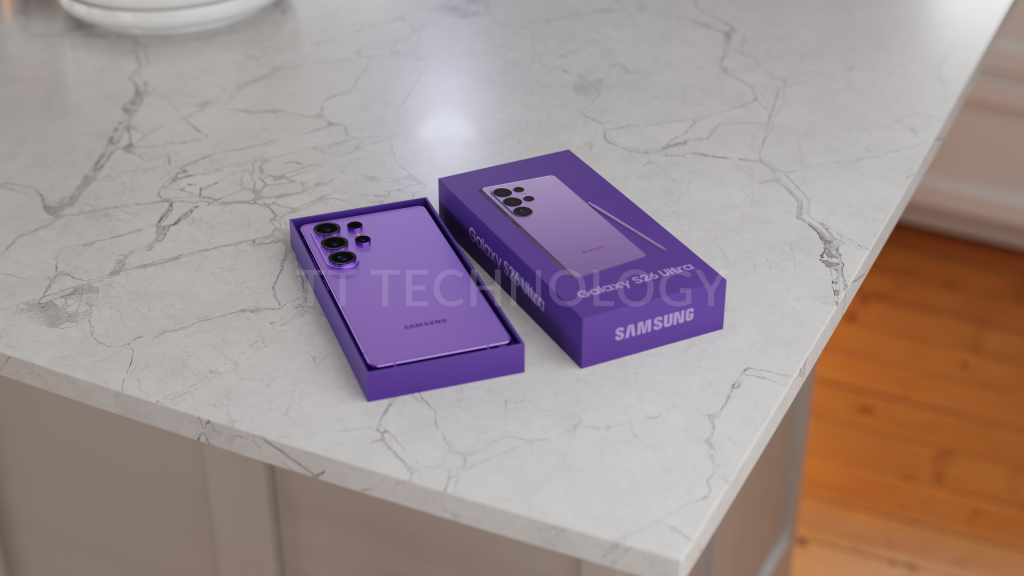
In a world flooded with over 140 Android phone brands, Samsung stands tall as the undisputed king, capturing more than 30% of the global Android market share. That means nearly one in three Android buyers chooses Samsung. But what’s behind this dominance? Is it superior technology, smart business moves, or a blend of both? Let’s dive into the seven key reasons Samsung continues to lead the pack.
Innovation at Its Finest
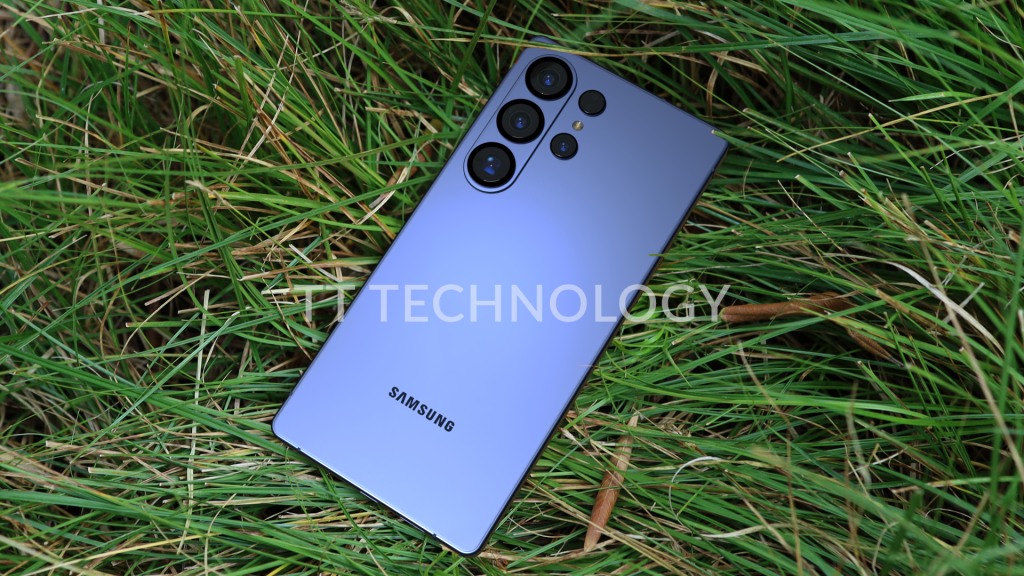
Samsung has a long history of pushing smartphone boundaries. Remember when the original Galaxy Note’s 5.3-inch screen was mocked? It pioneered the “phablet” category, proving customers wanted larger displays—a trend now standard across the industry. Samsung’s prowess in AMOLED display technology, which even powers Apple’s iPhones, sets it apart. The company was also a pioneer in curved displays and remains the leader in foldables with its Galaxy Z Fold and Z Flip series, offering polished devices for users seeking unique form factors.
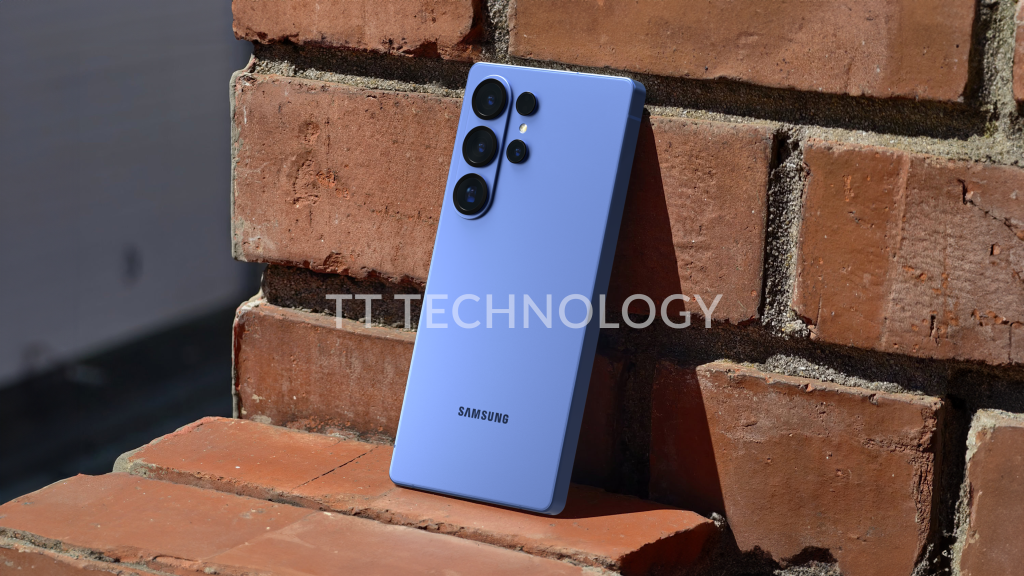
Unlike many competitors, Samsung manufactures many components in-house, including displays, memory chips, and Exynos processors. This vertical integration signals quality and reliability, backed by massive R&D investments and tight quality control.
A Great Software Experience
Samsung’s One UI has evolved into one of the best Android experiences available—clean, fast, and packed with features like DeX for desktop-like use, Secure Folder, Knox security, Good Lock customization, and Galaxy AI enhancements. Samsung also impresses with software support, offering up to seven years of OS and security updates for flagships and six years for popular mid-range models, a commitment matched only by Google.
Phones for Every Budget
Samsung’s strategy is simple: cover every price point. Whether you have $200 or $2,000 to spend, Samsung has a phone for you. This broad lineup allows Samsung to cater to diverse markets worldwide, from entry-level devices popular in Asia, Africa, and Latin America to premium models dominating North America and Europe. It also creates a smooth upgrade path within the brand’s ecosystem.
Massive Marketing Muscle
Samsung’s marketing budget is enormous, enabling it to be everywhere—from TV commercials and online ads to major sports sponsorships. Partnering with celebrities and athletes boosts appeal, while dedicated retail spaces and carrier promotions ensure Samsung phones are front and center in stores. This visibility reinforces consumer familiarity and trust.
Global Reach and Distribution
Samsung’s vast distribution network spans the globe, partnering with carriers and retailers in nearly every country. In the US alone, Samsung phones are available on all major carriers, unlike many competitors. These deep-rooted relationships are crucial since carrier financing remains a significant sales channel worldwide.
A Reputation Like No Other
With roots dating back to 1938 and its first phone released in 1988, Samsung has built a reputation for quality, innovation, and reliability. Despite setbacks like the Note 7 incident, the brand maintains a premium image that commands higher prices. The Galaxy S series, for instance, is more respected and aspirational than many rival flagships, appealing to consumers who view their devices as status symbols.
South Korean Origin: A Strategic Advantage
In many Western markets, products from countries like South Korea are perceived as higher quality and more trustworthy than those from China. Samsung benefits from this perception, especially amid political tensions and security concerns surrounding Chinese brands. This origin story gives Samsung a non-technical edge, positioning it as the safe and reliable choice for Android users worldwide.
In summary, Samsung’s blend of cutting-edge innovation, comprehensive software support, wide product range, powerful marketing, global distribution, strong reputation, and strategic origin all contribute to its commanding position as the king of Android. For now, no competitor seems poised to dethrone this giant anytime soon.