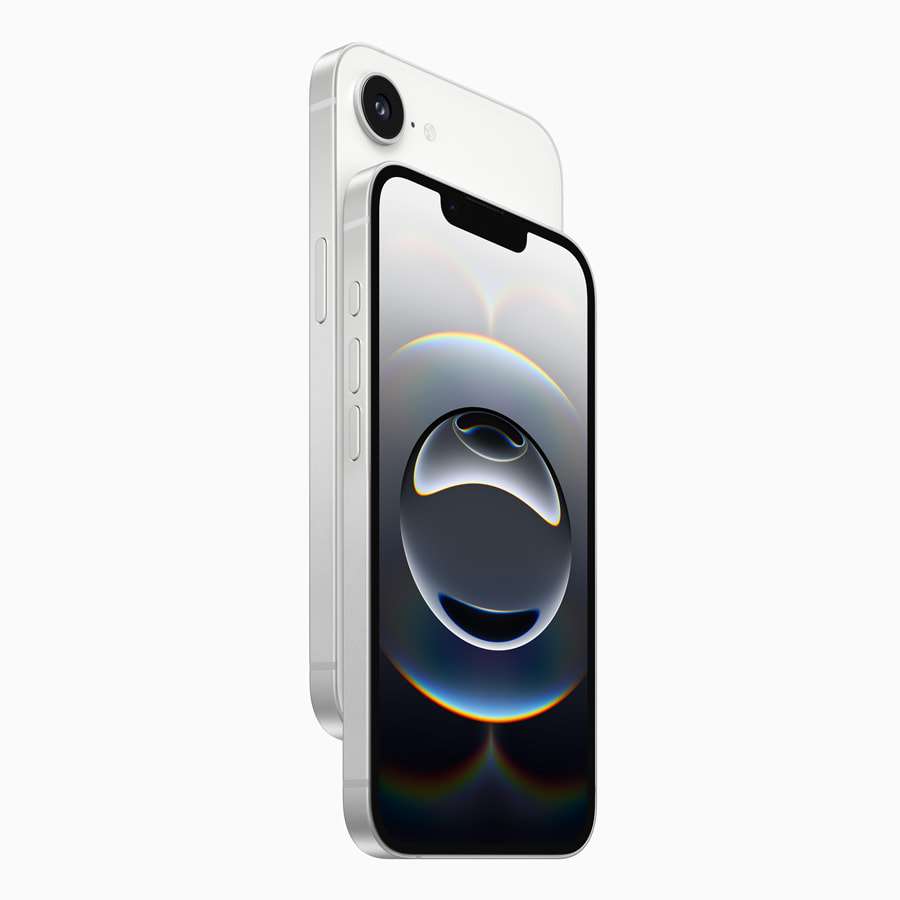
iPhone 16e Tops Sales Over Latest iPhone 17 Pro Max
Despite being the newest and most advanced flagship from Apple, the iPhone 17 Pro Max has been outsold by the more affordable iPhone 16e in the third quarter of 2025. According to recent data from Counterpoint Research, not a single model from the iPhone 17 series made it into the top 10 best-selling smartphones globally during this period. Instead, Apple’s previous generation devices, particularly from the iPhone 16 lineup, dominated the sales charts.
Key Sales Figures and Market Performance
The base iPhone 16 secured the number one spot for Q3 2025, maintaining its lead with a 4% volume share and marking its third consecutive quarter at the top. It was closely followed by the iPhone 16 Pro and iPhone 16 Pro Max, with the iPhone 16e coming in fourth place. The iPhone 16e, priced at $599, serves as Apple’s entry-level option, attracting new users to the iOS ecosystem despite its hardware compromises. Interestingly, the iPhone 17 Pro Max only managed to reach tenth place in the rankings.
Counterpoint Research noted that the iPhone 16’s strong performance was bolstered by festive promotions in India and a steady recovery in Japan. These factors helped offset the seasonal sales decline typically seen when a new series launches. Conversely, the iPhone 16 Pro models experienced a sharper drop in sales, especially in key markets such as the United States, United Kingdom, and China, where consumers showed a preference for the newer iPhone 17 series.
Android Market and Samsung’s Position
On the Android side, Samsung’s Galaxy A16 5G emerged as the best-selling non-Apple smartphone for Q3 2025. Notably, no Samsung flagship devices appeared in the top 10 list, highlighting the continued dominance of Apple’s previous-generation models in global sales. This contrasts with the same period last year when the iPhone 15 series led the charts, with the base iPhone 15 holding the top spot.
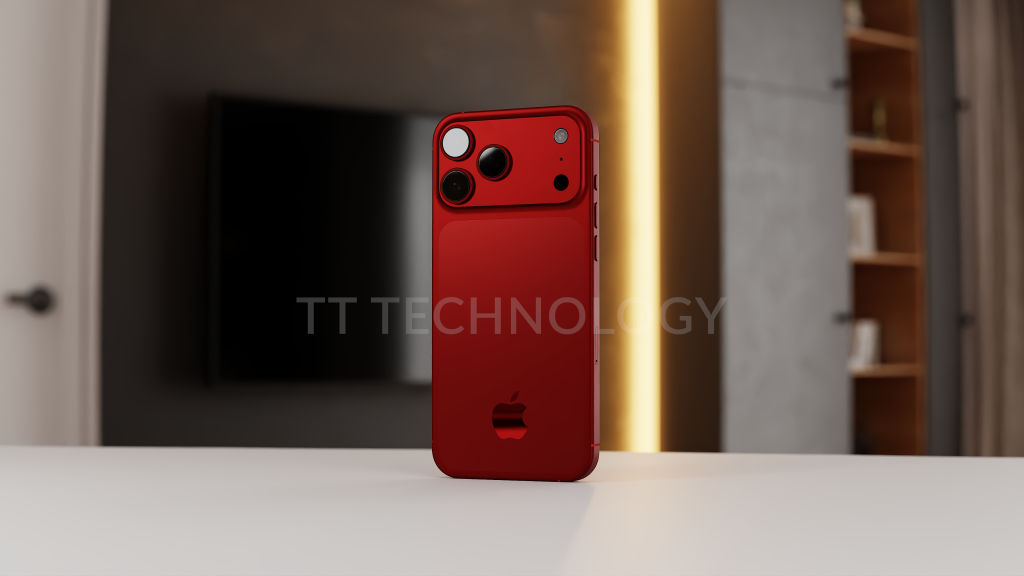
Looking Ahead: What to Expect from the iPhone 17 Series
The iPhone 17 series includes significant upgrades, such as the 3nm A19 chip, 8GB of RAM, and for the first time, an LTPO OLED display with ProMotion technology on a non-Pro model. This advancement in display technology is a notable step for Apple, promising smoother visuals and improved energy efficiency. Despite these enhancements, it appears the market has yet to fully embrace the iPhone 17 lineup, at least in terms of sales volume during Q3 2025.
Industry observers anticipate that the base iPhone 17 could become the best-selling smartphone in Q3 2026, given its impressive specifications and broader appeal. Until then, Apple’s previous-generation devices continue to hold strong positions in the global market, supported by strategic pricing and promotional efforts.
As the smartphone market evolves, it will be interesting to see how the iPhone 17 series performs in the coming quarters and whether it can surpass its predecessors in sales and popularity.