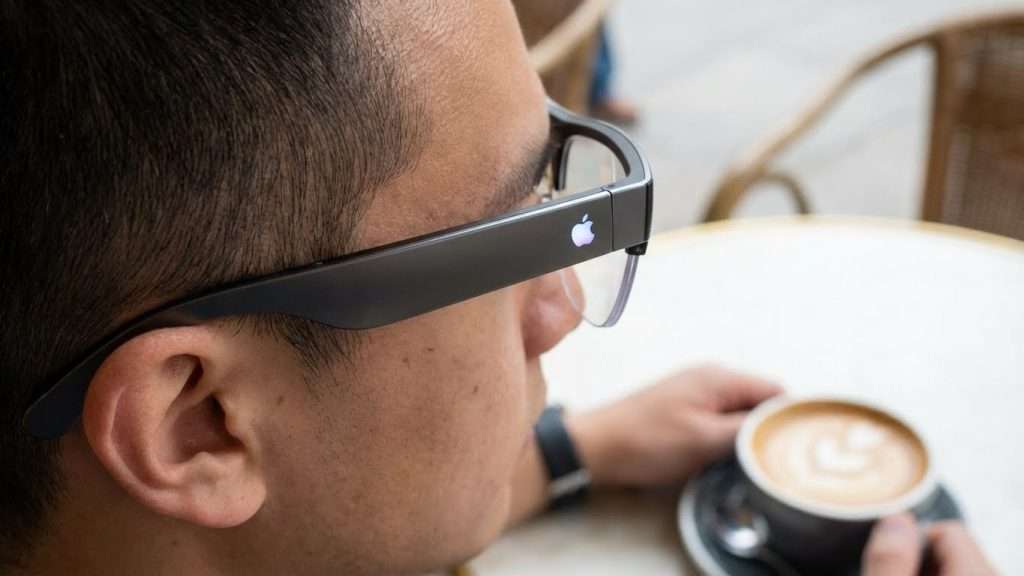
Apple Glasses Could Leverage Apple Watch Chip for Better Battery Life
Apple’s much-anticipated smart glasses have faced significant hurdles, particularly regarding battery life. Early reports suggested that these glasses would struggle to operate for more than a couple of hours on a single charge, which would severely limit their appeal as a standalone device or an iPhone alternative. However, recent leaks indicate that Apple might overcome this issue by powering the glasses with a System-in-Package (SiP) chip from the Apple Watch lineup, rather than the more power-hungry A-series chips found in iPhones.
Key Specifications and Features
The chip in question is the Apple Watch’s S10 SiP, which boasts a dual-core CPU and a 4-core Neural Engine. While it does not match the raw performance of the latest iPhone A19 or A19 Pro chips, the S10 offers a balance of sufficient processing power and ultra-low power consumption. This makes it an ideal candidate to run the Apple Glasses, enabling them to last longer on a smaller battery.
For context, the Apple Watch Ultra 3, powered by the S10 chip, can achieve up to 42 hours of regular use and an impressive 72 hours in Low Power Mode. This efficiency is crucial since the glasses will need to remain lightweight and compact, likely limiting their battery capacity to under 800mAh. In comparison, Apple’s Vision Pro headset packs a hefty 35.9Wh battery but only lasts about three hours, highlighting the importance of a power-efficient chipset for wearables.
Despite using a non-iPhone chipset, the Apple Glasses are expected to support multiple cameras, AI capabilities, and seamless integration with an iPhone. The glasses should be able to render footage from these cameras, activate Siri, and run AI features when tethered wirelessly or via a direct connection to an iPhone or Mac.
Background and Development Timeline
Previous leaks have suggested that Apple’s first smart glasses might launch without a built-in display, focusing instead on connectivity and smart features. This initial version is rumoured to debut in 2026. Looking ahead, the second-generation model, expected in 2027, could run two operating systems depending on the device it is connected to, potentially offering a more versatile user experience.
The use of the Apple Watch’s S10 chip underscores Apple’s strategy to leverage existing, highly efficient silicon to tackle the unique power demands of wearable devices. This approach could allow Apple to deliver a feature-rich product without compromising battery life or comfort.
What to Expect Next
As Apple continues to refine its smart glasses, the integration of the S10 SiP chip could be a game-changer in making the device practical for daily use. With a launch potentially set for 2026, tech enthusiasts should keep an eye on further leaks and announcements that reveal more about the glasses’ capabilities and design. The balance between performance, battery life, and form factor will be critical in determining the success of Apple’s entry into the smart glasses market.