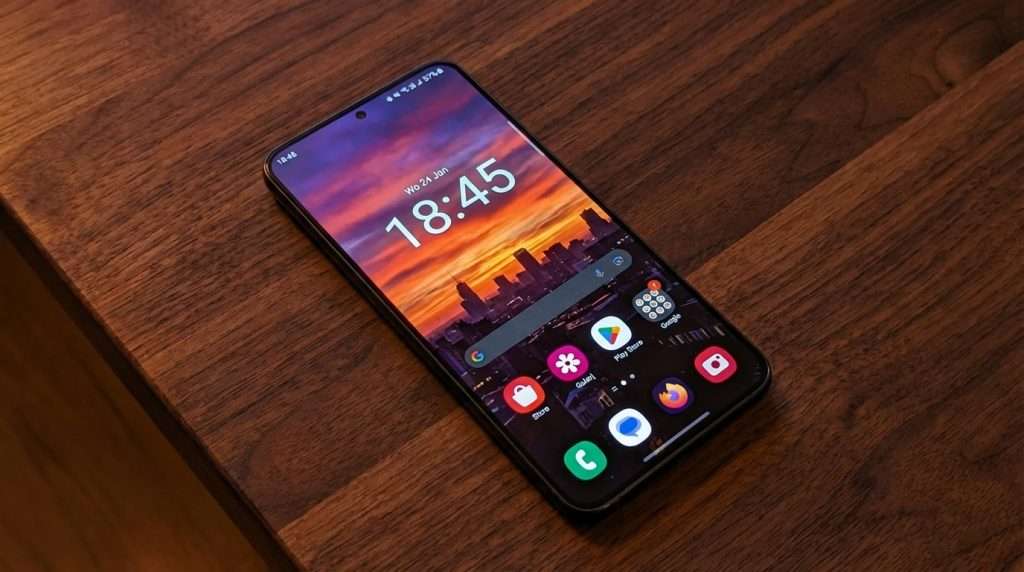
A Startling Incident with the Galaxy S25 Plus
In the quiet of the night, a couple was jolted awake by an unusual popping sound, reminiscent of popcorn in a microwave. The source? A Samsung Galaxy S25 Plus smartphone left charging on the carpet. Moments later, the device was engulfed in flames, sparking a harrowing experience that extended well beyond the immediate danger. This incident, while rare, highlights the potential risks associated with lithium-ion batteries and the importance of knowing how to respond.
Details of the Fire and Immediate Response
The user, who preferred to remain anonymous, recounted how the phone began to emit smoke and flames while charging. Instinctively, he poured water on the device and smothered it with wet T-shirts, actions he now recognises were not ideal but fortunately helped control the fire quickly. Despite the flames dying down, the phone continued to emit smoke for another 15 to 20 minutes. Emergency services were called, leading to a complex response involving firefighters, an arson investigator, and even a bomb squad due to the hazardous nature of the lithium-ion battery fire.
The official fire department report confirmed that the battery underwent a thermal runaway event, igniting the carpet beneath it. The incident was classified as accidental, originating within the Galaxy S25 Plus itself. The user later learned about thermal runaway – a dangerous chain reaction in lithium-ion batteries – which perfectly matched his experience. Samsung, however, suggested the cause was due to “external force,” though they acknowledged insufficient evidence to confirm this and remain in contact with the customer to resolve the matter.
Challenges During Investigation and Aftermath
Following the fire, the investigation was unprecedented for the local fire and police departments, requiring coordination between multiple agencies. The damaged phone was treated as hazardous waste and stored accordingly. Retrieving the device post-investigation proved frustrating, with the user facing bureaucratic hurdles at police headquarters, highlighting how unprepared official systems can be for such incidents.
Dealing with Samsung’s customer support was another challenge. Initial contact via WhatsApp was unhelpful due to regional restrictions, but escalation through the CEO’s office led to better communication. While Samsung admitted liability and agreed to cover the phone, medical bills, lost wages, and cleanup, the user felt the compensation for toxic chemical inhalation was inadequate considering the long-term health risks and trauma caused.
Health and Psychological Impact
The incident left a lasting mark beyond physical damage. The user reported decreased lung capacity and ongoing sensations of internal heat, symptoms likely linked to inhaling lithium smoke. Psychologically, the experience induced trauma, especially for his partner, who now refuses to charge her phone unattended and keeps it in a silicone container at night for peace of mind. The user emphasised that while Samsung addressed the visible damage, the invisible consequences remain unacknowledged.
Lessons Learned and Safety Advice
This experience serves as a crucial reminder about lithium-ion battery safety. The user stressed that water is not the recommended method for extinguishing such fires, a fact he only learned after the event from firefighters. Lithium-ion fires can reignite and produce harmful fumes, so creating distance and calling emergency services is advised. Charging devices on soft surfaces like carpets should be avoided, and original or reputable chargers used to reduce risks.
Despite the rarity of such incidents, clear safety information is vital. The user expressed disappointment that Samsung, even years after the Note 7 battery issues, has yet to fully master battery safety. His previous Galaxy S22 devices also experienced battery swelling, suggesting a pattern that warrants attention.
What to Watch For Next
As smartphone batteries remain a critical component, incidents like this highlight the need for improved safety protocols and better consumer guidance. Users should remain vigilant about how and where they charge their devices and be informed about appropriate responses if a fire occurs. Samsung’s ongoing communication with the affected user may lead to further developments, but the broader industry must continue advancing battery safety to prevent similar events.
Ultimately, this case underscores the importance of preparedness and awareness when dealing with lithium-ion battery fires, which, while uncommon, can have serious consequences.