Xiaomi’s Innovative Camera Module Nears Commercial Release
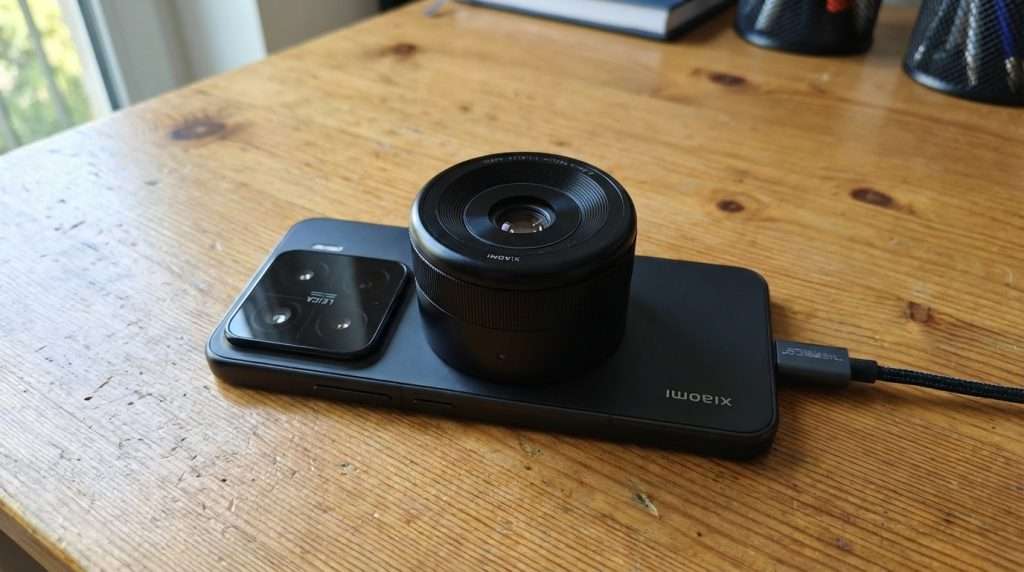
Last year at Mobile World Congress, Xiaomi unveiled a fascinating prototype known as the Modular Optical System, sparking interest with its unique approach to smartphone photography. Initially described as a research project with an uncertain future, recent reports from Digital Chat Station indicate that this detachable micro four-thirds camera module is now entering mass production and is expected to be commercially available early this year, though the exact release date remains unconfirmed.
Key Features and Specifications
This camera module stands out due to its impressive 100MP micro four-thirds sensor paired with a 35mm f/1.4-f/11 lens featuring a manual focus ring. The sensor supports native 2x zoom through pixel binning, promising enhanced image quality and versatility. Unlike previous lens-style cameras such as those from Sony, Xiaomi’s module utilises a high-speed connection called LaserLink, capable of data transfer rates up to 10Gbps with very low latency. This technology allows the module to leverage the smartphone’s powerful image signal processor (ISP) for image processing, rather than relying on onboard hardware.
Notably, the module is designed without its own battery or processing unit, drawing power directly from the connected phone. The prototype weighed around 100 grams, which felt somewhat bulky on the compact Xiaomi 15 used for demonstration, though it is expected to be more balanced when paired with larger devices like the Xiaomi Mix series. The camera also powers down when idle, requiring a few seconds to boot up when activated.
Compatibility and Future Prospects
The initial prototype was showcased alongside a customised Xiaomi 15, but the latest discussions suggest that the upcoming Xiaomi Mix 5 flagship might be the first device to support the LaserLink connection required for this module. This connection is more than just magnetic attachment; it involves a dedicated data interface, meaning only select phones with this feature will be compatible. This limitation could restrict the module’s use to specific Xiaomi models equipped with both Qi2-style magnets and the necessary data connection.
CEO Lei Jun has publicly demonstrated the micro four-thirds module, highlighting Xiaomi’s commitment to pushing smartphone camera technology forward. As this modular system moves closer to commercial availability, it could offer photography enthusiasts a new level of flexibility and image quality previously unseen in smartphone accessories.
What to Expect Next
With mass production underway, anticipation is building around when Xiaomi will officially launch this detachable camera module and which devices will support it. The success of this system will likely depend on the adoption of the LaserLink connection in future Xiaomi smartphones and how well the module performs in real-world conditions. For now, tech fans and photography aficionados should keep an eye on Xiaomi’s announcements in the coming months for further details.