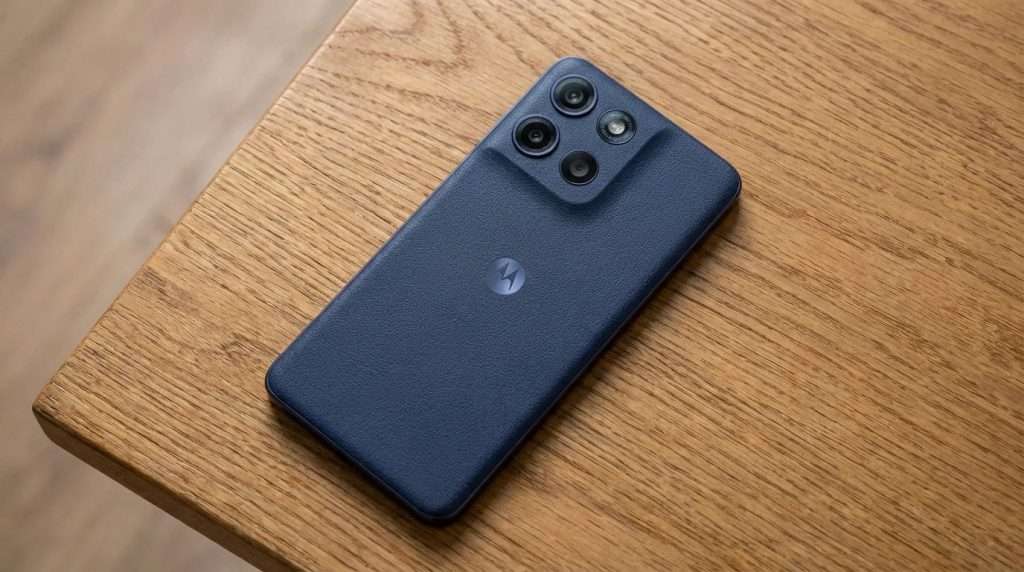
Introducing Motorola’s Latest Mid-Range and Budget Smartphones
At the end of January, Motorola expanded its smartphone lineup with four new models aimed at different segments: the mid-range Moto G67 and Moto G77, alongside the entry-level Moto G17 and G17 Power. These devices offer a variety of features and specifications designed to cater to users seeking affordable yet capable smartphones. The question now is whether any of these new releases could be your next device or if you have other models in mind.
Key Specifications and Features of the Moto G67 and G77
The Moto G77 stands out with its 6.78-inch 120Hz OLED display, delivering a sharp resolution of 1272 x 2772 pixels. This panel supports 10-bit colour depth and HDR content, all protected by Gorilla Glass 7i, making it well suited for multimedia consumption. Under the hood, it is powered by the MediaTek Dimensity 6400 chipset, which, while efficient, is not optimised for intensive gaming experiences.
One of the G77’s highlights is its 108MP main camera equipped with optical image stabilization (OIS) and a native 3x in-sensor zoom. It can record video at 1440p resolution at 30 frames per second. Complementing this is an 8MP ultra-wide camera with a 119-degree field of view, though it is relatively basic in capability. The front-facing camera is a 32MP sensor that also supports 1440p video recording at 30fps, offering good selfie performance.
The Moto G67 shares many similarities with the G77 but with a few notable differences. It features a 50MP main camera without OIS and is powered by the Dimensity 6300 chipset, which is essentially the same silicon as the 6400 but clocked slightly lower by 0.1GHz. The G67 comes with 4GB of RAM, half that of the G77’s 8GB, which is likely to have a more significant impact on real-world performance. Both models offer storage options of 128GB and 256GB, with some regions receiving a 512GB variant, and include a microSD slot for expandable storage. Battery capacity is identical at 5,200mAh with 30W fast charging support, and both phones carry an IP64 rating, offering dust-tight and splash-proof protection.
Entry-Level Options: Moto G17 and G17 Power
Moving to the entry-level segment, the Moto G17 is a straightforward 4G device powered by the older MediaTek Helio G81 chipset built on a 12nm process. It sports a 6.72-inch IPS LCD screen and houses a 5,200mAh battery with 18W charging. The camera setup includes a 50MP main sensor capable of 1080p video recording at 30fps and a basic 5MP ultra-wide lens. Surprisingly, the selfie camera is a relatively high-resolution 32MP sensor, which is a nice touch for this price range.
The Moto G17 Power enhances the base model in two main areas. Firstly, it doubles the RAM to 8GB and increases storage to either 256GB or 512GB, compared to the G17’s 4GB RAM and 128GB storage options. Both models support microSD cards, allowing users to expand storage as needed. Secondly, the battery capacity is boosted to 6,000mAh with faster 30W charging, promising longer usage times and quicker top-ups.
Pricing and Availability
In terms of pricing, the Moto G67 with 4GB RAM and 128GB storage is available for around £200, while the 4GB/256GB variant is priced at approximately €260. The Moto G77 with 8GB RAM and 128GB storage retails for about £250, with an 8GB/512GB model priced at €300 in European markets.
The Moto G17 Power’s 8GB/256GB configuration costs around €230 in Europe, whereas the 4GB/128GB version is available for about €150 in the UK. The Moto G17 with 8GB RAM and 128GB storage is priced at approximately €200.
Looking Ahead
These new Motorola devices offer a compelling mix of features and pricing for consumers looking for mid-range or entry-level smartphones. The Moto G77, with its high-resolution camera and OLED display, targets users who prioritise multimedia and photography, while the G67 provides a more affordable alternative with slightly toned-down specs. Meanwhile, the G17 and G17 Power serve budget-conscious buyers who still want decent performance and battery life.
As these models become available, it will be interesting to see how they perform in real-world usage and how they stack up against competitors in the crowded mid-range and budget smartphone markets.