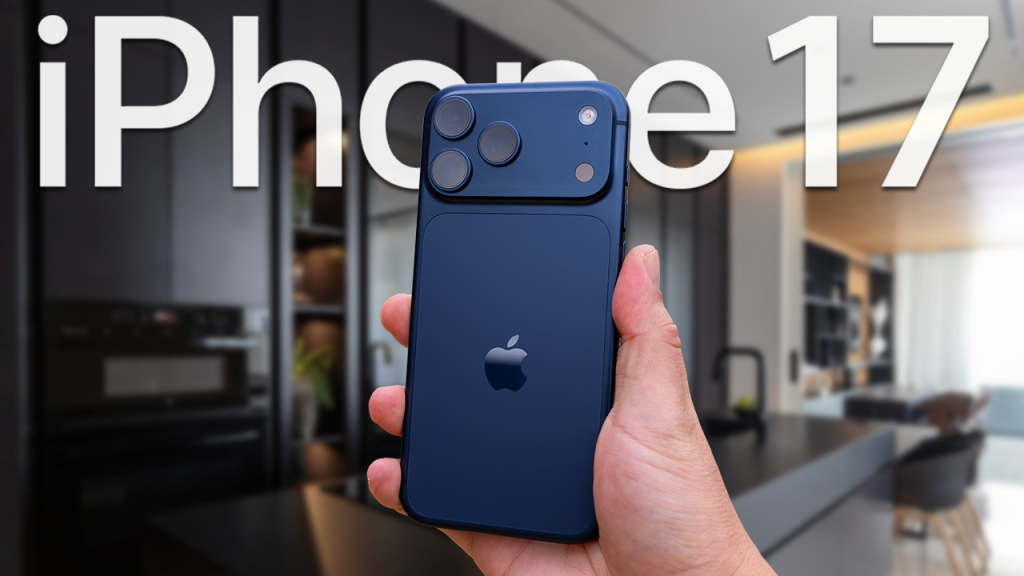
Apple Moves Away from Titanium in iPhone 17 Pro
Apple has decided to replace titanium with aluminium for its latest iPhone 17 Pro and Pro Max models, marking a significant change just two years after introducing titanium as the signature material for the iPhone 15 Pro series. This shift has sparked discussions about whether titanium was ever truly beneficial or simply a marketing strategy to elevate the Pro lineup’s premium appeal.
Key Features and Challenges of Titanium
When Apple first introduced titanium with the iPhone 15 Pro and Pro Max in 2023, it was hailed as a revolutionary choice. Titanium, specifically Grade 5 alloy, was chosen for its strength, corrosion resistance, and lighter weight compared to stainless steel, reducing the iPhone 15 Pro’s weight by 19 grams. Additionally, titanium offered superior resistance to scratches and dents, appealing to users who prioritised durability. Apple also innovatively combined titanium with an internal aluminium mid-frame to improve heat dissipation, addressing titanium’s poor thermal conductivity.
However, despite these advantages, titanium presented notable drawbacks. Its poor heat conduction led to overheating issues during intensive tasks such as gaming and fast charging, especially as Apple introduced more powerful processors like the A17 Pro. Manufacturing titanium also proved challenging and costly, requiring specialised tools and slower production speeds, which increased scrap rates. While titanium added roughly $30-$40 to production costs, the iPhone 15 Pro’s $400 price premium was heavily justified by the use of titanium, making it difficult to sustain economically.
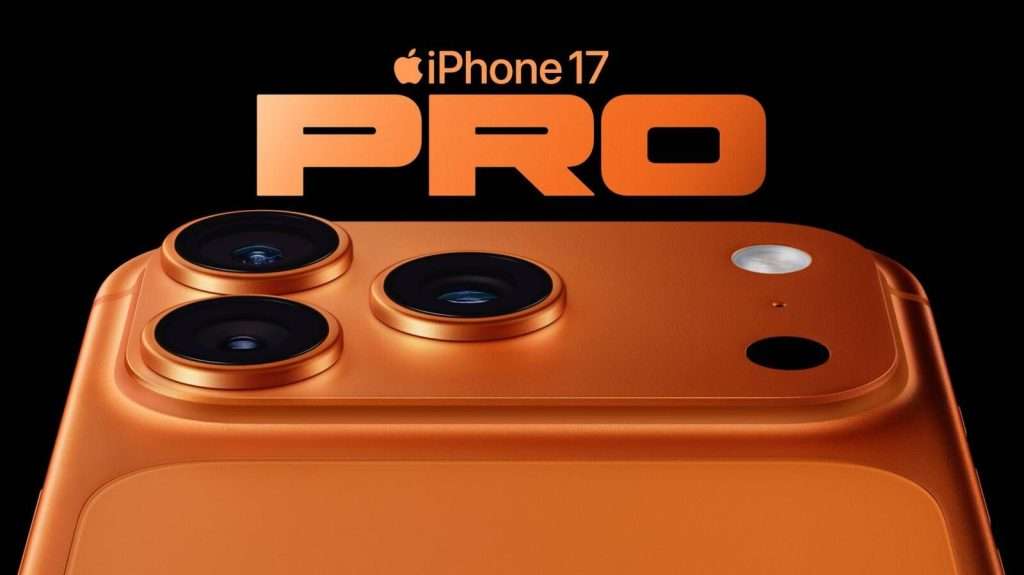
Why Aluminium Makes More Sense for the iPhone 17 Pro
Returning to aluminium for the iPhone 17 Pro addresses many of the problems titanium posed. Aluminium offers superior thermal conductivity, which is vital for managing the heat generated by the new A19 Pro chip and the device’s advanced vapour chamber cooling system. This improvement not only enhances thermal performance but also allows Apple to include a larger battery, improving overall user experience.
From a manufacturing perspective, aluminium is easier and faster to machine, reducing production complexity and costs. It also aligns better with Apple’s environmental commitments, as aluminium has a smaller carbon footprint than titanium. Apple’s collaborations with low-carbon aluminium smelters and efficient recycling initiatives further support this sustainable choice. Additionally, aluminium permits a wider variety of anodised colours, enabling the iPhone 17 Pro to feature new finishes such as dark blue and orange, options that were not feasible with titanium.
Reflecting on Titanium’s Legacy and the Future
While titanium did offer tangible benefits like improved durability and lighter weight, these advantages were often marginal for most users, especially those who used protective cases. The thermal issues and higher costs associated with titanium ultimately outweighed its positives. Apple’s relatively quick abandonment of titanium in the Pro series suggests the material was more about marketing allure than practical, long-term performance.
That said, titanium is not disappearing entirely from Apple’s lineup. The company continues to use it exclusively for the ultra-thin iPhone Air, where its strength is essential to maintain structural integrity in a device just 5.6mm thick. For the Pro models, however, aluminium strikes a better balance between performance, cost, and sustainability.
Conclusion: Prioritising User Experience Over Materials
The transition from titanium back to aluminium highlights an important lesson in smartphone design: while materials contribute to a device’s appeal, the overall user experience is paramount. Factors such as battery life, thermal management, and ecosystem integration have a more significant impact on daily use than the choice of frame material. Aluminium resolves the challenges titanium introduced, making it a practical and forward-looking choice for Apple’s latest Pro smartphones.
Ultimately, although titanium was marketed as a cutting-edge material, its real-world benefits were limited. Apple’s decision to revert to aluminium reflects a focus on functionality and environmental responsibility rather than flashiness. The iPhone 17 Pro’s aluminium frame is not a step back but a move towards a more balanced and sustainable design.
For those interested in following the latest developments, further updates on Apple’s material choices and device innovations will be worth watching closely.