
Apple’s iPhone Fold Could Introduce Innovative Materials for Better Durability
Apple’s upcoming iPhone Fold is generating buzz with reports suggesting it will incorporate a liquid metal hinge paired with a titanium body. This combination is expected to improve the device’s strength and weight distribution, marking a significant step forward in foldable smartphone engineering. The information comes from the Apple-focused blog Yeux1122, aligning with earlier insights from renowned analyst Ming-Chi Kuo, who highlighted the use of liquid metal hinges for enhanced durability and crease reduction in foldable displays.
Key Features and Specifications of the iPhone Fold
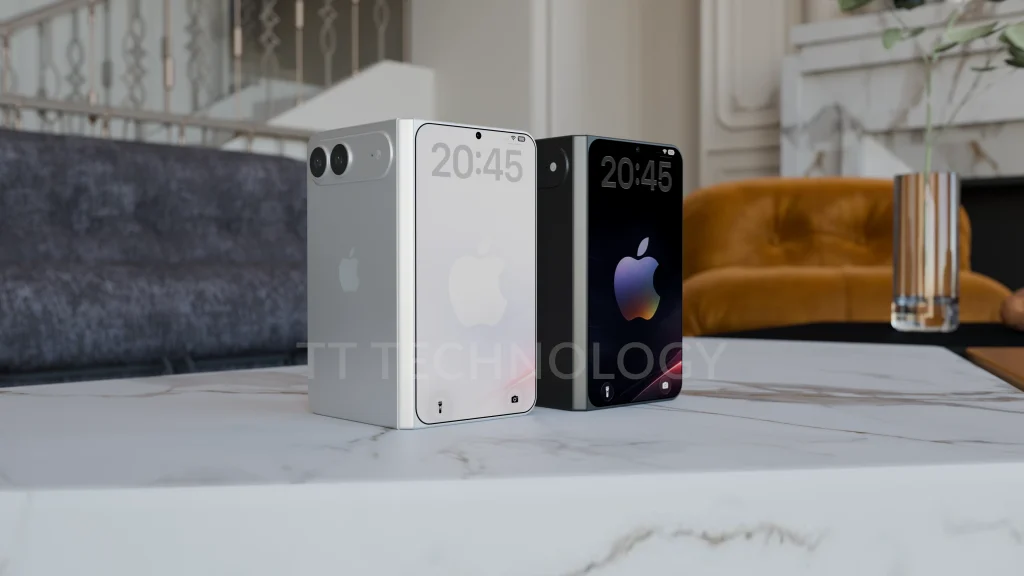
The iPhone Fold is rumoured to feature a passport-style wide form factor, boasting a primary foldable display of approximately 7.7 inches and a cover screen around 5.4 inches. The main panel is said to offer a resolution of 2,713 x 1,920 pixels with a 4:3 aspect ratio, promising sharp and vibrant visuals. Notably, the device might replace Face ID with a side-mounted Touch ID sensor, offering an alternative biometric unlocking method.
Under the hood, the foldable will reportedly be powered by Apple’s A20 Pro system-on-chip, supported by 12GB of RAM and an in-house C2 5G modem. Photography capabilities are expected to include a dual rear camera setup with a 48MP sensor and an in-display front camera reaching up to 24MP resolution. Additionally, the phone is said to house a sizeable battery ranging between 5,400mAh and 5,800mAh, alongside a dedicated vapor chamber for efficient thermal management.
Context and Background on Apple’s Foldable Strategy
Apple’s interest in liquid metal is not new; the company has held numerous patents involving this material over the years. However, mass production challenges have so far limited its use to smaller components like SIM card trays. If these rumours hold true, it would indicate that Apple has overcome previous manufacturing hurdles to integrate liquid metal on a larger scale. This development coincides with reports that Apple plans to apply a colour filter on the OLED panel’s protective layer to create lighter and more power-efficient displays.
One of the iPhone Fold’s most anticipated features is its crease-free display. Samsung recently demonstrated a similar technology at CES 2026, using a metal plate beneath the foldable OLED panel with perforations to distribute pressure evenly and reduce creasing. Apple had reportedly encountered difficulties with Ultra-thin Flexible Glass (UFG) technology in its attempts to achieve a crease-free look, making Samsung’s approach a notable benchmark in the foldable display space.
What to Expect Next from Apple’s Foldable Ambitions
The iPhone Fold is expected to launch in the second half of 2026 as an eSIM-only device, with a projected price point around $2,399. Early shipment estimates suggest Apple could move between 7 million and 9 million units in its first year, signalling strong market interest. As Apple continues refining its foldable technology, the industry will be watching closely to see how these innovations in materials and display design translate into real-world performance and user experience.
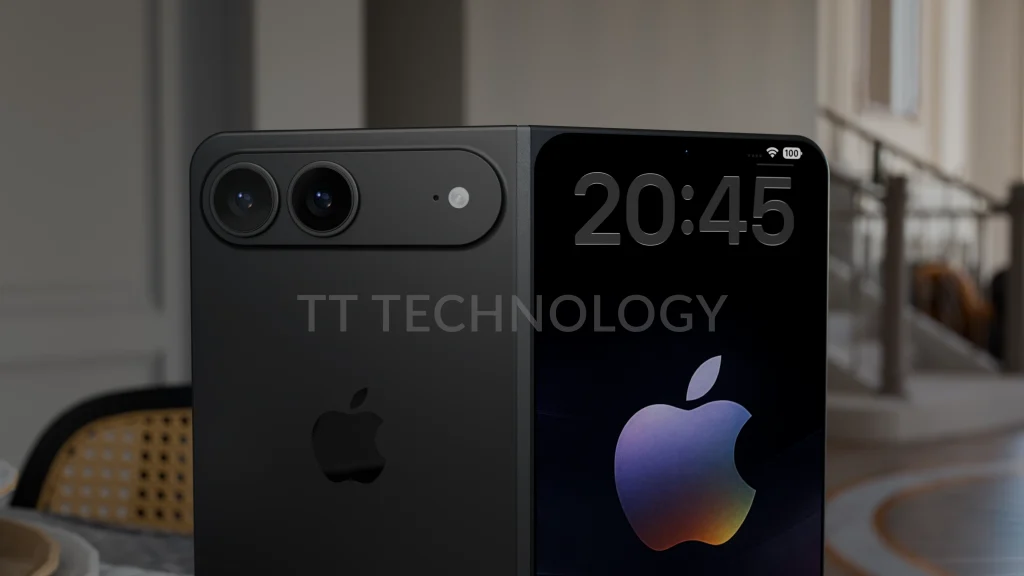
Overall, the integration of a liquid metal hinge and titanium body could set a new standard for foldable smartphones, combining durability with a premium feel. The next several months will be crucial in confirming these details and revealing how Apple’s foldable device competes within an increasingly crowded market.
Source: Nave Blog