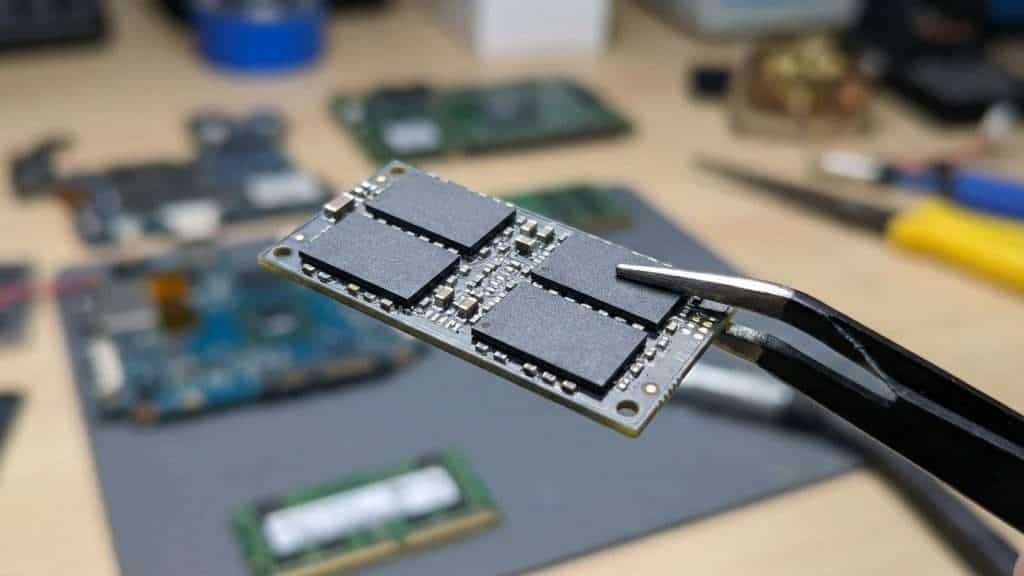
Apple’s Advantage Amidst 2026 RAM Shortage
As the global RAM shortage continues to challenge PC manufacturers, market research firm TrendForce has revised its forecast for notebook shipments in 2026, predicting a 5.4% year-over-year decline. Despite this downturn, Apple is expected to outperform many of its competitors, thanks to its integrated supply chain and strong pricing power. The company’s anticipated launch of a low-cost 12.9-inch MacBook in the first half of 2026 is poised to further bolster its position in the market.
Key Details on Apple’s Upcoming Devices and Supply Chain Strategy
Apple’s upcoming 12.9-inch MacBook is expected to feature the A18 Pro chip and be competitively priced, making it an attractive option for buyers amid the constrained supply environment. Alongside this, the M5 Pro and M5 Max MacBook Pro models are also slated for release in early 2026, though these premium devices may not generate as much volume. The M5 MacBook Air family is set to debut in the same timeframe, offering a significant chipset upgrade and potentially appealing pricing that could encourage upgrades.
Apple’s ability to manage its supply chain effectively is a critical factor in its resilience. Despite long-term agreements with key DRAM suppliers Samsung and SK hynix expiring in January 2026, Apple’s robust channel and pricing management strategies are expected to help it secure priority access to memory components. Samsung has recently become Apple’s largest DRAM supplier for the iPhone 17 and 18 models, supplying 60-70% of total LPDDR5X shipments, demonstrating the strength of Apple’s procurement relationships.
Context and Industry-Wide Impact
The ongoing RAM shortage has forced PC makers to reconsider their configurations, with some contemplating making 8GB notebooks the standard to navigate limited capacity and inflated component prices. TrendForce’s revised shipment forecast has dropped from 178.5 million units to 172.9 million units for 2026, and if the shortage persists, the decline could deepen to 10.1% year-over-year. Lenovo is reported to be in a similar position to Apple, but most rival manufacturers are expected to face tougher challenges.
Apple’s integrated supply chain, steady procurement volumes, and predictable demand planning provide it with a significant edge. This allows the company to adjust its product lineup flexibly and maintain competitive pricing, even as memory costs rise. In contrast, other notebook makers may have to either increase prices by offering higher memory configurations or downgrade hardware to cope with the shortage.
Looking Ahead
With the 12.9-inch MacBook launch and other new models expected in early 2026, Apple is well-positioned to stabilise and potentially grow its notebook shipments despite the challenging supply environment. Observers should watch how these releases perform and how Apple’s supply chain management continues to navigate ongoing component shortages.