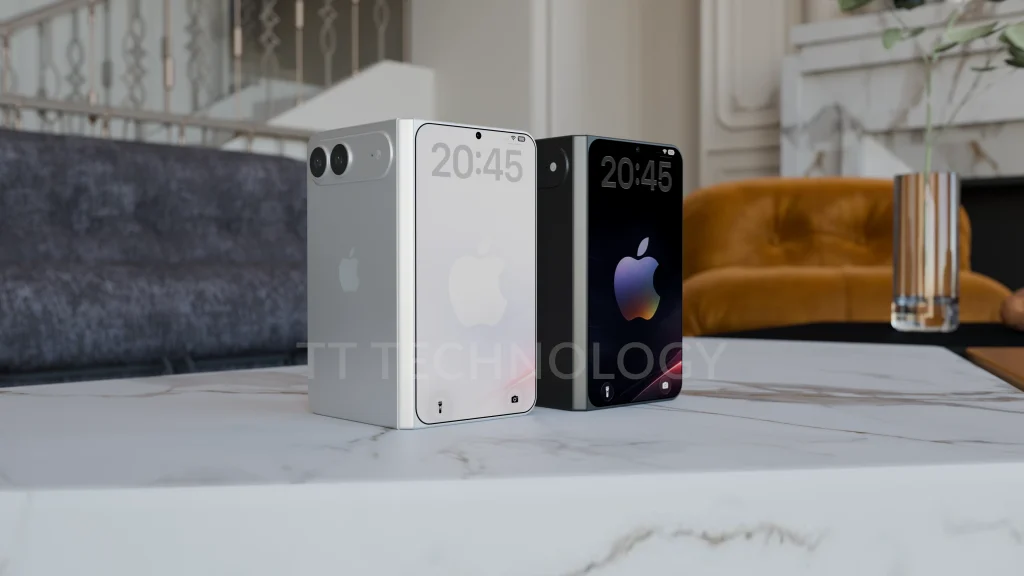
Apple Embraces Innovative Display Tech for Upcoming Foldable and Air Models
Apple is reportedly set to incorporate Samsung’s advanced Color Filter on Encapsulation (CoE) OLED technology in the displays of its forthcoming iPhone Fold and iPhone Air 2 models. This move aims to produce screens that are both thinner and brighter, significantly enhancing display efficiency. The adoption of CoE technology marks a strategic step in Apple’s pursuit of improved display performance for its next-generation devices.
Key Features and Specifications of the iPhone Fold
The iPhone Fold is anticipated to feature a sizeable primary display of around 7.7 inches with a passport-style wide form factor, complemented by a 5.4-inch cover screen. Notably, the foldable display is expected to be nearly crease-free, thanks to a novel design showcased by Samsung at CES 2026. This design utilises a laser-perforated metal plate beneath the OLED panel, which distributes folding pressure evenly to prevent crease formation.
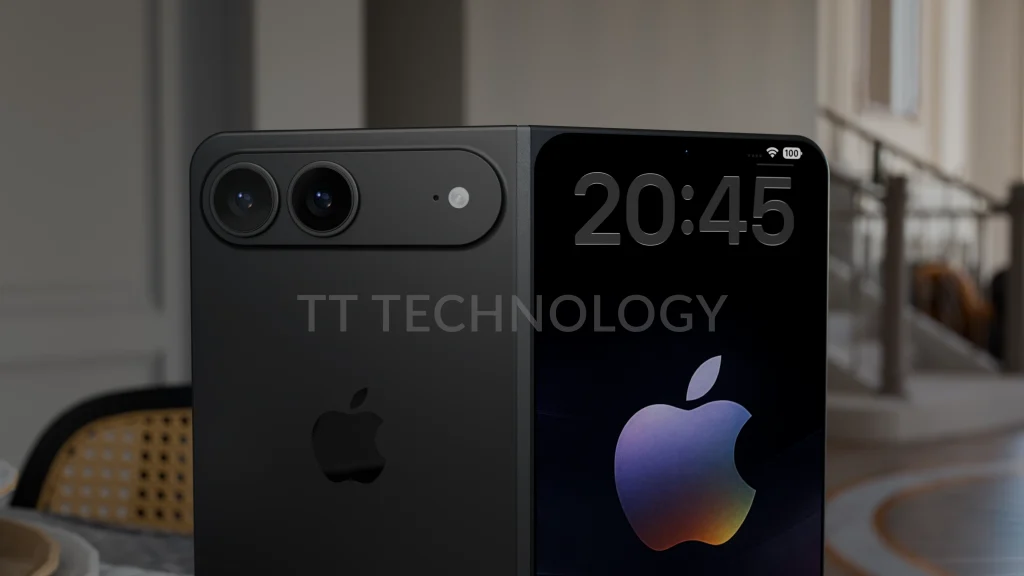
In terms of hardware, the device is rumoured to run on the A20 Pro system-on-chip paired with 12GB of RAM and an in-house C2 5G modem. The camera setup includes a dual rear camera with a 48MP sensor and an in-display front camera capable of up to 24MP resolution. Additional features include a dedicated vapour chamber for cooling, a 2,713 x 1,920 resolution display with a 4:3 aspect ratio, side-mounted Touch ID instead of Face ID, and a battery capacity ranging between 5,400 and 5,800mAh. The iPhone Fold is expected to launch in the second half of 2026 as an eSIM-only variant, with a projected price of approximately $2,399 and first-year shipments estimated between 7 and 9 million units.
Understanding Samsung’s CoE OLED Technology
Traditional OLED panels typically incorporate a polarising film to reduce glare and boost contrast, but this layer also diminishes light efficiency by absorbing some emitted light. Samsung’s CoE technology eliminates the need for this polarising film by applying a colour filter directly onto the OLED panel’s protective encapsulation layer. This innovation results in displays that are lighter and more efficient, allowing for thinner screen designs without compromising brightness or quality.
Context and Launch Timelines
According to reports from The Elec, Apple plans to unveil the iPhone Fold alongside the iPhone 18 Pro and Pro Max in the third quarter of 2026. Meanwhile, the launch timing of the iPhone Air 2 remains uncertain, with possibilities ranging between late 2026 and early 2027. The Air 2 is expected to feature a dual-camera setup and a more affordable price point compared to other models in the lineup. Persistent rumours of a spring 2027 launch for the ultra-slim iPhone Air 2 should therefore be considered tentative.
Apple’s exploration of Ultra-thin Flexible Glass (UFG) technology to achieve a crease-free foldable display has faced challenges, but Samsung’s innovative approach to pressure distribution under the foldable panel could provide the solution Apple needs to deliver a premium foldable experience.

What to Expect Moving Forward
As Apple moves closer to launching its foldable iPhone and potentially the iPhone Air 2, the integration of Samsung’s CoE OLED technology could set a new standard for display efficiency and design. The coming months will be crucial in confirming final specifications and launch dates. Tech enthusiasts should keep an eye on further leaks and official announcements, especially regarding the iPhone Air 2’s release schedule and the foldable model’s market reception.
Source: Thelec