
Apple Explores Superior Scratch-Resistant Materials for iPhone Fold
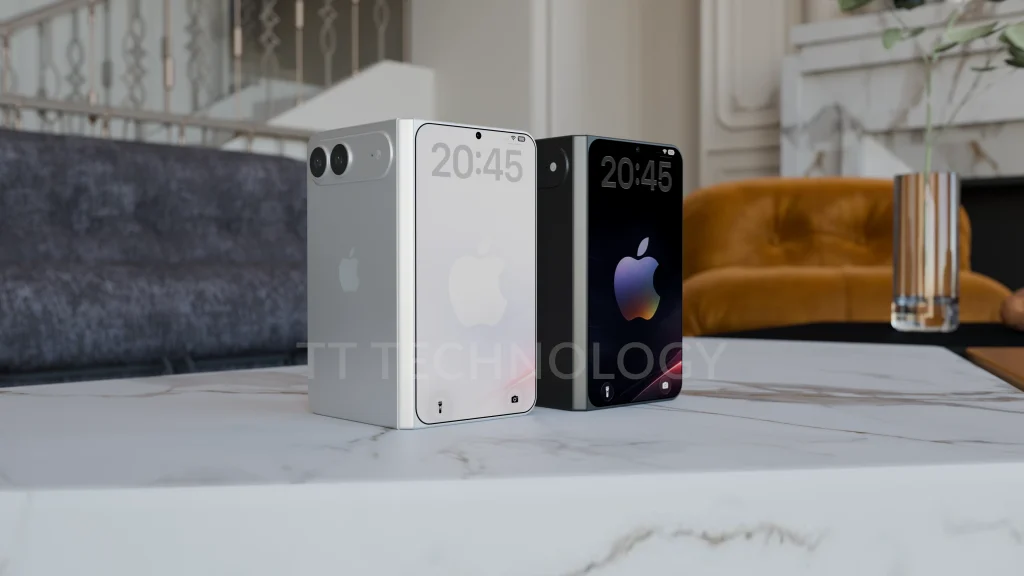
As Apple prepares to unveil its first foldable smartphone, the iPhone Fold, fresh reports suggest the company is considering a polyimide film (PI) layer atop its ultra-thin glass (UTG) display to significantly improve scratch resistance. This move could set the iPhone Fold apart from current foldable devices, particularly Samsung’s models, which use a less durable polyethylene terephthalate (PET) film on their inner displays.
The inner display of a foldable phone is notoriously vulnerable to scratches and damage over time, often leading to a diminished user experience. Apple’s interest in PI film indicates a strong focus on durability and longevity, addressing a common pain point in foldable smartphone technology.
Key Details on Materials and Manufacturing Choices
According to a report from The Elec, Apple is still finalising whether to use polyimide film or PET film on top of the UTG panel. While PET film is cheaper and easier to mass produce—hence its adoption by Samsung—PI film offers superior scratch resistance, which could justify a higher production cost. Industry insiders suggest that Apple is leaning towards PI, aiming to deliver a premium build quality consistent with its brand reputation.

Kolon Industries, known for developing PI solutions for foldable smartphones, is reportedly a potential supplier for Apple’s iPhone Fold. This partnership could help Apple overcome technical challenges such as crease visibility and display durability, which have been reported as ongoing issues during the phone’s development.
Context and What It Means for the Foldable Market
Last year, Apple was said to be considering PET film, but recent engineering assessments appear to have highlighted the advantages of PI film. This shift aligns with Apple’s typical approach of prioritising high-quality materials and user experience, even at a premium price point. The iPhone Fold is expected to launch alongside the iPhone 18 Pro models later this year, with a projected price tag around $2,399, reflecting its flagship status and advanced technology.
Samsung’s foldable smartphones, while innovative, have faced criticism for the fragility of their inner displays due to the PET film layer. If Apple successfully integrates a PI film layer, it could offer a more resilient foldable display, potentially setting a new standard for the industry.
Looking Ahead
With only a few months left before the anticipated launch, Apple’s final decision on the display protection material will be crucial. Choosing polyimide film could enhance the iPhone Fold’s appeal by improving durability and scratch resistance, addressing a key concern for foldable devices. Consumers and industry watchers alike will be keen to see how Apple’s foldable debut compares to existing models and whether it can raise the bar for foldable smartphone technology.