Why New Phone Releases Feel More Incremental
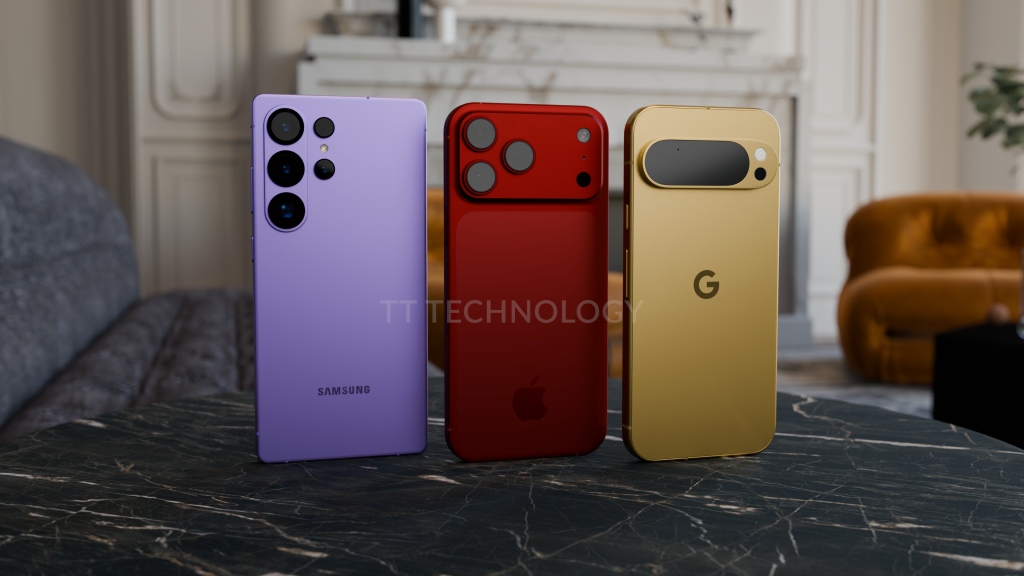
In recent years, the pace of innovation in smartphone releases has noticeably slowed. Major brands like Samsung are increasingly delivering devices that differ only slightly from their predecessors, with the upcoming Galaxy S26 expected to feature just a modest processor upgrade and minor refinements. This trend has led many enthusiasts to feel that manufacturers are playing it safe, offering less exciting yearly updates. However, this shift may simply reflect the natural evolution of a maturing market rather than a lack of creativity or ambition.
Key Features and Trends in Modern Smartphones
Early smartphone generations brought sweeping improvements across processors, memory, storage, cameras, and battery life, making upgrades feel significant. Today, however, the differences between a brand-new phone and one two or three years old are often subtle in everyday use. As devices have converged towards similar sizes and designs, the scope for dramatic hardware changes has narrowed. Instead, manufacturers have increasingly focused on refining battery efficiency, camera quality, and charging speeds, while software enhancements and artificial intelligence have taken centre stage in driving user experience improvements.
Context: Market Maturity and Brand Strategies
This pattern is common in mature industries. For example, the PC market has seen a similar slowdown in radical design changes and performance leaps over the years. In the smartphone world, established players such as Apple, Samsung, and Google dominate markets like the US with conservative design updates to maintain brand consistency and avoid consumer fatigue. Meanwhile, brands with less market share, including Motorola and OnePlus, often experiment more boldly with features and designs to attract attention. Chinese manufacturers, though less prominent in Western markets, continue to push boundaries with innovations like massive silicon-carbonate batteries or ultra-high-resolution camera sensors.
Despite the perceived stagnation, innovation is far from dead. Devices like the Samsung Galaxy Z TriFold exemplify ongoing experimentation, especially in niche segments. However, the mainstream market’s preference for reliability and familiarity often tempers the adoption of radical changes.
Changing Consumer Expectations and Marketing Approaches
Smartphone launches once felt like major cultural events, drawing widespread attention beyond tech enthusiasts. Over time, as devices became more uniform and incremental in their updates, public excitement has waned. Yet, many dedicated fans still hold onto expectations shaped by those earlier, more dramatic eras of innovation. Manufacturers, however, continue to market their latest models with grand announcements and hype, which can create a disconnect between the perceived novelty and the actual changes offered.
Some experts suggest that brands might benefit from adjusting their messaging to focus less on hyping each new release and more on promoting the overall brand and ecosystem. This could involve slowing down upgrade cycles for base models while reserving more aggressive innovation for premium lines like Samsung’s Ultra series, thereby catering to both mainstream users and enthusiasts.
Looking Ahead: A Slower but Steady Pace of Innovation
Ultimately, the slower pace of smartphone innovation reflects a market that prioritises stability, consistency, and reliability over constant novelty. With software and AI improvements increasingly driving user experience, the need for radical hardware changes diminishes. While this may feel less thrilling to some fans, it also means that when genuine breakthroughs do occur, they can generate even greater excitement.
As the smartphone industry continues to mature, it’s clear that innovation is evolving rather than disappearing. Consumers can expect steady, incremental improvements alongside occasional bold advances, signalling a balanced future for mobile technology.