
Pixel 10a Pricing Leak Sparks Interest Amid Battery Reliability Concerns
The Google Pixel 10a is shaping up to be one of the most anticipated mid-range smartphones of the year, especially with recent leaks revealing key details such as a potential launch date, official-looking renders, and pricing information. According to these leaks, the Pixel 10a could start at around €500 (approximately $582), which is notably €50 cheaper than the launch price of its predecessor, the Pixel 9a. While this price drop is encouraging, particularly for European markets, there remains some uncertainty about whether similar pricing will be offered in the US.
However, despite the appealing price point, there is a significant hesitation among some potential buyers, including seasoned tech observers, due to Google’s troubled history with battery reliability in its mid-range Pixel devices.
Battery Issues Cast a Long Shadow Over Mid-Range Pixels
Google’s mid-range Pixel phones have repeatedly faced serious battery-related problems over the past few years. In early 2025, Google quietly rolled out a “Battery Performance Program” update for certain Pixel 4a models, which included a free battery replacement offer. Unfortunately, this update also resulted in a significant reduction in battery life and raised concerns about overheating. This issue escalated to the point where Australia’s consumer watchdog issued a recall for the Pixel 4a, followed by the UK’s watchdog later that year.
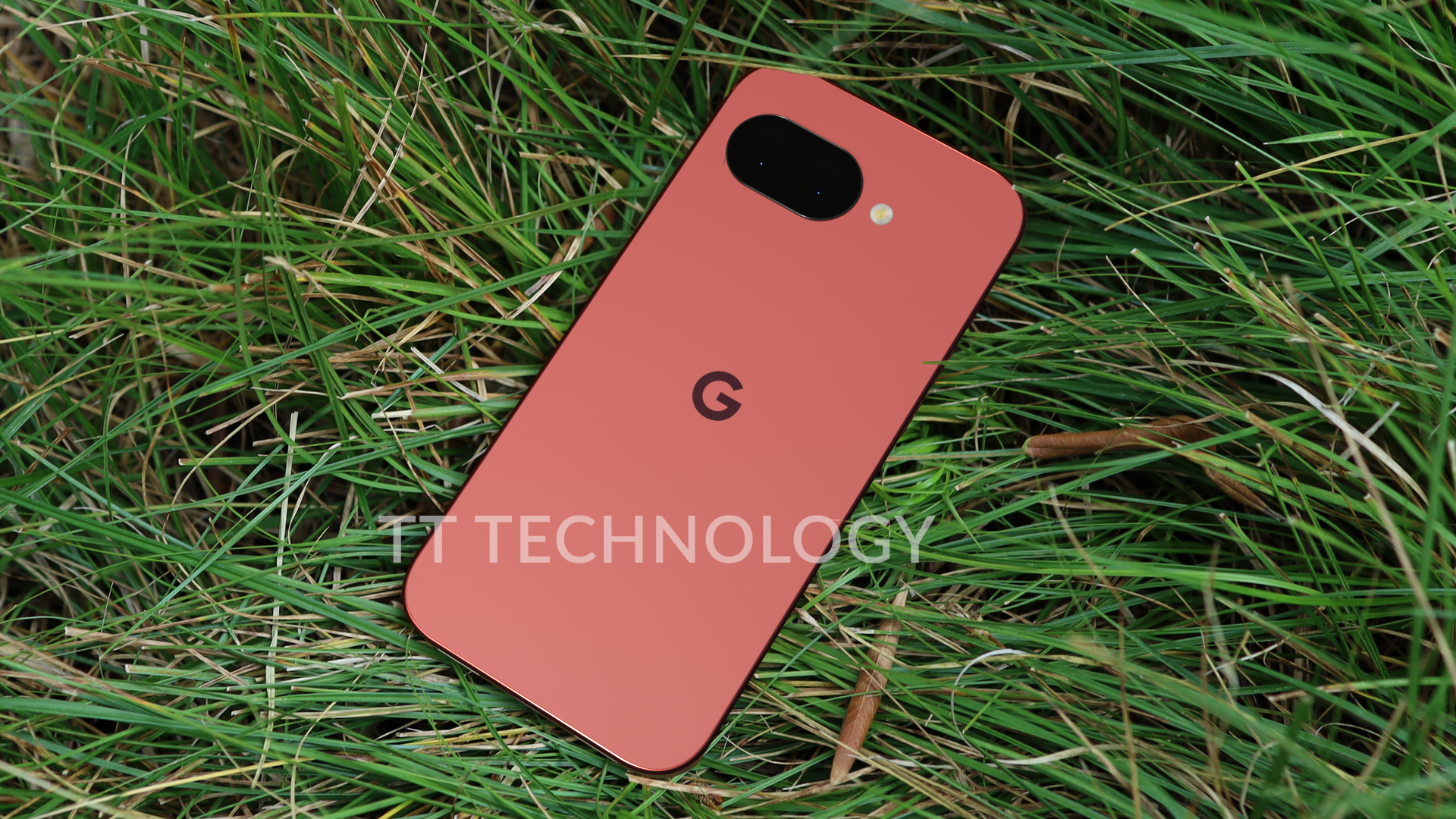
The situation worsened with the Pixel 6a, where multiple devices reportedly caught fire starting in late 2024. At least five units were affected, prompting Google to release a similar battery-nerfing update and offer free replacements. Australian authorities even issued a safety notice regarding this model. More recently, Google acknowledged a battery swelling issue with the Pixel 7a, providing affected users with free battery replacements or financial compensation depending on their region.
Mandatory Battery Health Assistance Feature Raises Further Concerns
Adding to the unease, Google has introduced a Battery Health Assistance feature on the Pixel 9a and Pixel 10 series that cannot be disabled. This feature, unlike optional battery management tools on previous models, throttles battery life and charging speed over time in an effort to prolong battery health. While intended to mitigate battery degradation, the mandatory nature of this feature has been met with scepticism, as it effectively reduces performance and may mask underlying battery issues.
Given this history and the ongoing concerns, many remain wary of investing in the Pixel 10a until there is clear evidence that Google has resolved these persistent battery reliability problems.
What This Means for Potential Buyers
For those considering the Pixel 10a, the decision is complicated by these well-documented battery challenges. Some tech commentators have expressed reluctance to recommend the phone, citing fears of recurring defects and safety risks. The prospect of waking up to a device with battery problems, including overheating or swelling, is understandably off-putting for many.
To regain consumer trust, Google might need to adopt greater transparency regarding battery issues, extend warranty coverage for battery defects, and conclusively address the root causes. Comparisons have been drawn to Samsung’s handling of the Galaxy Note 7 battery crisis, where the company publicly disclosed the causes and took comprehensive corrective actions. Such openness could help Google rebuild confidence among its user base.
Ultimately, while the Pixel 10a’s competitive pricing is appealing, the shadow of past battery problems looms large. Prospective buyers should keep an eye on official announcements and user feedback as the launch approaches to better understand how Google has tackled these challenges.
With the Pixel 10a’s release on the horizon, the coming months will be crucial in determining whether Google can finally overcome its mid-range battery woes and deliver a reliable device that lives up to expectations.