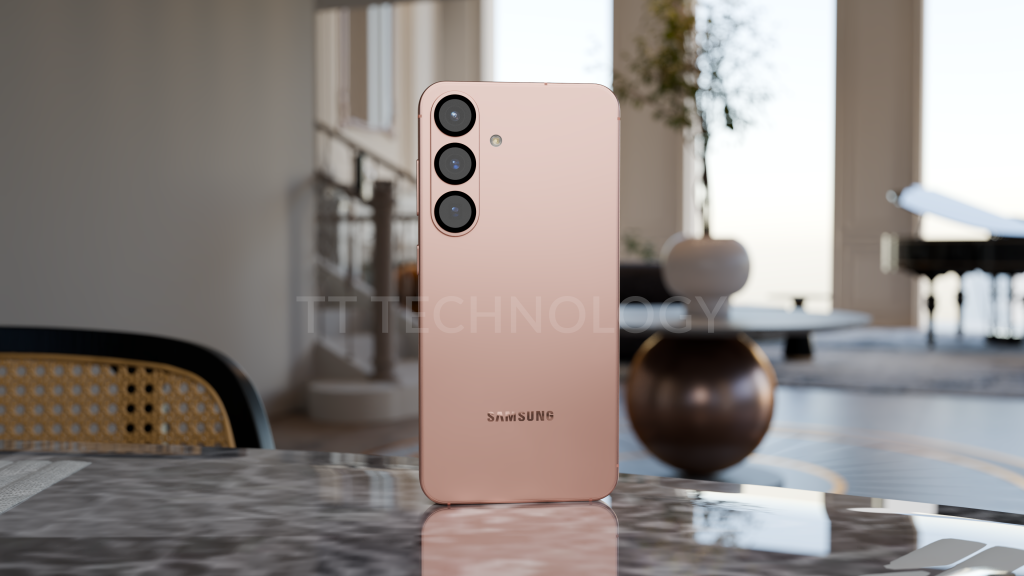
Galaxy S26 Models to Feature Exynos 2600 with External Modem
Some Samsung Galaxy S26 and S26 Plus variants are expected to come equipped with the Exynos 2600 chipset instead of the Snapdragon 8 Gen 2 (also known as Snapdragon 8 Elite Gen 5) processor. This new Exynos chip, recently announced by Samsung, marks a notable departure from previous designs by incorporating an external modem rather than an integrated one. This detail was highlighted by tipster Erencan Yilmaz on X and corroborated by Korean tech outlet The Elec.
Technical Details and Potential Impact on Battery Life
Unlike its predecessors such as the Exynos 2500 used in the Galaxy Z Flip 7 and the Exynos 2200 found in some Galaxy S22 models, which both feature integrated modems, the Exynos 2600 relies on an external Exynos 5410 modem. Samsung Semiconductor has confirmed this architecture, which is significant because external modems generally consume more power than integrated designs. This could potentially lead to shorter battery life on Galaxy S26 models equipped with the Exynos 2600.
However, the Exynos 2600 is built on a cutting-edge 2nm manufacturing process, a step smaller than the Snapdragon 8 Elite Gen 5’s 3nm node. This advancement could help offset the increased power demands of the external modem by enhancing overall efficiency. Additionally, if the external modem itself is produced using a similarly advanced process, its power consumption might be reduced compared to older external modem designs.
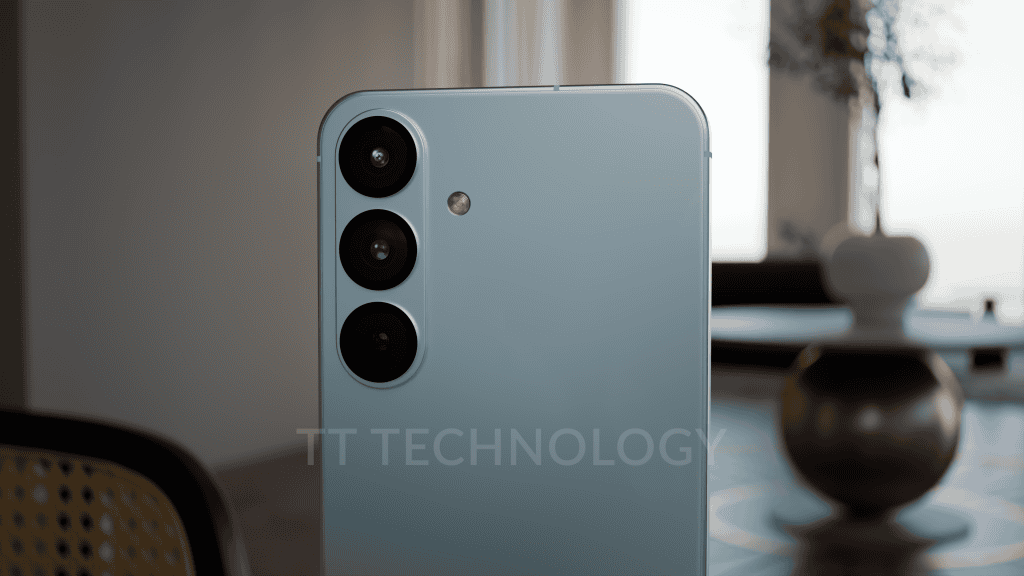
Reasons Behind the External Modem Choice and Chip Features
One reason Samsung might have opted for an external modem is to manage chip size and production costs. Integrating the modem into the main processor typically increases the chip’s complexity and manufacturing expense. By separating the modem, Samsung Semiconductor may be aiming to balance performance, cost, and efficiency.
The Exynos 2600 is no slouch in terms of specifications. It boasts a 10-core CPU configuration with a mix of big and medium cores, an upgraded AMD GPU featuring “neural super-sampling” technology, a powerful neural processing unit (NPU), and Heat Path Block technology designed to improve thermal management. These features suggest Samsung is targeting strong performance and efficiency despite the modem design choice.
What to Expect Going Forward
While the external modem could impact battery endurance, especially during mobile connectivity tasks, the advanced fabrication process and other chip improvements may mitigate these effects. It will be interesting to see how the Exynos 2600-powered Galaxy S26 models perform in real-world usage compared to their Snapdragon counterparts. As Samsung continues to refine its chipset strategy, close attention will be paid to how this external modem design influences user experience.
For more on this development, you can refer to the original report shared by Erencan Yilmaz on X and coverage by The Elec.
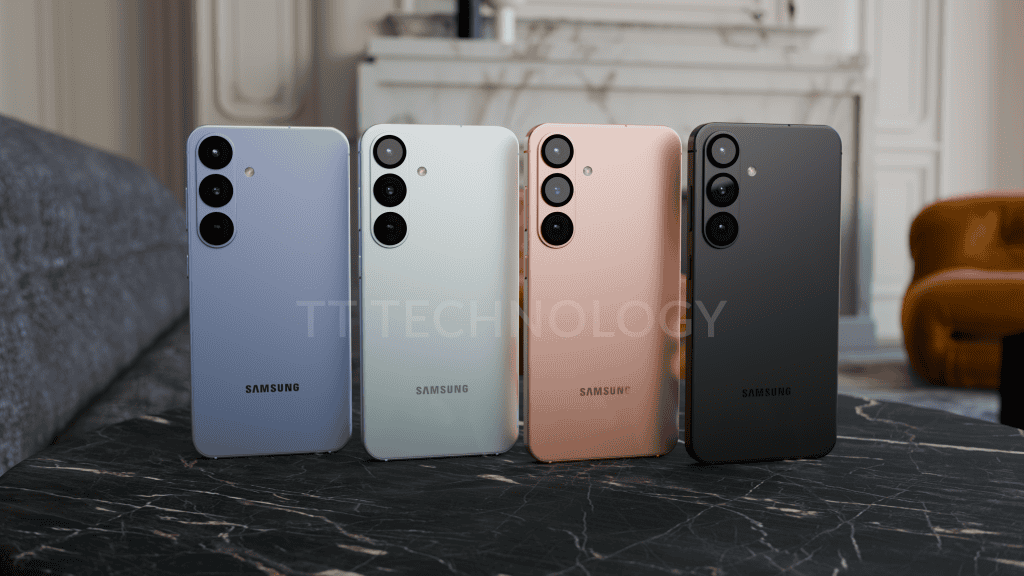
Overall, the introduction of the Exynos 2600 with an external modem represents a notable shift in Samsung’s approach to its flagship processors, and the upcoming Galaxy S26 series will be the first to showcase this change.