Samsung Prepares to Increase Exynos Chip Adoption in Galaxy S27
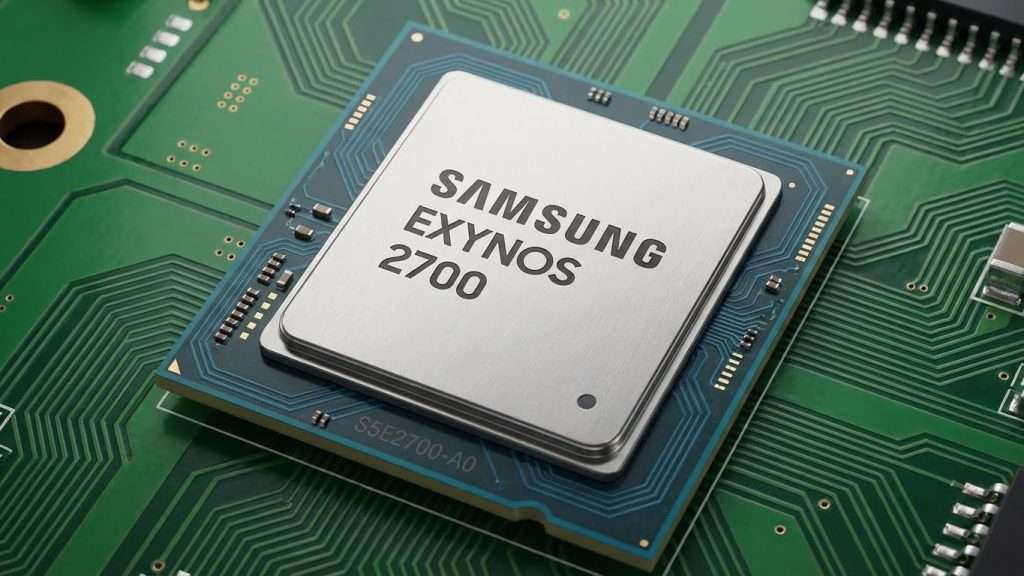
Samsung is reportedly gearing up to significantly expand the use of its in-house Exynos chipsets in the upcoming Galaxy S27 series. According to an analyst cited by the Korea Economic Daily, the Exynos 2700 chipset is expected to enter mass production in the second half of 2026, with Samsung aiming to have it power around 50% of the Galaxy S27 lineup. This marks a substantial increase from the estimated 25% share of the Exynos 2600 in the Galaxy S26 series, signalling a strategic move to reduce reliance on Qualcomm’s Snapdragon processors.
Technical Advances and Production Plans
The Exynos 2700 will be manufactured using Samsung’s advanced 2nm Gate-All-Around (GAA) process, specifically the second-generation 2nm node known as SF2P. The foundry giant has reportedly achieved around 50% yields with this technology, which is a promising sign for mass production. Samsung completed the basic design of this manufacturing process in 2025 and has already encouraged partners to promote the SF2P node, indicating strong confidence in its readiness. These improvements in yield and process technology are expected to not only support the Exynos 2700 but also help Samsung attract new customers and move towards profitability in its foundry business by 2027.
Performance and Specifications Insights
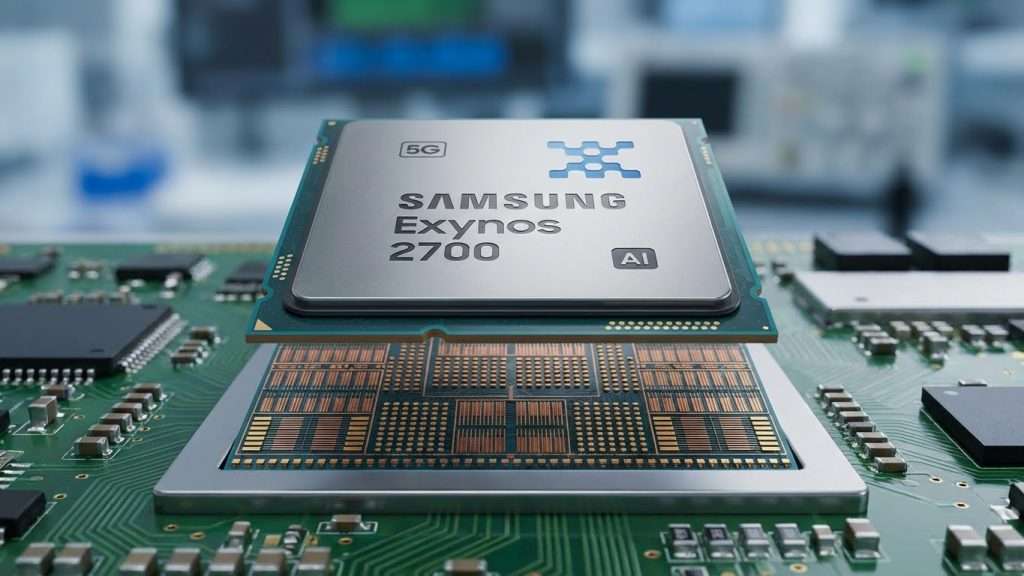
While detailed specifications of the Exynos 2700 remain limited, previous benchmark leaks have hinted at a unique CPU cluster configuration described as ‘4 + 1 + 4 + 1’. This suggests a complex arrangement of cores designed to balance performance and efficiency. Samsung is also planning to transition to its own in-house GPU technology, though this upgrade is anticipated with the subsequent Exynos 2800 rather than the 2700. These developments underline Samsung’s ambition to enhance its chipset capabilities and reduce dependency on third-party suppliers.
Context and Industry Impact
Samsung’s push to increase the Exynos share in its flagship devices comes amid ongoing competition with Qualcomm, whose Snapdragon 8 Elite Gen 5 currently powers the majority of Galaxy S26 models. By boosting Exynos adoption to 50% in the Galaxy S27 series, Samsung aims to reclaim a larger portion of its smartphone’s core components. This strategy aligns with the company’s broader goals for its semiconductor division, which is forecasted to see a 21% year-over-year sales increase, reaching 36.4 trillion won ($24.99 billion) with an operating profit of 1.8 trillion won ($1.2 billion).
Samsung’s advancements in 2nm technology and its ambitious production targets could have significant implications for the smartphone industry, potentially shifting the balance between in-house and external chip suppliers.
Looking Ahead
As Samsung moves closer to mass producing the Exynos 2700, the coming months will be crucial in determining how the Galaxy S27 series shapes up in terms of performance and market reception. Observers should watch for official announcements and further leaks that clarify the chipset’s capabilities and the extent of its integration into Samsung’s flagship devices.