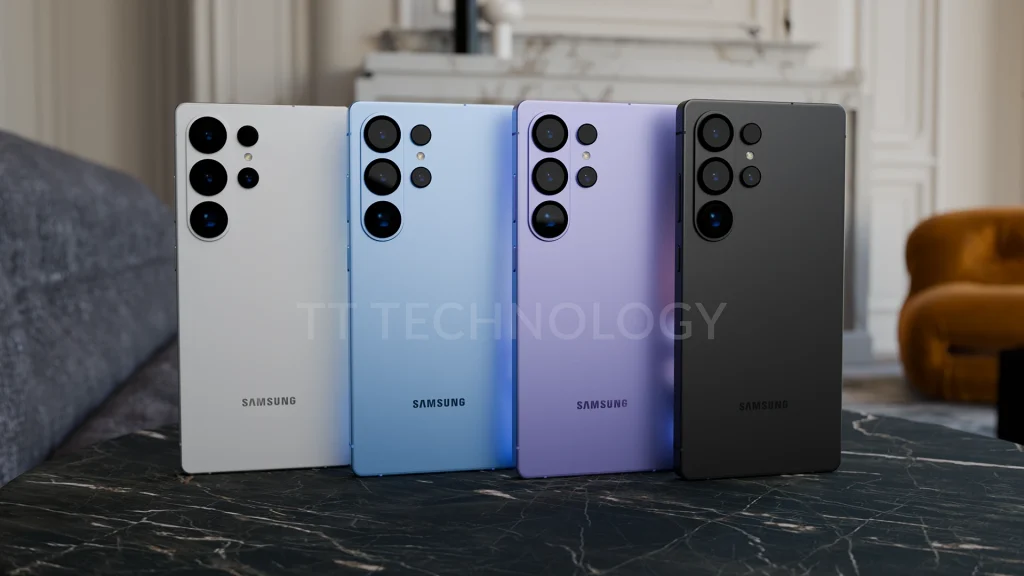
Galaxy S26 Ultra Shows Signs of Supporting Android’s Linux Terminal
Samsung’s upcoming Galaxy S26 Ultra could be set to include a feature that was notably absent from its predecessor, the S25 Ultra. Recent log files obtained from the S26 Ultra reveal that the device supports the Android Virtualization Framework (AVF), a crucial component for running Google’s Linux Terminal feature on Android devices. This development suggests that Samsung’s latest flagship might finally embrace this advanced functionality, which allows Android to run a full Linux environment directly on the device.
Key Specifications and Software Details
The Android Virtualization Framework is essential for enabling the Linux Terminal feature, which Google introduced with Android 16’s second quarterly platform release (QPR2). The Galaxy S26 series is expected to launch with One UI 8.5, a version reportedly based on this Android 16 QPR2 build. This timing aligns perfectly with the inclusion of Linux Terminal support, indicating that the S26 Ultra will be equipped to handle Linux-based development tools, scripting utilities, and applications that typically require a desktop environment.
Such capabilities could significantly enhance the device’s appeal to developers and tech enthusiasts, offering a level of flexibility and power not previously available on Samsung’s flagship phones. The S25 Ultra, despite having compatible hardware, lacked AVF support, which prevented it from running the Linux Terminal feature. The new logs explicitly mention android.software.virtualization_framework, marking a clear shift in Samsung’s approach.
Context and Previous Limitations
When Google introduced the Linux Terminal feature last year, it represented a meaningful advancement in Android’s versatility. However, Samsung’s Galaxy S25 Ultra was among the devices that did not support it, even though it possessed the necessary hardware specifications. This omission left Samsung fans and developers disappointed, especially as Pixel phones and some other Android devices moved forward with the feature.
The inclusion of AVF in the Galaxy S26 Ultra’s system logs is therefore a promising sign that Samsung is addressing this gap. This change could reflect a broader strategy to better cater to power users and developers who seek more advanced functionality from their smartphones.
Looking Ahead
While these findings are based on pre-release log files and nothing is guaranteed until the official launch, the presence of AVF support is an encouraging indication that the Galaxy S26 Ultra will offer enhanced Linux capabilities. If Samsung follows through, this could make the S26 Ultra a more versatile device for users who rely on Linux environments for their workflows.
As the Galaxy S26 series launch approaches, it will be interesting to see how Samsung integrates this feature and whether it becomes a standard part of the flagship experience. For now, developers and enthusiasts should keep an eye on further updates and official announcements.