
Google’s Pixel Design Legacy and the Challenge Ahead
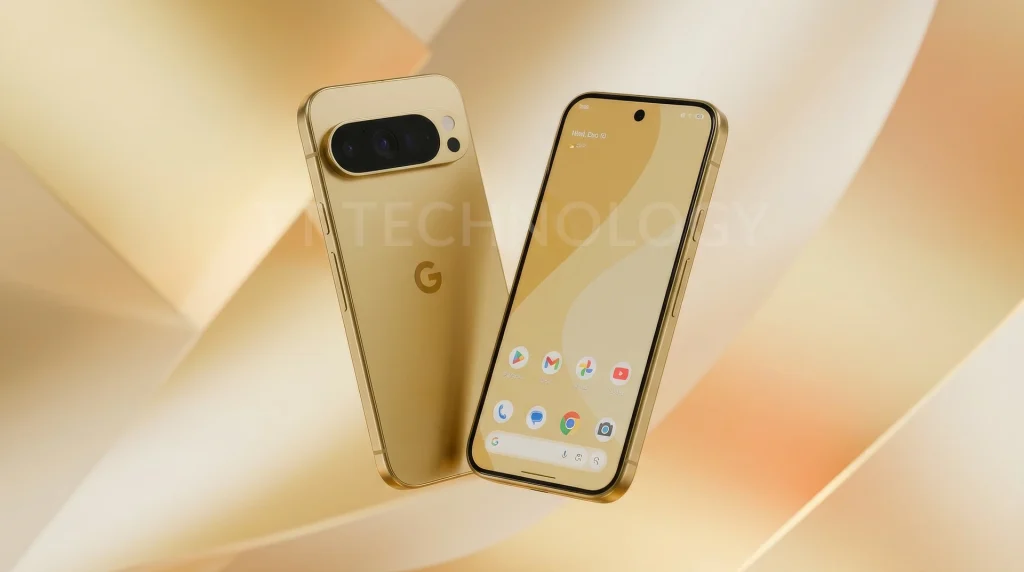
Google has enjoyed a remarkable streak of smartphone design innovation, with every Pixel generation from the Pixel 6 through to the Pixel 9 showcasing significant hardware redesigns. The Pixel 9 and Pixel 10 models, however, share a similar design language, marking a shift from the radical changes seen in earlier models like the Pixel 4 and Pixel 5. Despite this, Google’s Pixel phones remain visually striking, featuring vibrant colour options and the distinctive camera bar that has become an iconic element of the brand’s aesthetic.
Looking forward, Google faces the challenge of maintaining its competitive edge as the company moves towards two- to three-year design refresh cycles, as confirmed by Pixel head Rick Osterloh last year. This suggests that the dramatic, generation-to-generation visual overhauls that fans have come to expect may become less frequent. Instead, Google will need to pivot towards refining and innovating the hardware experience itself to keep pace with rivals.
Hardware Concerns: Weight and Thickness
One of the most pressing issues with the current Pixel hardware, particularly the Pixel 10 series, is its heft and thickness. While the phones are undeniably attractive and well-styled, the physical build leaves something to be desired. The Pixel 10 base model weighs 204 grams, which is notably heavier than competitors such as the Samsung Galaxy S26 and the iPhone 17, which weigh 37 grams and 27 grams less respectively. To put this in perspective, the official Google Pixel 10 silicone case with Pixelsnap magnets weighs approximately 34 grams, meaning that using a case on lighter phones can result in a similar overall weight to a Pixel 10 without a case.
Thickness is another area where the Pixel 10 falls behind. Measuring 8.6mm thick, it is one of the thickest smartphones on the market, even thicker than its predecessor, the Pixel 9, which was already substantial. Google attributes some of this to the inclusion of internal Qi2 magnets, but this does not fully explain the disparity, especially when compared to devices like the iPhone 17, which also includes Qi2 magnets but measures only 7.95mm thick.
The Importance of Hardware Refinement and Innovation
The weight and thickness issues are more than just design quirks; they impact usability. Heavier and thicker phones are harder to hold comfortably for extended periods and can contribute to wrist discomfort. Additionally, a slimmer and lighter phone allows users to add protective cases and magnetic accessories without the device feeling overly bulky.
Beyond physical dimensions, Google’s choice of materials for the Pixel 10 series remains conventional, relying on aluminium and glass. While this combination is tried and tested, many smartphone manufacturers have perfected it to achieve thinner, lighter, and more durable devices. Some brands have even experimented with alternative materials like vegan leather to stand out. Google’s Pixelsnap magnetic system is a welcome addition, but it is not enough to offset the lack of innovation in hardware design, especially when compared to Apple’s longstanding MagSafe technology.
What Google Needs to Do for the Pixel 11
Google’s strength lies in software, with its Pixel devices often leading the pack in AI tools and overall optimisation. However, hardware shortcomings risk undermining this advantage. The Pixel 10’s Lemongrass colourway and styling are widely praised, but the in-hand experience falls short compared to rivals from Samsung and Apple, who have maintained more consistent hardware refinement over multiple generations.

For the Pixel 11 series, Google must prioritise making its phones thinner and lighter without compromising on features or battery life. This involves mastering the materials it uses or innovating with new ones to improve durability and feel. Without such improvements, even the best software won’t be enough to convince users to choose Pixel as their daily driver.
Looking Ahead
As Google prepares to launch the Pixel 11, the spotlight will be on whether the company can address these hardware concerns. Achieving a balance between design optimisation and software excellence could elevate Pixel phones to the top tier of smartphones. If Google succeeds, the Pixel 11 could well become the best choice for many users. If not, it may struggle to retain its appeal in an increasingly competitive market.
For more insights on upcoming Pixel developments, keep an eye on emerging leaks and official announcements.