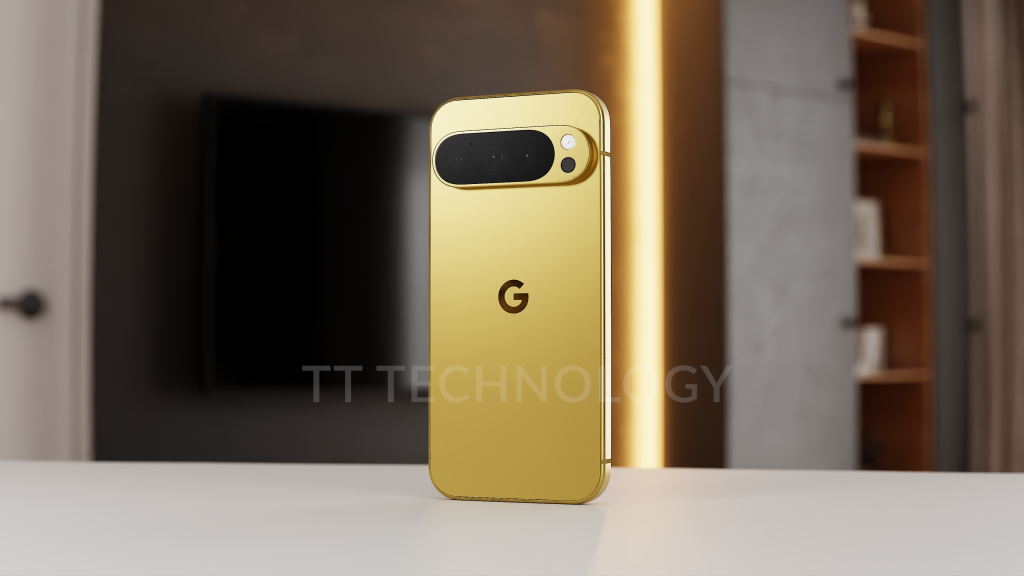
Google Advances Face Unlock Technology for Pixel 11
Google is reportedly developing an advanced face unlocking system for its upcoming Pixel 11 series, aiming to match the performance of Apple’s renowned Face ID. This new technology, internally referred to as Project Toscana, promises to deliver fast and reliable facial recognition without the need for any additional visible sensors on the front of the Pixel phones. A source who has allegedly tested the feature suggests it works seamlessly in various lighting conditions, including low ambient light, which has traditionally been a challenge for facial recognition systems.
Key Features and Technical Insights
While it remains unclear whether Google’s face unlock employs infrared technology similar to Apple’s Face ID, there are indications that if it does, the infrared components could be discreetly integrated beneath the display. This approach aligns with rumours surrounding Apple’s future iPhone 18 Pro and Pro Max models, which are also expected to hide IR sensors under the screen. The Pixel 11’s design is said to closely resemble the Pixel 10, but the critical improvement lies in the enhanced facial recognition capabilities that function reliably regardless of lighting conditions.
Interestingly, Google is not limiting this innovation to smartphones alone. The company is reportedly testing the same face unlock technology on certain Chromebook models, signalling a broader strategy to enhance device security across its ecosystem.
Context and Previous Rumours
Last year, rumours suggested that Google intended to introduce infrared-based face unlocking with the Pixel 11 family. This new leak appears to confirm those plans, highlighting significant progress in the technology’s development. Unlike Apple’s Face ID, which relies solely on facial recognition, Pixel devices will continue to offer fingerprint scanning as an alternative biometric option. However, having a robust and fast face unlock system that performs well in all lighting environments will provide users with greater flexibility and convenience.
What to Expect Next
As Google moves closer to launching the Pixel 11 series, this face unlock technology could become a standout feature, elevating the security and user experience of its flagship phones. Fans and potential buyers should watch for official announcements and hands-on impressions to see how Project Toscana performs in real-world scenarios. Additionally, the expansion of this technology to Chromebooks may signal a new wave of biometric security enhancements across Google’s hardware lineup.
Overall, Google’s push to develop face unlocking on par with Apple’s Face ID marks a significant step forward in smartphone security and convenience, potentially reshaping expectations for biometric authentication on Android devices.