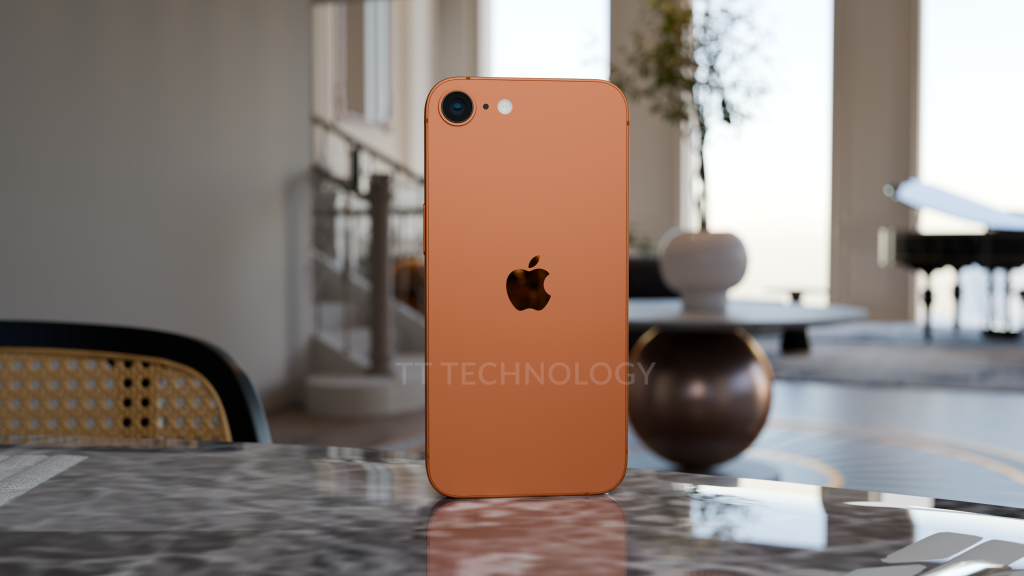
Apple’s iPhone 17e May Maintain Affordable Pricing
Amid widespread price increases in the smartphone market, largely driven by soaring costs of NAND flash and DRAM memory, Apple appears to be taking a different approach with its upcoming iPhone 17e. Recent rumours suggest that Apple has achieved significant supply chain efficiencies for this budget-friendly model, potentially allowing the company to keep prices stable or even reduce them, bucking the trend set by many competitors.
Key Specifications and Cost-Saving Components
The iPhone 17e is expected to share many components with its predecessor, the iPhone 16e, which helps Apple save on production costs. Notably, the device will feature the A19 chip—the same system-on-chip used in the base iPhone 17 model—and the C1 5G modem. Introduced with the iPhone 16e last year, the C1 modem is estimated to save Apple around $10 per unit compared to Qualcomm’s baseband chips, contributing to overall cost reductions.
Another notable change is the shift from the traditional notch design to the Dynamic Island interface, aligning the iPhone 17e with Apple’s more premium models. However, instead of using the pricier LTPO OLED panels found in flagship devices, the iPhone 17e will employ BOE’s LTPS OLED displays. Although BOE’s panels have faced criticism regarding quality and supply reliability, their lower cost compared to Samsung or LG alternatives could be a key factor in keeping the iPhone 17e’s price in check.

Context Behind the Pricing Strategy
The global memory shortage has pushed prices for NAND and DRAM up by approximately 70% and 100%, respectively, which has forced many smartphone makers to raise retail prices. However, Apple’s strategy appears to cleverly balance these increased costs by leveraging more affordable components such as BOE’s OLED panels and the cost-efficient C1 modem. While Apple continues to pay Qualcomm billions for 5G licensing, the switch to its own or more economical components helps absorb the memory price surge without passing the full increase onto consumers.
According to a detailed report on naver blog, Apple’s supply chain improvements are not solely about new parts but also about optimising existing component arrangements to reduce expenses. This approach could allow the iPhone 17e to launch at the same $599 price point as the iPhone 16e in the US, or potentially even lower, despite the challenging market environment.
What to Expect Next
The iPhone 17e is rumoured to enter mass production shortly after CES 2026, signalling that a launch could be on the horizon in the first half of next year. While the supply chain efficiencies and component choices are promising signs for consumers hoping for affordable iPhone options, it remains to be seen how these factors will ultimately influence the final retail price. Observers will be keen to see if Apple can maintain its competitive edge in pricing without compromising on key features.
Overall, Apple’s ability to optimise its supply chain and component sourcing could set the iPhone 17e apart from many rivals facing steep cost pressures, making it a device worth watching as more details emerge.
Source: Naver