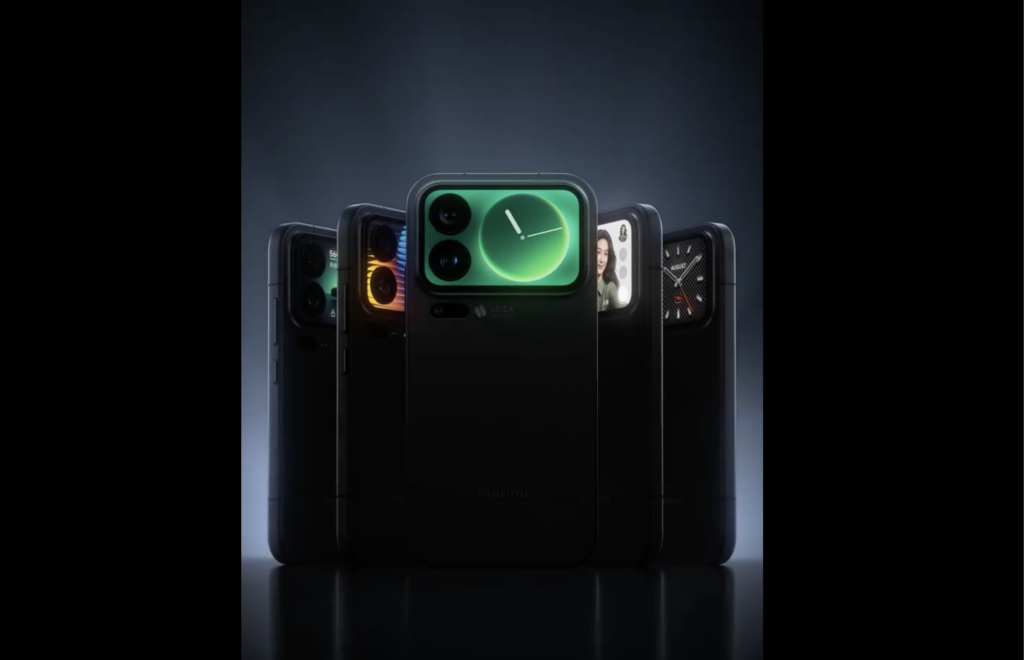
Xiaomi 17 Air Prototype Revealed in Leak
A recently surfaced leak has unveiled a prototype of the Xiaomi 17 Air, a device that was reportedly cancelled due to poor market reception of ultra-slim flagship smartphones. Shared by renowned tipster Ice Universe on X, the video showcases a remarkably thin chassis measuring just 5.5mm, making it even slimmer than Apple’s iPhone Air. Despite its slender profile, the Xiaomi 17 Air would have featured a dual rear camera setup, setting it apart from competitors that rely on a single sensor.
The prototype’s design emphasises sleekness without sacrificing camera capabilities, with a 6.59-inch display and a noticeable rear camera bump to accommodate the dual sensors. Wireless charging support is also visible on the rear, indicating Xiaomi’s intent to maintain premium features alongside the ultra-thin frame.
Breaking
— Ice Universe (@UniverseIce) January 10, 2026
This was a prototype of the Xiaomi 17 Air that was eventually canceled. It featured a 6.59-inch display and an ultra-thin 5.5 mm body. It actually looked quite good, but unfortunately the project was dropped.
As everyone can see, the iPhone Air hasn’t been a strong… pic.twitter.com/wsGLlrpGWy
Key Features and Specifications
One of the standout aspects of the Xiaomi 17 Air is its use of a silicon-carbon battery, a technology that Xiaomi has been exploring to improve battery life and efficiency. This would have potentially given the device an edge over rivals such as the iPhone Air and Samsung Galaxy S25 Edge, both of which have struggled to balance slim designs with battery endurance.
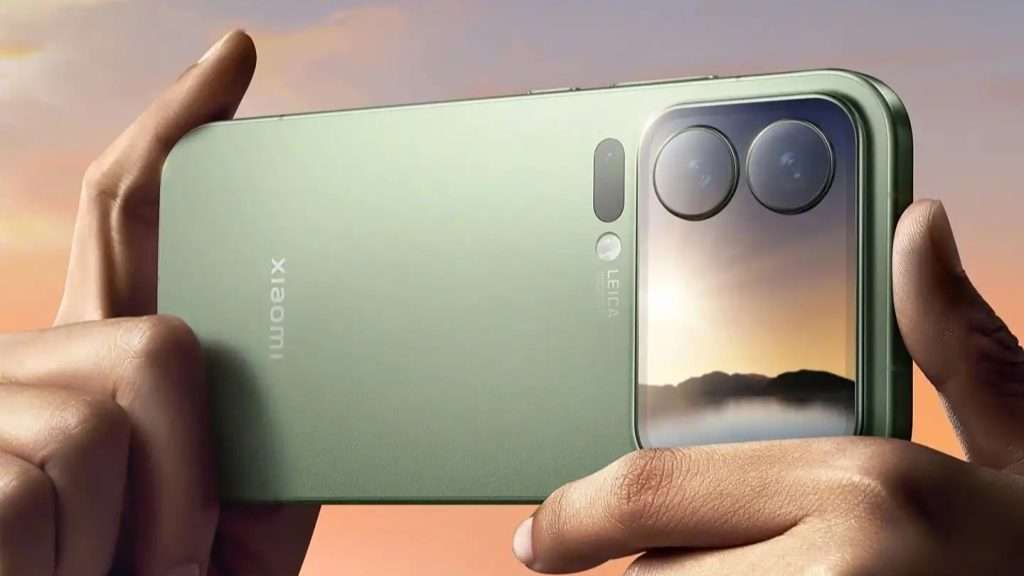
While Apple’s iPhone Air relies heavily on advanced computational photography with a single main camera, Xiaomi’s inclusion of a second rear sensor suggests a focus on versatile photography options. The 6.59-inch screen size positions the 17 Air comfortably within the large-screen flagship category, appealing to users who want a slim device without compromising on display real estate.
Context and Market Reception
The trend towards ultra-thin flagship phones, initiated by brands like Apple with the iPhone Air and Samsung with the Galaxy S25 Edge, has not been met with widespread consumer enthusiasm. The iPhone Air, for example, initially sold out in China but quickly saw demand decline, leading to a reduction in shipment forecasts by one million units and eventual production cuts. This lukewarm reception has caused manufacturers, including Xiaomi, to reconsider their strategies.
Xiaomi has a history of drawing inspiration from Apple’s design language and software features, and the 17 Air’s design reflects this influence. However, the project was ultimately shelved, likely due to concerns over replicating the underwhelming sales performance seen with similar slim flagships. Previous battery tests have also highlighted challenges; for instance, the Xiaomi 17 Pro Max, despite having a 55% larger battery than the iPhone 17 Pro Max, only marginally outlasted Apple’s device, underscoring the importance of software optimisation in battery life.
What’s Next for Ultra-Thin Flagships?
Although the Xiaomi 17 Air’s ultra-slim design and dual camera setup made it an intriguing concept, the market’s current appetite for such devices appears limited. Ice Universe suggests that smartphones like the 17 Air could make a comeback in the future when manufacturers find a better balance between aesthetics and functionality. For now, the focus may shift back towards devices that prioritise battery life and user experience over extreme thinness.
As the smartphone industry continues to evolve, it will be interesting to see how brands adapt their flagship designs to meet consumer expectations without compromising on performance or usability.