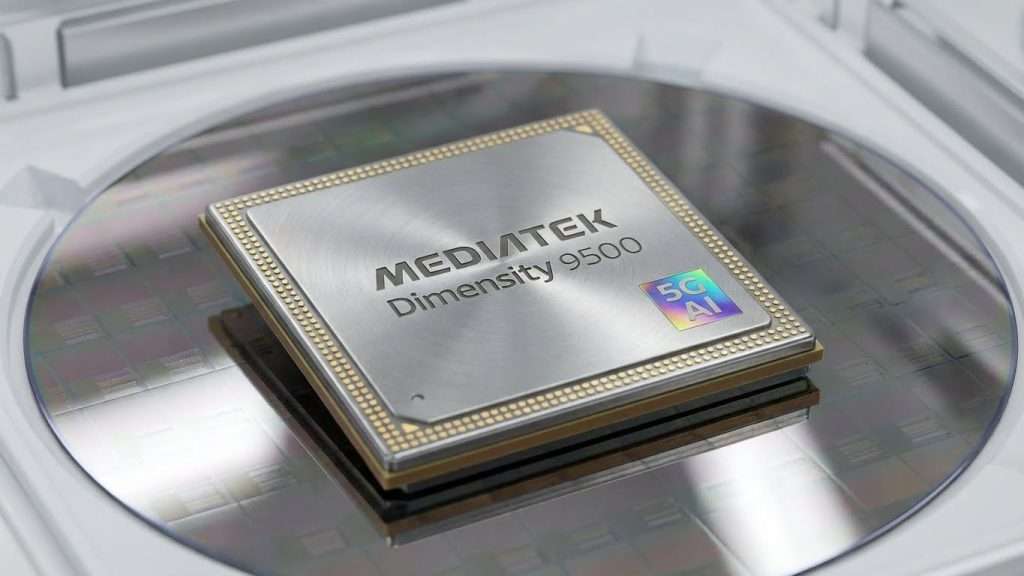
MediaTek Maintains Lead Amidst Declining Chipset Shipments
According to recent analysis from Counterpoint Research, MediaTek is set to remain the dominant force in global smartphone chipset shipments throughout 2026. While the overall volume of shipments is expected to decline by around 7% due to rising DRAM prices linked to ongoing shortages, MediaTek is projected to hold a healthy market share of approximately 34%, a slight dip from 34.4% in 2025. This positions the Taiwanese semiconductor firm ahead of competitors like Qualcomm and Apple, who are also facing shipment declines but continue to benefit from premium device sales.
Key Specifications and Market Trends
The decline in chipset shipments is largely attributed to increased DRAM costs, which have affected production volumes across the industry. Nevertheless, Counterpoint Research forecasts that system-on-chip (SoC) revenue will experience double-digit growth in 2026, driven by a surge in premium smartphone sales. It is anticipated that one in every three smartphones shipped next year will fall into the premium category, boosting revenue for manufacturers despite lower unit shipments.
MediaTek recently announced the successful tape-out of its 2nm Dimensity 9600 SoC, though the company is expected to continue using ARM-designed CPU cores rather than developing in-house designs this year. This strategy allows MediaTek to price its flagship chips more competitively compared to Qualcomm, which could encourage smartphone makers to adopt the Dimensity 9600 in their high-end models to manage rising component costs.

Industry Context and Competitor Insights
The smartphone chipset market is also witnessing significant advancements as companies prepare for the next generation of processors. Samsung has unveiled the Exynos 2600, the world’s first 2nm Gate-All-Around (GAA) chipset, aiming to regain market traction. Meanwhile, Apple is reported to have secured over half of TSMC’s initial 2nm production capacity for its upcoming A20 and A20 Pro chips, underscoring its commitment to cutting-edge silicon technology.
Despite shipment declines, both Apple and Qualcomm are expected to capitalise on the premiumisation trend, where consumers increasingly opt for high-end devices featuring advanced silicon such as the A-series and Snapdragon processors. This trend, combined with rising memory prices and the growing integration of AI-enabled features in smartphones, is expected to fuel overall SoC revenue growth in the coming year.
Looking Ahead
As the smartphone industry navigates through component shortages and cost pressures, MediaTek’s competitive pricing and timely rollout of advanced chipsets like the Dimensity 9600 position it well for continued leadership in the chipset market. Meanwhile, the premium segment remains a bright spot for Apple and Qualcomm, who are poised to benefit from consumer demand for top-tier devices. Observers should watch how the adoption of 2nm technology and the ongoing premiumisation trend shape the competitive landscape in 2026.
For more insights and updates on smartphone chipset developments, the detailed analysis from Counterpoint Research offers a valuable perspective on the evolving market dynamics.