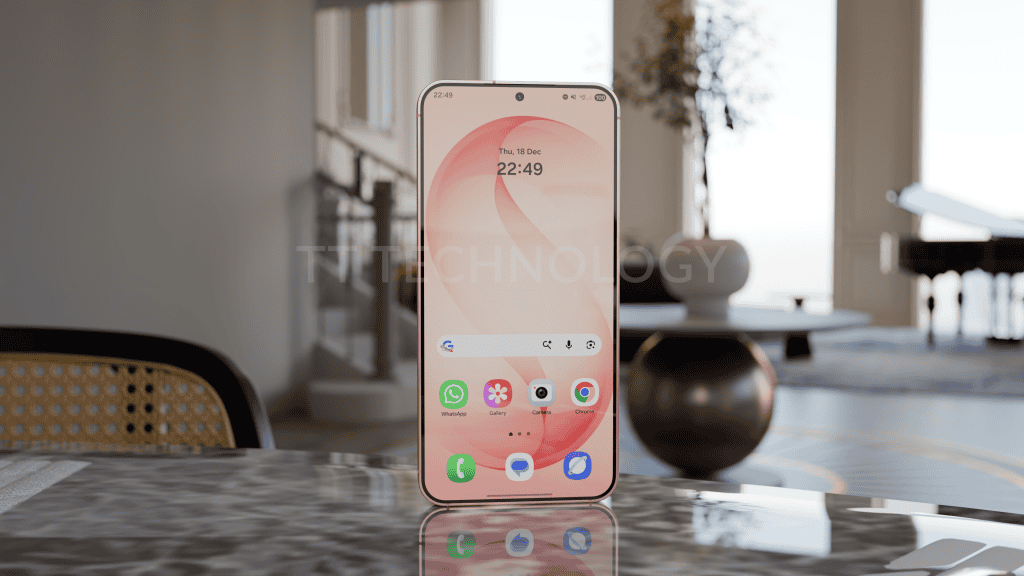
Where Are Samsung Phones Actually Made?
Contrary to popular belief, the majority of Samsung smartphones are not manufactured in South Korea, the company’s home country, nor primarily in China, often dubbed the world’s factory. Instead, Samsung relies heavily on production facilities in Vietnam and India to meet global demand. This strategic choice reflects Samsung’s complex and highly integrated manufacturing approach, which differs significantly from many other smartphone brands.
According to the IDC, the latest details have emerged.
Samsung produces around 223 million phones annually, making it the largest Android smartphone manufacturer worldwide. Approximately half of these devices come from Samsung’s extensive factories in Vietnam, particularly in the Thai Nguyen and Bac Ninh provinces. These sites serve as the company’s main manufacturing hubs, supplying major markets such as North America and Europe. In fact, Samsung’s Vietnamese factories reached a remarkable milestone in August 2025, having produced over two billion handsets since their inception in 2009.
Key Manufacturing Hubs and Their Roles
India hosts Samsung’s largest smartphone factory, located in Noida, capable of producing up to 120 million units per year. Initially intended to cater to India’s vast domestic market, this facility has evolved into a significant export centre, shipping devices to Western countries. Meanwhile, South Korea’s production volume is relatively modest, accounting for less than 10% of Samsung’s total output, or around 20 million units annually. The South Korean plants predominantly focus on high-end flagship models like the Galaxy Z Fold 7 and devices tailored for the local market.
Samsung also maintains factories in Brazil and Indonesia, where local manufacturing helps circumvent steep import taxes and regulatory challenges. These facilities enable Samsung to offer competitively priced phones in these large regional markets and ensure faster delivery times to local consumers.
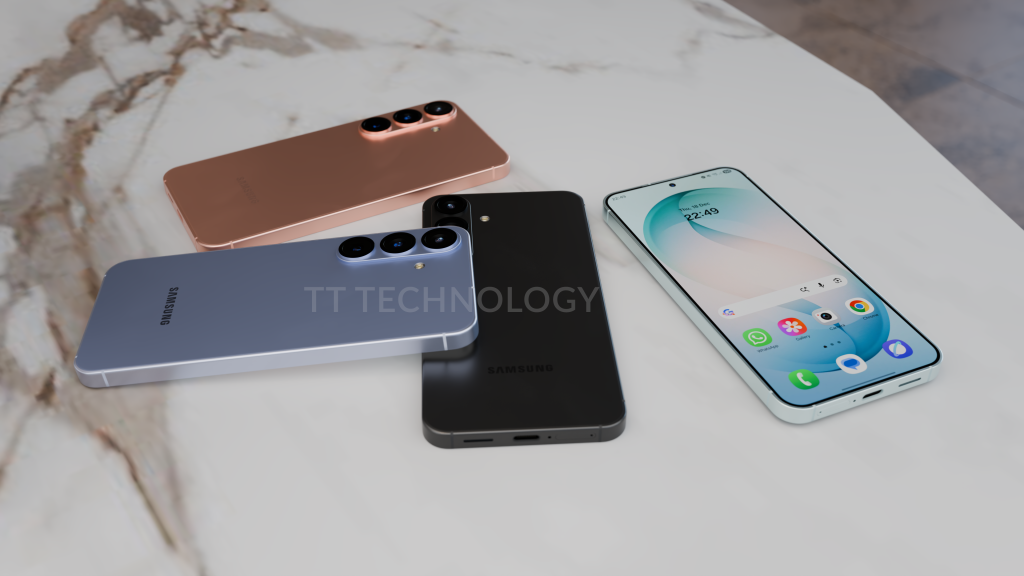
The Role of China and Outsourcing Strategy
While Samsung phones are indeed made in China, the company does not directly own these manufacturing plants. Instead, about a quarter of Samsung’s annual production—over 60 million units—is outsourced to Chinese Original Design Manufacturers (ODMs) such as Wingtech. Unlike traditional outsourcing, these ODMs handle the entire design and assembly process based on Samsung’s specifications. Samsung then audits the finished products to ensure they meet its quality and aesthetic standards before distribution.
This outsourcing model is primarily applied to budget-friendly devices, including certain Galaxy M and A series models. It allows Samsung to leverage the cost efficiencies and manufacturing expertise of Chinese ODMs to compete effectively against local rivals by keeping prices low.
Why Samsung Spreads Manufacturing Across Multiple Countries
Samsung’s global manufacturing footprint is driven by several strategic considerations. Firstly, spreading production across various countries mitigates risks associated with natural disasters, labour strikes, or other disruptions that could halt operations if concentrated in a single location. This diversification ensures a more resilient supply chain.
Secondly, local manufacturing helps Samsung avoid high import tariffs imposed by countries such as Brazil and Indonesia. By producing phones domestically in these regions, Samsung can offer more competitive prices and faster delivery to consumers. Additionally, government initiatives like India’s “Make in India” encourage companies to establish local production, often providing financial incentives.
Finally, diversifying manufacturing locations helps Samsung navigate the complexities of international trade tensions. By not relying solely on one country, Samsung can shift production to other facilities if tariffs or trade restrictions arise, minimising potential financial impacts.
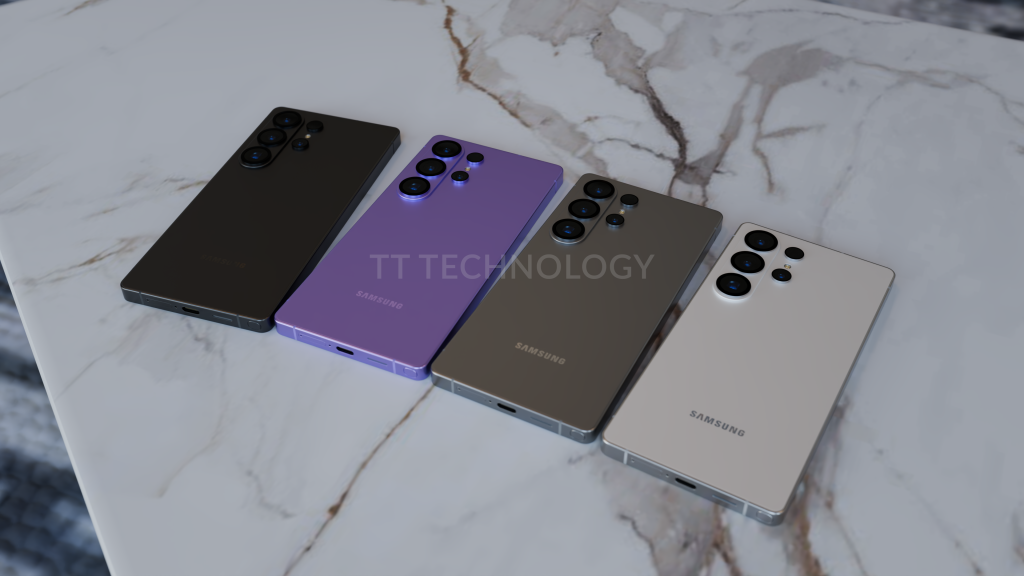
Samsung’s Unique Manufacturing Approach
Unlike many smartphone brands that outsource most of their production, Samsung is highly vertically integrated. It designs and manufactures many core components in-house, including displays, memory chips, Exynos processors, camera sensors, and batteries. This vertical integration extends to assembly, with Samsung handling the majority of final device assembly in its own factories. However, the company does rely on external partners for some components, such as Qualcomm Snapdragon processors and Corning Gorilla Glass.
This comprehensive control over production allows Samsung to maintain high standards and innovate rapidly, setting it apart in the competitive smartphone market.
Looking Ahead
Samsung’s diversified manufacturing strategy demonstrates a careful balance between in-house production and strategic outsourcing, optimised to meet global demand efficiently while managing risks and costs. As the smartphone market evolves, it will be interesting to see how Samsung continues to adapt its production footprint in response to geopolitical and economic changes.
For those curious about where their Samsung phones come from, it’s clear that Vietnam and India play pivotal roles in the company’s global supply chain, far more than many might expect.