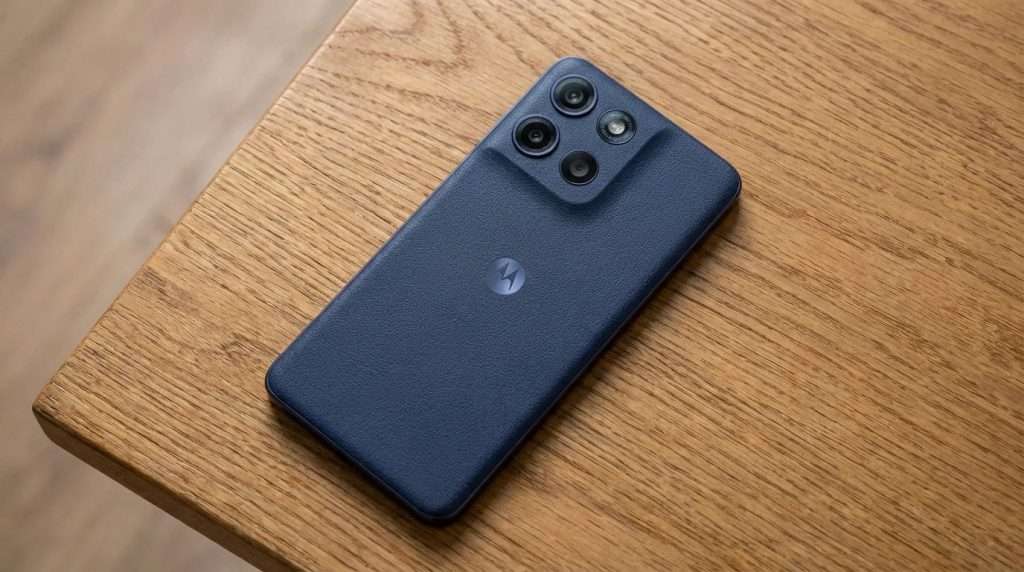
Motorola’s Moto G17 Launches Without Any Android OS Updates
Motorola has recently unveiled the Moto G17, a budget-friendly handset priced at around £150 in the UK, but it has stirred controversy due to its software update policy. Unlike typical Motorola devices, which usually receive at least two Android OS upgrades, the Moto G17 is set to receive zero major Android updates. This means that while it will get security patches for two years, it will never be upgraded to newer Android versions.
The Moto G17 features a 6.7-inch 1080 x 2400 IPS display, a 50MP primary camera, a 5,200mAh battery, and is powered by the MediaTek Helio G81 chipset. Despite these decent specifications for its price range, the lack of any promised Android OS upgrades has left many fans and critics disappointed.
Shipping with Outdated Software Despite Recent Android Releases
Adding to the frustration, the Moto G17 ships with Android 15, even though Android 16 has been available since June 2025. The phone was released on 29 January 2026, making it puzzling that Motorola chose to launch it with an Android version that has been superseded by a newer iteration. This decision has been seen as particularly anti-consumer, as buyers receive a device that is already nearly two generations behind in terms of software.
Motorola’s approach here contrasts sharply with some of its recent efforts. For example, in September 2024, the company launched its first phone promising five years of Android updates, and the upcoming Motorola Signature model is set to offer seven years of updates. These moves suggested a shift towards better software support, but the Moto G17’s zero-update policy feels like a step backward.
Longstanding Update Issues and Growing Discontent
Motorola has historically struggled with software updates, often providing limited support both in terms of update frequency and duration. While the company’s hardware, especially in budget segments like the Moto G series and foldable Razr line, has been well-regarded, software support has remained a persistent weak point. Many users have tolerated this due to Motorola’s competitive pricing and solid hardware, but the Moto G17’s update stance appears to have crossed a line for some.
Fans and tech commentators alike have expressed their disappointment, with some long-time Motorola supporters reconsidering their loyalty. The decision to release a phone with no OS upgrades and outdated software has been described as “damning” and “anti-consumer,” signalling a potential shift in how customers view Motorola’s commitment to its user base.
What Lies Ahead for Motorola and Its Customers?
The Moto G17’s release raises important questions about Motorola’s future software update policies and overall customer care. While the company is making strides with flagship models offering extended update support, its budget offerings appear to be lagging behind. Consumers and fans will be watching closely to see if Motorola can reconcile these inconsistencies and deliver a more unified update strategy across its range.
For now, the Moto G17 serves as a stark reminder that software support remains a critical factor when choosing a smartphone. Those considering Motorola devices may want to weigh the hardware benefits against the likelihood of limited software updates, especially in the budget segment.
As the smartphone market continues to evolve, software updates remain a key component of user experience and device longevity. Motorola’s next moves in this area will be crucial in regaining trust from its fanbase and maintaining competitiveness in a crowded Android market.