Intel May Have Landed MediaTek as a Client for Its 14A Process
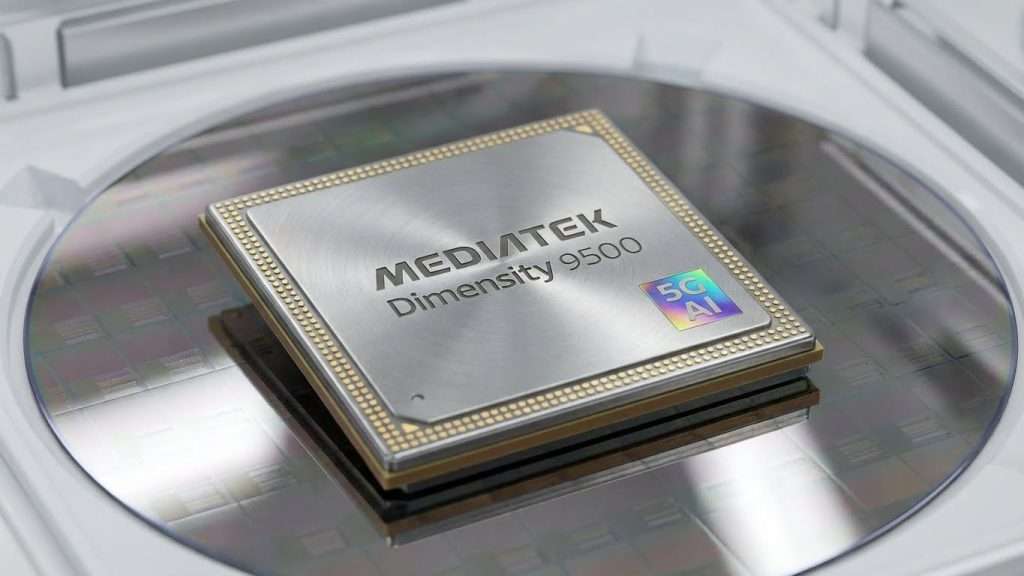
A recent rumour has emerged suggesting that Intel might have secured MediaTek as a customer for its cutting-edge 14A semiconductor manufacturing process. This development, if true, would mark a significant milestone for Intel’s advanced node technology, which is still in its early stages. The report, shared by the leaker Meng on Twitter, indicates that MediaTek’s Dimensity chips could be fabricated using Intel’s 14A process, potentially boosting Intel’s credibility in the mobile chip market.
Technical Challenges and Features of Intel’s 14A Process
Intel’s 14A node incorporates a novel technology called Backside Power Delivery (BSPD), which aims to enhance performance by powering chips through shorter, thicker metal paths on the backside of the silicon. This design reduces voltage drop and allows for higher and more stable operating frequencies. Additionally, BSPD frees up routing tracks on the front side of the chip, which can increase transistor density or reduce congestion and wire length. However, this approach also introduces a higher Self-Heating Effect (SHE), which can negatively impact thermal performance and necessitate improved cooling solutions.
Given these technical complexities, integrating Intel’s 14A process into mobile SoCs like MediaTek’s Dimensity series is not straightforward. The performance benefits, while present, are relatively modest, and the thermal challenges could pose hurdles. Nonetheless, Intel may be exploring innovative methods to mitigate these issues, which would be crucial if MediaTek’s chips are indeed produced using this process.
Context: Intel’s Advanced Nodes and Apple’s Interest
This rumour arrives amid other reports of Intel’s growing influence in the semiconductor manufacturing space. Notably, Apple is said to be evaluating Intel’s 18A-P process for its lower-end M-series chips expected to launch in 2027, as well as for non-Pro iPhone chips in 2028. Apple has already signed a non-disclosure agreement with Intel and obtained process design kits (PDKs) for the 18A-P node, which supports advanced packaging techniques like Foveros Direct 3D hybrid bonding. This technology allows stacking multiple chiplets vertically, improving performance and efficiency.
The potential collaboration with MediaTek would complement Intel’s efforts to attract major clients beyond Apple, signalling a broader strategy to establish its foundry services in the competitive mobile chip market.
What to Watch For Next
While the prospect of MediaTek adopting Intel’s 14A process is exciting, it remains unconfirmed and should be treated with caution. If verified, this partnership could open doors for Intel to secure additional customers and strengthen its position in advanced semiconductor manufacturing. Industry watchers will be keen to see official announcements or further credible leaks that clarify the extent of Intel’s collaborations with MediaTek and other chipmakers. For now, the rumour adds an intriguing chapter to the evolving story of Intel’s foundry ambitions.
For more updates on this developing story, follow the latest insights from trusted sources in the semiconductor industry.