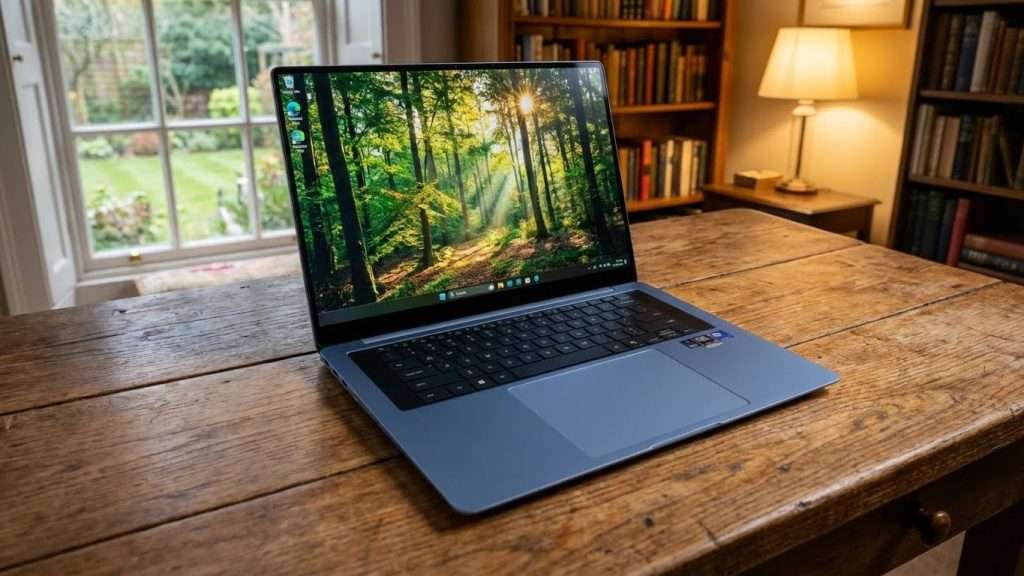
Samsung and Intel Introduce SmartPower HDR Technology
At CES 2026, Samsung and Intel jointly revealed their latest innovation, SmartPower HDR, a technology designed to significantly reduce power consumption on OLED laptop displays without compromising HDR quality. This advancement promises to extend battery life by dynamically adjusting the panel’s voltage based on the real-time content being shown, marking a notable improvement over traditional fixed-voltage HDR systems.
How SmartPower HDR Enhances Efficiency
SmartPower HDR works by tailoring the voltage delivered to OLED pixels according to the brightness and colour requirements of the content. For everyday tasks such as web browsing or document editing, the technology lowers voltage levels, reducing energy use. Conversely, when displaying high-definition video or gaming content that demands greater brightness, the voltage is increased appropriately. This dynamic adjustment contrasts with conventional HDR modes that maintain a constant high voltage regardless of content, often leading to unnecessary power drain.
In practical terms, SmartPower HDR can cut OLED panel power consumption by up to 22% during standard SDR use and by around 17% when viewing HDR content. Importantly, these savings come without sacrificing the vividness and brightness that users expect from HDR displays, maintaining a visual experience comparable to standard OLED HDR configurations.
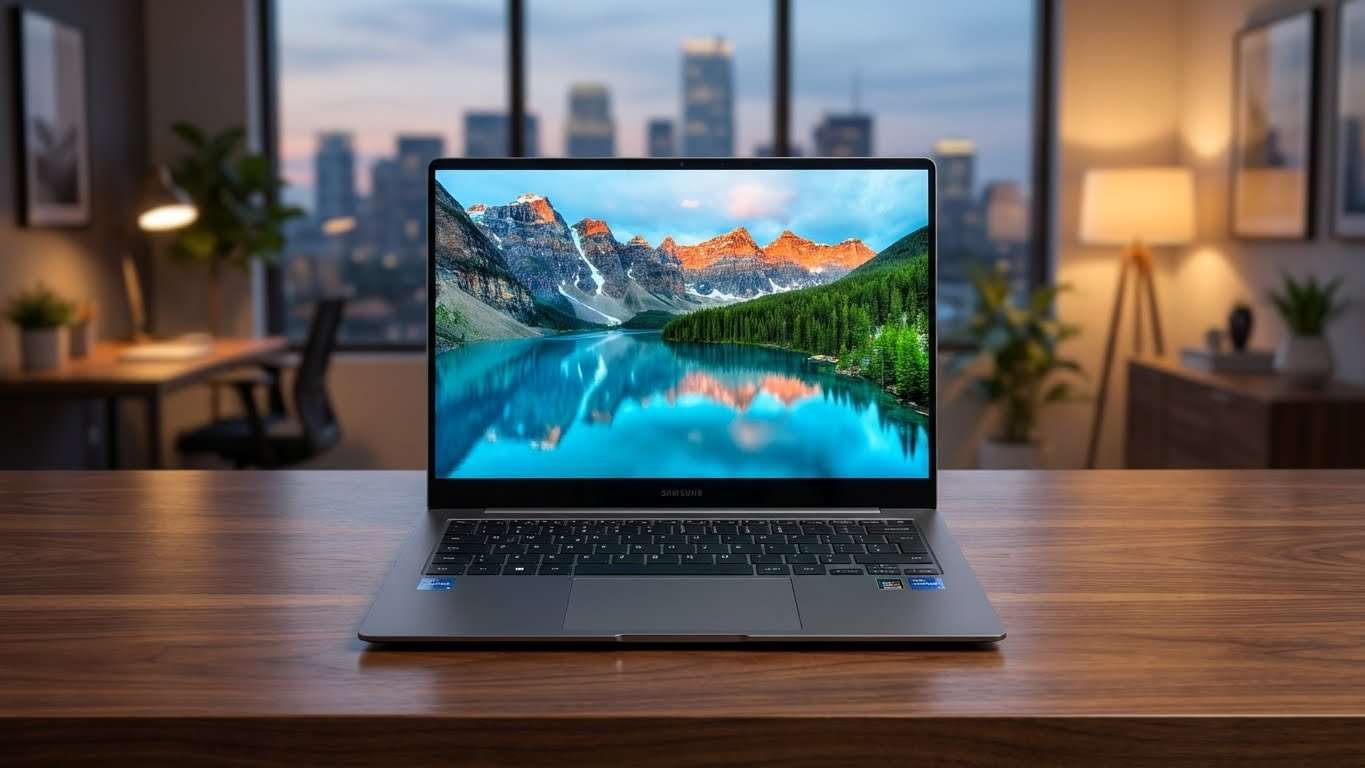
Background and Previous Demonstrations
Intel previously showcased SmartPower HDR’s capabilities with its Panther Lake “Core Ultra Series 3” laptops. In those demonstrations, the technology enabled roughly 20% savings in panel luminance power, translating to an additional 30 to 40 minutes of battery life during HDR mode while displaying SDR content. This is achieved by running a specialised algorithm within the system-on-chip (SoC), which communicates with the OLED panel to modulate voltage dynamically based on the content’s characteristics.
OLED panels are often the main contributors to battery drain when HDR is enabled, especially if the display remains at maximum brightness unnecessarily. SmartPower HDR addresses this issue by optimising power use without forcing users to revert to SDR mode, which traditionally offered better battery efficiency but at the cost of reduced colour and brightness quality.
What to Expect Next
Consumers can anticipate seeing SmartPower HDR integrated into many of Intel’s Core Ultra Series 3 laptops launching this quarter. This collaboration between Samsung and Intel marks a significant step forward in balancing high-quality HDR visuals with improved battery performance on OLED-equipped laptops. As OLED technology becomes more prevalent in portable devices, innovations like SmartPower HDR will be key in enhancing user experience without compromising on display excellence.