
Galaxy S26 Series Set for Price Increases in Some Regions
As 2026 begins, Samsung’s upcoming Galaxy S26 series is reportedly facing price hikes that could impact buyers differently depending on their location. Recent reports suggest that while the US market may see stable pricing for the Galaxy S26, S26 Plus, and S26 Ultra, other regions, including South Korea, are expected to experience notable increases. For example, the 256GB model in South Korea may cost around 88,000 won (approximately $60) more than previous generations. This uneven pricing strategy raises questions about Samsung’s approach to balancing global competitiveness and production costs.
Key Specifications and Upgrades
The Galaxy S26 lineup is expected to bring some modest improvements over its predecessor. Leaked specifications indicate a larger base storage option and a slightly bigger battery, although it won’t match the massive 7,000mAh batteries seen in some other devices. The Ultra model, in particular, is set to feature faster 65W charging and a new M14 display panel, while maintaining similar core specs to the Galaxy S25 Ultra. All three models will be powered by newer, faster processors and sport a subtly refreshed design. Despite these updates, the camera hardware appears largely unchanged from previous years, which may disappoint users hoping for more significant advancements.
The Exynos vs Snapdragon Divide and Its Impact
One of the more contentious elements surrounding the Galaxy S26 series is the processor choice. While the Galaxy S26 Ultra is expected to use Qualcomm’s Snapdragon chipset globally, the standard S26 and S26 Plus models might rely on Samsung’s new Exynos 2600 processor in certain regions. This strategy echoes past years when Samsung faced criticism for performance differences between Exynos and Snapdragon variants. The Exynos 2600, built on Samsung’s advanced 2nm GAA technology, offers a powerful CPU and GPU combination along with enhanced AI and image processing capabilities. However, it remains to be seen whether it can match or surpass the Snapdragon 8 Elite Gen 5 in benchmarks and consumer perception.
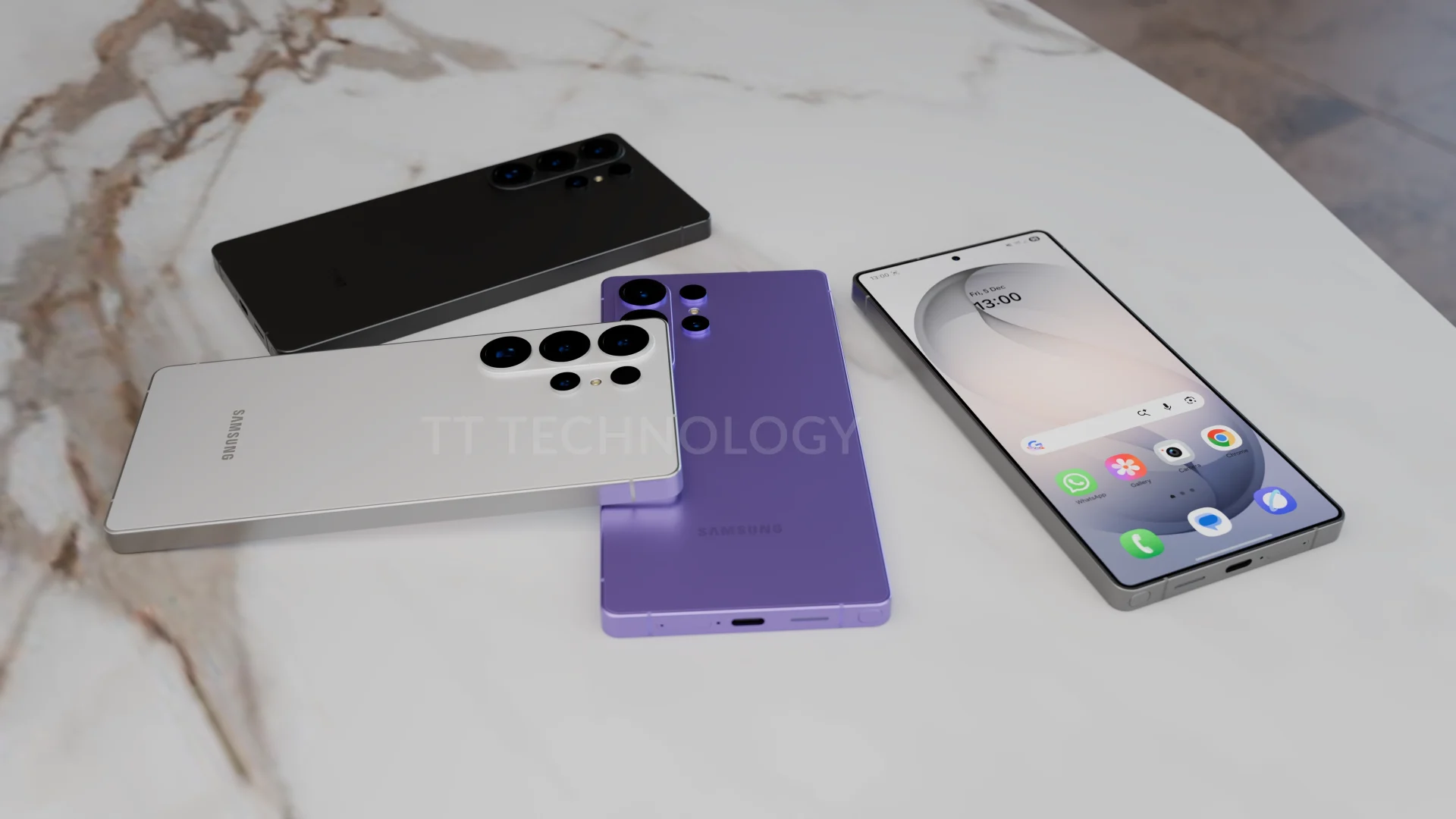
Interestingly, the return to Exynos was initially thought to reduce costs by $20 to $30 per device, potentially offsetting price increases. Unfortunately, a global RAM shortage and rising memory prices appear to have eroded those savings, forcing Samsung to consider raising prices despite the chip choice. This situation may frustrate consumers who are asked to pay more for hardware that some perceive as less desirable.
Context: Market Pressures and Samsung’s Strategy
Samsung’s pricing challenges are not unique; the entire tech industry is grappling with supply constraints and increased costs for components like RAM, which is in high demand due to AI computing trends. Samsung’s inability to secure long-term memory chip contracts, especially after failing to reach an agreement with its semiconductor division, means it must compete for quarterly contracts, driving up costs. Other manufacturers, including Xiaomi, have also warned of price increases this year.
Samsung’s Galaxy S series has seen relatively incremental upgrades in recent years, focusing heavily on software features such as Galaxy AI rather than bold hardware innovations. Many of these AI enhancements are also backported to older devices, which may diminish their appeal as selling points for new models. This conservative approach to hardware upgrades, combined with rising prices, could make the Galaxy S26 less compelling for some buyers compared to previous iterations or competing devices.
What to Expect Moving Forward
While Samsung may employ tactics like carrier subsidies, trade-in promotions, and limited-time offers to soften the impact of higher prices, these measures primarily delay the cost burden rather than eliminate it. Buyers who prefer unlocked devices, especially in international markets, will likely feel the full effect of the price increases. The mixed processor strategy and regional pricing disparities could further complicate consumer decisions, particularly for those weighing the value proposition of the Galaxy S26 against alternatives.
Ultimately, Samsung faces a challenging balancing act in 2026: maintaining competitiveness in key markets like the US, managing component cost pressures, and delivering meaningful upgrades that justify higher prices. How consumers respond to these factors will be crucial in determining the Galaxy S26’s success in the months ahead.
For more detailed insights on Samsung’s upcoming flagship and the evolving smartphone landscape, keep an eye on further leaks and official announcements as the launch approaches.