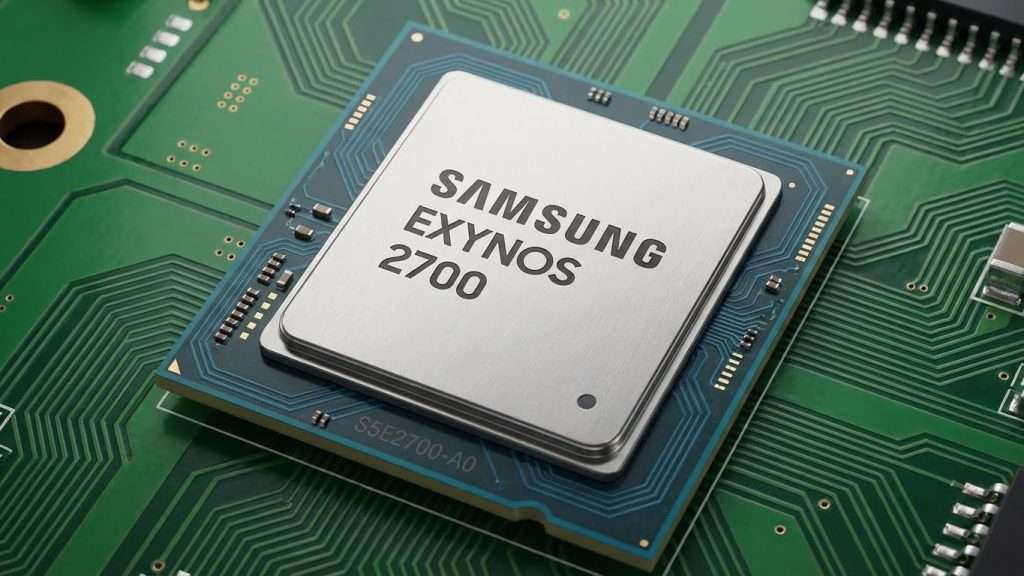
Exynos 2700 Set to Strengthen Samsung’s Chipset Portfolio
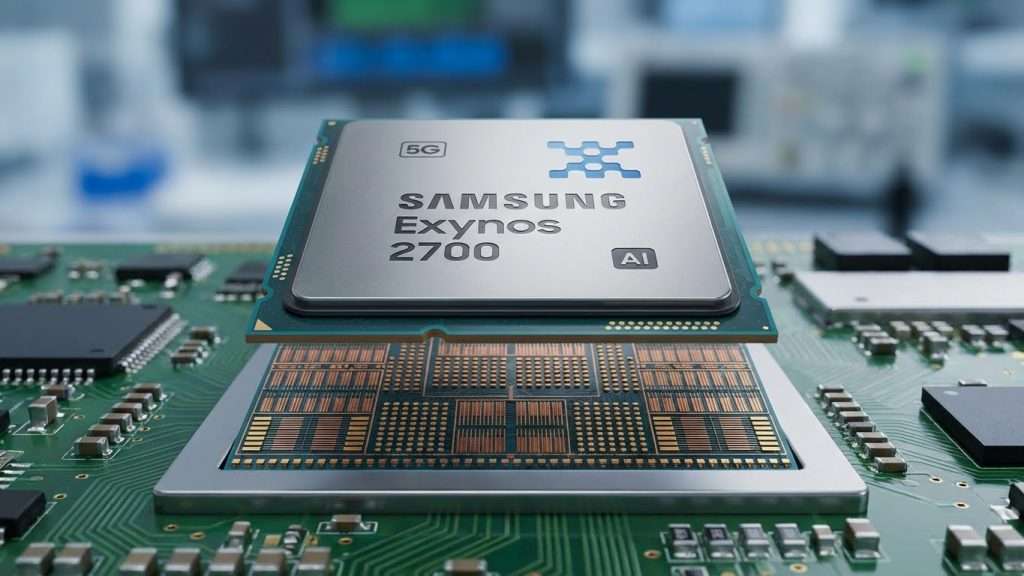
Samsung is gearing up to launch its next-generation Exynos 2700 chipset in the fourth quarter of 2026, a move expected to significantly enhance the company’s non-memory operating profit. This new chip will be manufactured using Samsung’s second-generation 2nm Gate-All-Around (GAA) process, known as SF2P, marking a major step forward in semiconductor technology for the Korean tech giant. The Exynos 2700 aims to build on the foundation laid by its predecessor, the Exynos 2600, and is anticipated to solidify Samsung’s position as a competitive player in the high-end chipset market.
Key Specifications and Financial Impact
The Exynos 2700 will be the exclusive chipset powering Samsung’s Galaxy S27 series, expected to account for approximately 50 percent of all chipset shipments within this flagship lineup. The chip is produced by Samsung’s LSI division, which handles the manufacturing of chipsets, camera sensors, and 5G modems. Meanwhile, Samsung’s Mobile Experience division will procure these chips from LSI, contributing to the latter’s revenue stream. According to a recent report from DigiTimes, the Exynos 2700’s production ramp-up is projected to generate around 163 billion won (approximately $112.8 million) in operating profit for Samsung’s non-memory business segment.
Technological Advancements Behind the SF2P Process
The SF2P process represents Samsung’s second-generation 2nm GAA technology, with its basic design phase reportedly completed last year. This advanced manufacturing node promises improved performance and efficiency compared to previous generations. However, current yields for the first-generation 2nm GAA process stand at about 50 percent, raising questions about the readiness and stability of the SF2P process. Despite this, Samsung appears confident in its progress, aggressively promoting the new technology as part of its broader semiconductor roadmap. Additionally, the company is already planning for the SF2P+ node, a third-generation 2nm GAA process expected to arrive within the next few years.
Context and Future Outlook
Samsung’s move to rely more heavily on its own Exynos chipsets for flagship devices signals a strategic shift away from Qualcomm’s Snapdragon processors. This transition benefits Samsung’s LSI division by increasing internal demand and boosting profitability. The development of the Exynos 2700 and its advanced manufacturing process underscores Samsung’s commitment to leading-edge semiconductor innovation. As the Galaxy S27 launch approaches, industry watchers will be keen to see how the new chipset performs in real-world scenarios and how it impacts Samsung’s competitive standing in the smartphone market.
Overall, the Exynos 2700’s debut in late 2026 is shaping up to be a significant milestone for Samsung, both technologically and financially. The coming months will reveal more details about the chip’s capabilities and its role in Samsung’s future mobile devices.