
Apple’s iPhone 18 Pro Promises Major Advancements
Apple appears poised to shake up the smartphone landscape once again with the upcoming iPhone 18 Pro. Contrary to expectations of a modest update following the significant changes introduced with the iPhone 17 Pro, recent leaks suggest the next-generation model will bring substantial enhancements. Among the most notable is the integration of Face ID technology beneath the display, a move that will allow for much slimmer bezels and a repositioned front-facing camera located in the left corner. This redesign could mark the most striking visual refresh on the front of the iPhone since the launch of the iPhone 14 Pro.
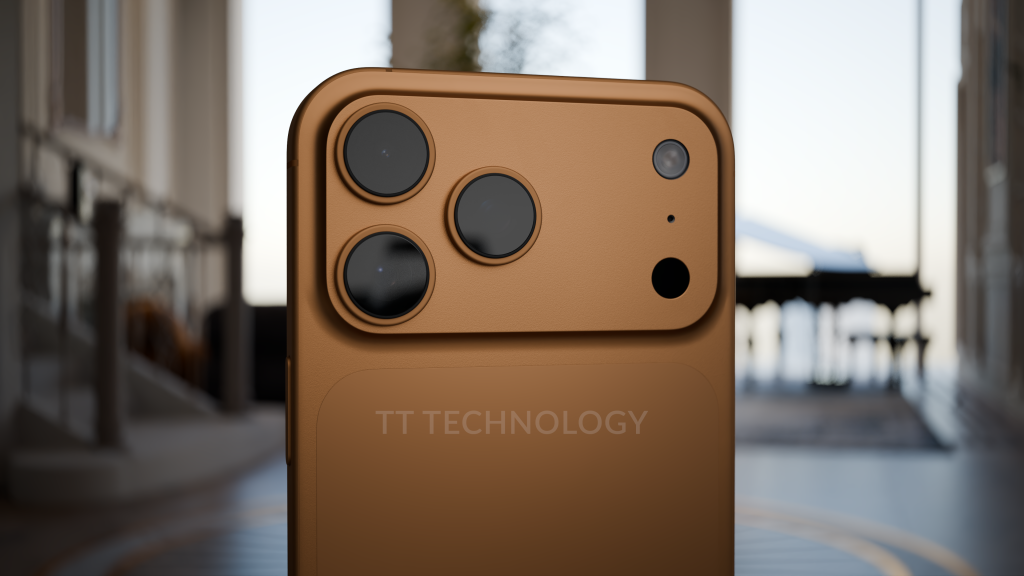
Alongside these design changes, the iPhone 18 Pro is expected to feature Apple’s new A20 chip, reportedly fabricated using a cutting-edge 2nm process. This represents a significant leap in efficiency and performance, especially when compared to the 3nm Snapdragon 8 Elite Gen 5 chipset used in some Android competitors. The main camera is also rumoured to receive an upgrade with a variable aperture, enhancing photographic control in diverse lighting conditions. Additionally, Apple might expand the phone’s satellite connectivity capabilities to support 5G networks, potentially revolutionising emergency communication features.
Context: Building on the iPhone 17 Pro’s Success
The iPhone 17 Pro was widely regarded as one of Apple’s most meaningful upgrades in recent years. It introduced a new aluminium design that, while divisive, was generally well received. The addition of a 48MP telephoto camera and an innovative Centre Stage selfie camera system elevated the photography experience. Coupled with the powerful A19 Pro chip, improved battery life, and faster charging speeds, the iPhone 17 Pro set a high bar for Apple’s future releases.
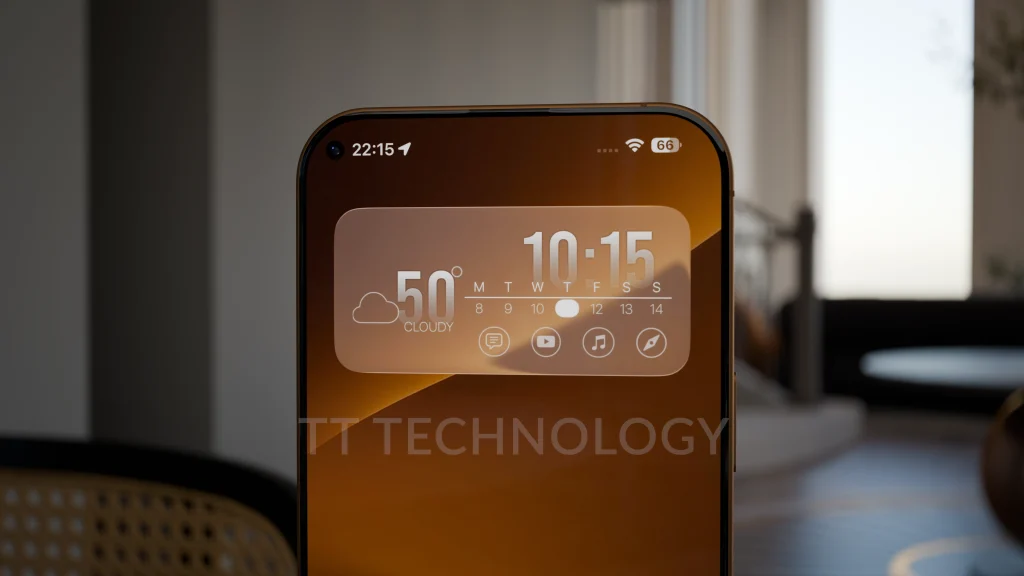
Given this strong foundation, many anticipated the iPhone 18 Pro to be a more incremental update. However, the latest rumours suggest Apple is aiming for another leap forward, delivering a combination of design innovation, hardware improvements, and connectivity advancements that could redefine expectations for the 2026 flagship market.
Challenges Facing Android Competitors in 2026
While Apple’s iPhone 18 Pro is shaping up to be a formidable device, the outlook for Android flagships in 2026 appears less promising. Samsung’s Galaxy S26 series is widely rumoured to closely resemble its predecessor, the Galaxy S25, which itself was criticised for lacking innovation compared to the Galaxy S24. Early impressions suggest the S26 may continue this trend of minimal change, leaving little to excite consumers.
OnePlus, which launched the OnePlus 15 late in 2025, has also faced criticism. Despite its status as a flagship for 2026, the device reportedly suffers from downgraded camera sensors, thermal issues, a generic design, and questionable software tweaks. This is a stark contrast to the OnePlus 13, which was highly praised as one of the best Android phones of 2025.
Other contenders like Motorola’s Signature flagship and Google’s Pixel 11 series hold some promise, but uncertainties remain. Motorola’s return to the flagship space currently lacks plans for US availability, and the Pixel 10a’s underwhelming upgrade casts doubt on the Pixel 11’s potential impact.
Looking Ahead
With the iPhone 18 Pro reportedly delivering a combination of a fresh design, next-generation chipset, enhanced camera technology, and improved satellite connectivity, Apple seems set to maintain a strong lead in the smartphone race for 2026. Android manufacturers will need to innovate significantly if they hope to match or surpass these advancements. For now, the iPhone 18 Pro looks like the device to watch as the new year approaches.