The Reality Behind Apple and Google’s Phone Manufacturing
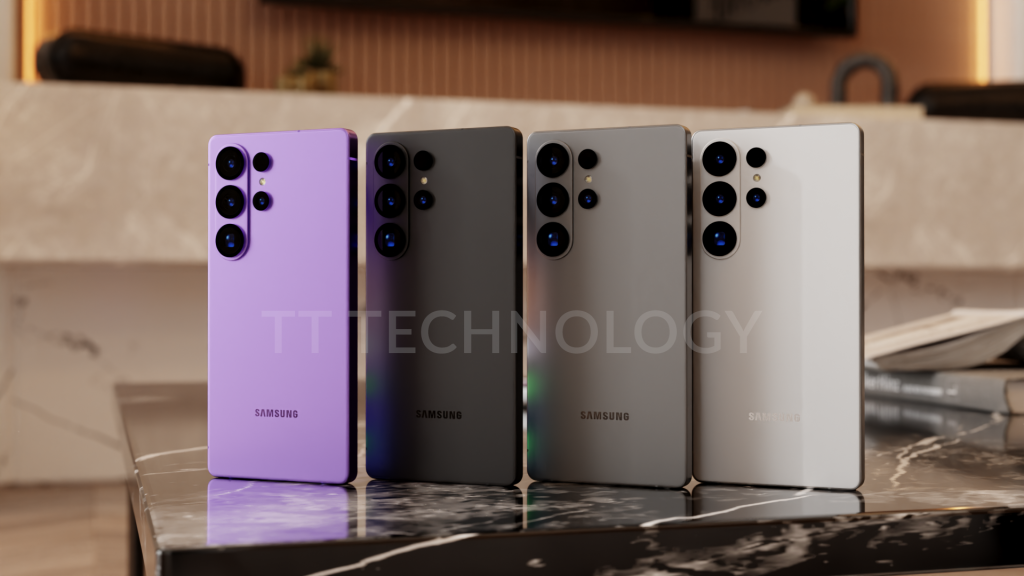
Despite being two of the biggest names in the smartphone industry, Apple and Google do not actually manufacture their own phones. While they design their devices and even develop their own processors, the physical assembly is handled by third-party companies known as Electronics Manufacturing Services (EMS) providers. This approach is shared by most smartphone brands, with Samsung being a notable exception that operates its own factories.
At first glance, it might seem logical for Apple and Google to control manufacturing to increase profit margins and maintain tighter control. However, the reality involves a complex mix of economic, political, and strategic considerations that make outsourcing production the more sensible choice for these tech giants.
Key Factors Influencing Manufacturing Decisions
One of the primary reasons Apple and Google avoid setting up their own factories is financial. Building and running manufacturing plants, especially in the United States, would be prohibitively expensive due to higher labour costs. For example, assembling an iPhone in China costs roughly $30, but producing the same device domestically could increase that cost to as much as $300 per unit. This would either force companies to raise prices, potentially hurting sales, or accept lower margins, which shareholders would likely oppose.
Moreover, manufacturing demand fluctuates significantly throughout the year, peaking during product launches and holiday seasons. Managing these swings efficiently is challenging for single companies but easier for EMS providers like Foxconn, which produce devices for multiple brands and can adjust their workforce and production lines accordingly. Foxconn’s multiple facilities on single campuses also help mitigate risks by allowing flexible allocation of resources.
Risk management is another crucial factor. Apple and Google would need multiple factories across different countries to avoid disruptions caused by natural disasters, strikes, or geopolitical tensions. For instance, trade wars can introduce tariffs that make products more expensive in key markets. By relying on EMS providers with facilities in various locations, these companies can shift production as needed to navigate such challenges.
The Strategic Advantage of Outsourcing
Apple and Google’s core competencies lie in design, software development, marketing, and customer support, rather than factory management. Neither company has experience in running manufacturing plants, which would require significant investment in new expertise and infrastructure. Outsourcing production allows them to focus on what they do best while leaving the complexities of manufacturing to specialists.
China’s manufacturing ecosystem, particularly in regions like Shenzhen, is renowned for its efficiency and speed. This ‘Industrial Cluster’ effect means that component suppliers, engineers, and assembly lines are all in close proximity, enabling rapid prototyping and production. Apple’s CEO Tim Cook has highlighted that the decision to manufacture in China is not only about cost but also about the unparalleled manufacturing skills and infrastructure available there.

Political and Public Relations Considerations
Building factories abroad, especially in countries like China or India, involves navigating complex political landscapes. Local companies often have advantages in expanding production due to economic and political factors, making it harder for foreign firms to establish new facilities. Additionally, tensions between countries can pose risks; a factory could become a bargaining chip or face sudden regulatory changes, jeopardising the investment.
Outsourcing also helps Apple and Google distance themselves from controversies related to manufacturing practices. Issues such as labour exploitation and poor working conditions have occasionally surfaced in factories operated by EMS providers. Since Apple and Google do not own these factories, they can avoid direct blame, which helps protect their brand reputation.
Looking Ahead
Given the economic, strategic, and political complexities involved, it is unlikely that Apple or Google will start manufacturing their own phones anytime soon. Their current approach of partnering with experienced EMS providers offers flexibility, cost-efficiency, and risk mitigation that in-house production cannot easily match. As the smartphone market evolves, these companies will likely continue to focus on innovation and design while relying on trusted manufacturing partners to bring their devices to life.
Source: IDC