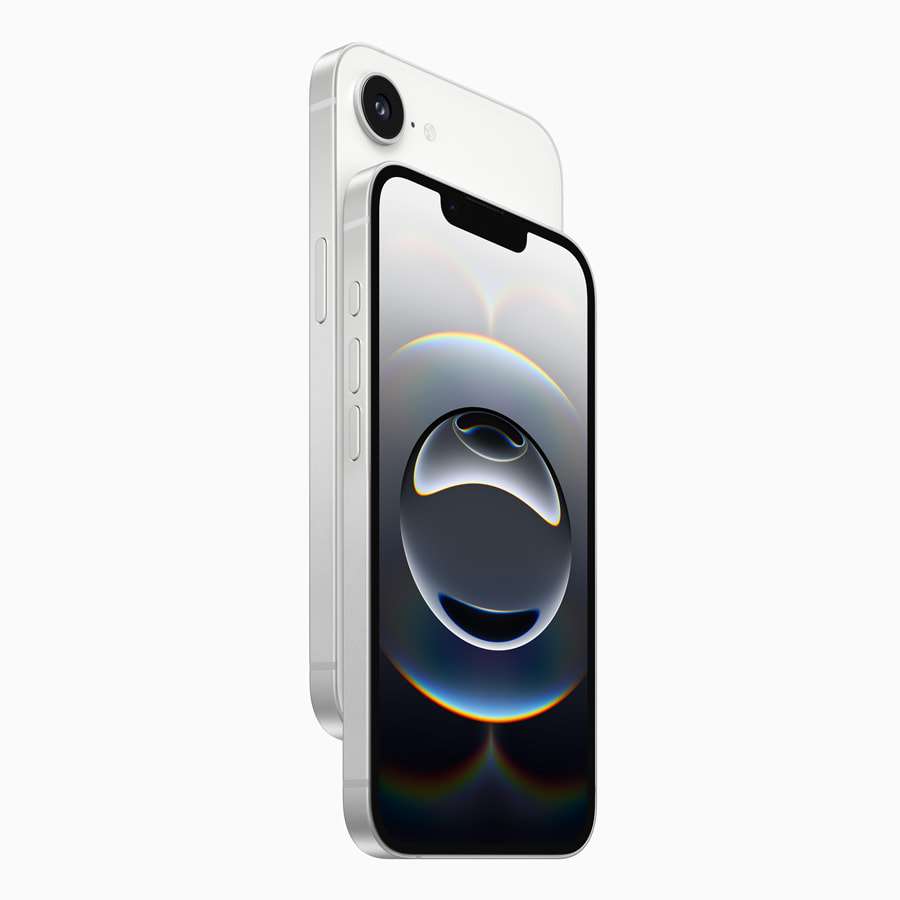
Apple’s iPhone 16e Faces Tough Competition in the Affordable Segment
Apple’s latest budget offering, the iPhone 16e, has arrived early in 2025, aiming to capture the entry-level smartphone market. However, it appears to fall short when stacked against numerous Android rivals from 2024 and 2025. Despite carrying the iconic Apple design language with flat sides, simple colour options, and the signature Action Button, the iPhone 16e struggles to excite or justify its place among affordable smartphones. It seems that Apple’s approach to a low-cost iPhone hasn’t evolved enough to meet the expectations set by its Android competitors.
Design and Camera Limitations
While the iPhone 16e retains the classic Apple aesthetic, its design feels uninspired and somewhat dated. The phone’s single rear camera, although upgraded to a 48MP sensor from the previous 12MP found in earlier iPhone SE models, pales in comparison to the multi-camera setups commonly found on budget Android devices. Competitors like Google’s Pixel 9a and Samsung’s Galaxy S25 FE offer similar or better resolution cameras but with larger sensors and multiple lenses, enabling wider fields of view, macro photography, and superior zoom capabilities.
This single-camera limitation restricts the iPhone 16e’s photographic versatility. Unlike many Android phones that include ultrawide and telephoto lenses, the iPhone 16e cannot perform certain features such as pet portrait mode, which is a notable omission for users seeking creative photography options. Comparisons of photos taken with the iPhone 16e, Pixel 9a, and Galaxy S25 FE reveal that the Android devices capture more detail and richer colours, highlighting the iPhone’s shortcomings in this area.
Performance and Battery Considerations
Though the iPhone 16e benefits from some battery improvements, it still falls short of rivals like the Pixel 9a, which offers a larger battery capacity. Android manufacturers continue to push the envelope with more efficient hardware and software optimisation in their mid-range devices, often providing better value in terms of performance and endurance. The iPhone 16e’s modest upgrades do not seem sufficient to close this gap, especially when considering the overall user experience.
Pricing and Market Positioning
One of the most striking issues with the iPhone 16e is its pricing. Starting at £599, it is significantly more expensive than comparable Android phones such as the Pixel 9a, which retails for around £499, and the Galaxy S25 FE priced at approximately £535. Both Android options offer features and specifications that challenge flagship models, making them attractive choices for budget-conscious consumers. In contrast, the iPhone 16e’s price increase of nearly £200 over the previous iPhone SE (2022) raises questions about its value proposition.
Within Apple’s own lineup, the iPhone 16e struggles to justify its cost. The base iPhone 17, priced at £799, offers a more durable build, smoother display refresh rates, superior chipset performance, larger base storage, and enhanced camera systems. Even the standard iPhone 16, available for £699, provides a second rear camera, a brighter screen, and faster wireless charging. For those willing to spend a little more, these alternatives present a more compelling package than the iPhone 16e.
Context and Industry Comparison
Apple’s strategy with the iPhone 16e appears to differ markedly from Android manufacturers, who often position mid-range devices as viable alternatives to flagships. Google’s Pixel 9a, for example, closely mirrors the flagship Pixel 9 in many respects, offering flagship-level features at a significantly lower price. Samsung’s Galaxy S25 FE also delivers premium features at a reduced cost, appealing to a broad audience. In contrast, Apple seems to encourage customers to opt for its higher-end models by making its budget option less attractive, both in terms of features and price.
Historically, budget Android phones have been able to offer a richer feature set and more flexible hardware configurations than Apple’s entry-level iPhones. This trend continues with the iPhone 16e, which despite its upgrades, feels like a step behind in a market where consumers expect more from affordable devices.
Looking Ahead
As the smartphone market evolves, Apple’s approach to budget devices will be closely watched. The iPhone 16e’s reception suggests that the company may need to reconsider how it balances cost, features, and design in this segment. For consumers, Android continues to offer compelling options that blend performance, camera versatility, and value, making it difficult for Apple’s budget iPhones to stand out. The coming months will reveal whether Apple adjusts its strategy or maintains its current course in the affordable smartphone space.
Source: Clearbuy