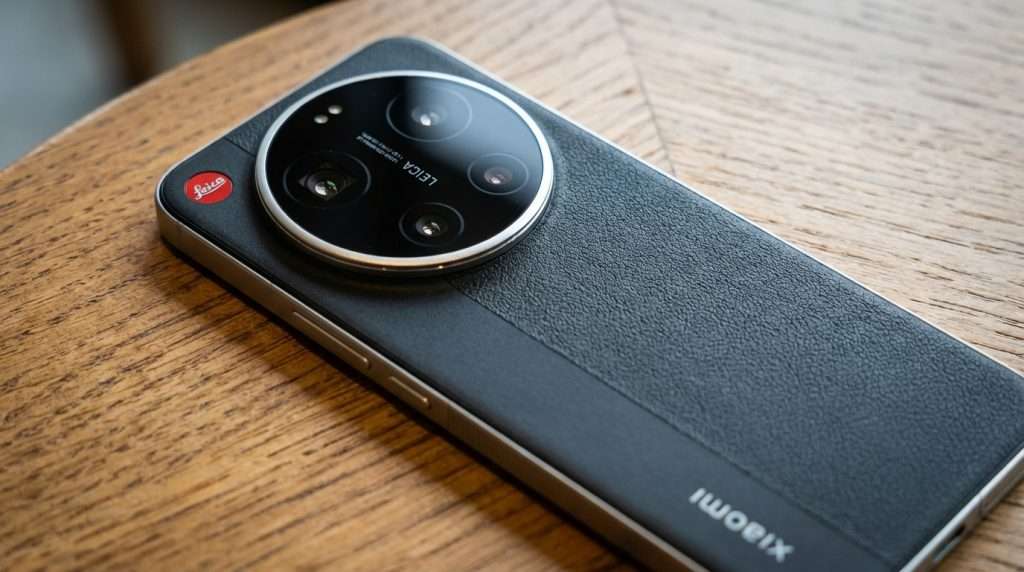
XiaoMi 17 Ultra Impresses with Universal and Fast USB-C Charging
USB-C fast charging has long been a source of frustration due to the multitude of competing protocols and concerns over battery health. However, the Xiaomi 17 Ultra appears to have finally cracked the code, delivering an exceptionally smooth and versatile fast-charging experience that works well across a variety of chargers. Unlike many flagship phones that struggle to maintain consistent fast charging speeds across different cables and power sources, Xiaomi’s latest Ultra model supports a broad range of standards, making it a standout in the current landscape.
One of the most notable achievements of the Xiaomi 17 Ultra is its compatibility with multiple fast-charging protocols, including China’s Unified Fast Charging Standard (UFCS) and the widely adopted USB Power Delivery (USB PD) specifications. This allows the phone to charge at speeds up to 100W with compatible chargers, a remarkable feat considering its large 6,800mAh battery. For comparison, even Samsung’s recently announced Galaxy S26 Ultra only supports up to 60W charging, highlighting Xiaomi’s lead in this area.
Smart Charging Features Enhance Battery Longevity
Beyond raw charging speed, Xiaomi has implemented thoughtful software features to balance fast charging with battery health. When the battery level drops below 20%, the phone prompts users to enable a boost mode that accelerates charging up to 30% faster. This mode can also be toggled manually in the settings, allowing users to prioritise speed when necessary. Importantly, the phone encourages switching back to a standard charging mode once the battery is sufficiently charged, helping to prevent unnecessary battery wear.
The Xiaomi 17 Ultra also includes a Smart charging option that dynamically adjusts power delivery to keep the device cooler during charging, which is particularly useful after intensive tasks like gaming. Additionally, the phone restricts its highest charging power to moments when the screen is off, reducing heat generation during active use. This intelligent power management ensures that charging remains efficient without compromising the device’s temperature or user comfort.
Context and Comparison with Previous Models
Xiaomi has long been known for its proprietary HyperCharge technology, which offers rapid and temperature-aware charging. However, previous models often shipped with outdated USB-A cables, limiting the universality of their fast charging. The 17 Ultra moves away from proprietary restrictions, embracing universal standards that allow it to work seamlessly with a wider range of chargers and cables. This shift is a significant step forward compared to many Western brands, which frequently support only a single fast-charging protocol.
While Xiaomi’s approach is impressive, it is not without minor flaws. For example, the phone displays a “90W Quick Charging” notification only when connected to Xiaomi’s own chargers, but not when using equally fast USB PD chargers. This inconsistency can confuse users about whether they are receiving optimal charging speeds. Furthermore, the phone lacks bypass charging, a feature found on some competitors that helps manage heat by powering the device directly during intensive use, such as gaming.
What to Expect Moving Forward
The Xiaomi 17 Ultra’s comprehensive fast-charging capabilities and user-friendly battery management features set a new benchmark for the industry. It demonstrates how manufacturers can deliver both speed and safety without compromising user convenience. While some refinements could improve the experience further, this phone is arguably the closest anyone has come to solving the USB-C fast charging puzzle.
As fast charging continues to evolve, it will be interesting to see how other major players like Apple and Google respond. For now, Xiaomi’s 17 Ultra offers a glimpse of what a well-executed fast-charging system can look like, combining universal compatibility with intelligent power management to keep batteries healthy over the long term.