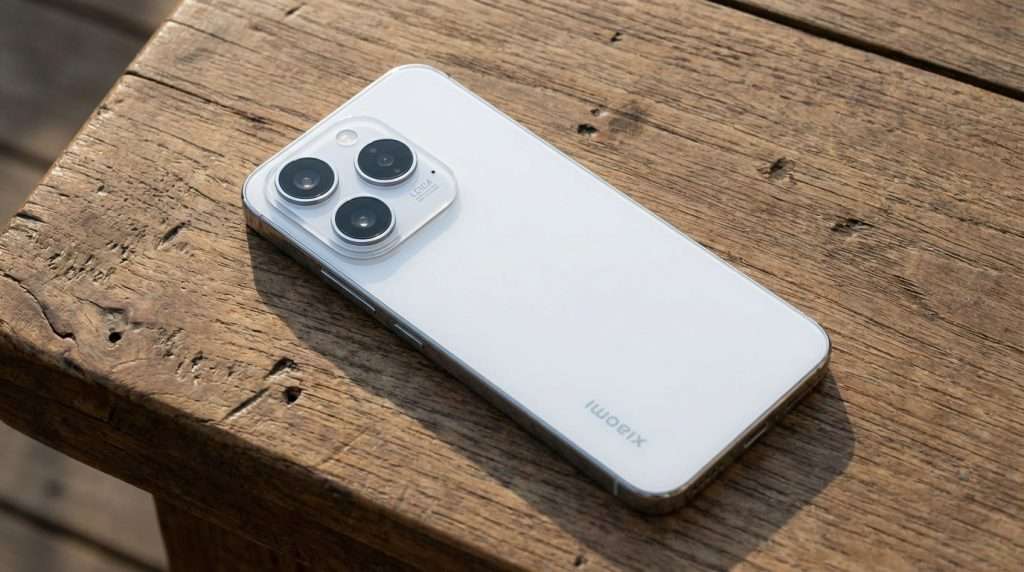
New Hardware-Level Privacy Screens Expected in Upcoming Flagships
As smartphone privacy continues to gain importance, a new wave of flagship devices launching in China around September could introduce a significant hardware-level privacy feature aimed at preventing onlookers from viewing sensitive screen content. According to reliable tipster Digital Chat Station, both the Xiaomi 18 series and the Vivo X500 lineup are reportedly testing an advanced anti-peep display technology that works at the hardware level, similar to the privacy screen Samsung is set to debut with its Galaxy S26 Ultra next week.
This new privacy solution differs from traditional software-based filters or physical screen protectors by integrating native display technology that reduces visibility from side angles. Such an approach promises to enhance privacy in public settings by limiting shoulder surfing without compromising the user experience.
Key Details on the Xiaomi 18 and Vivo X500 Displays
The Xiaomi 18 series, expected to be powered by Qualcomm’s Snapdragon 8 Gen 2 Elite chipset, and the Vivo X500 series, rumoured to feature the MediaTek Dimensity 9600 processor, are both slated for launch in September. If testing of this anti-peeping screen technology proves successful, these devices could be among the first Chinese flagships to offer hardware-level privacy displays.
This innovation is particularly notable as it may allow users to automatically activate privacy modes during sensitive tasks or selectively hide specific screen elements such as notifications or passwords. Such functionality would mark a shift from relying on software alone to a more robust, integrated hardware solution.
Context: Samsung’s Galaxy S26 Ultra Leads the Way
Samsung’s Galaxy S26 Ultra is anticipated to pioneer this kind of built-in privacy display. Reports suggest the device will use advanced OLED panel control to obscure content when viewed from side angles, effectively reducing the risk of shoulder surfing in crowded environments. Early information also hints at customisation options, enabling the feature to activate automatically during private activities.
Among the Galaxy S26 lineup, only the Ultra model is expected to include this hardware-level privacy feature, which may set a precedent for other manufacturers. Chinese OEMs might follow suit by reserving similar technology for their Pro Max or Ultra-tier devices, aligning with the trend of flagship differentiation.
Looking Ahead
While Oppo’s Find X9 series introduced some privacy-related features last year, the upcoming Find X10, Honor Magic 10, iQOO 16, OnePlus 16, and Realme GT 9 Pro are also expected to launch in the coming months, though it remains unclear if they will adopt this new hardware privacy technology. As privacy concerns grow, the adoption of integrated anti-peep screens could become a key selling point among premium smartphones.
For those interested in the latest developments, keeping an eye on September’s launches will be crucial to see how widespread this hardware-level privacy feature becomes across flagship devices.