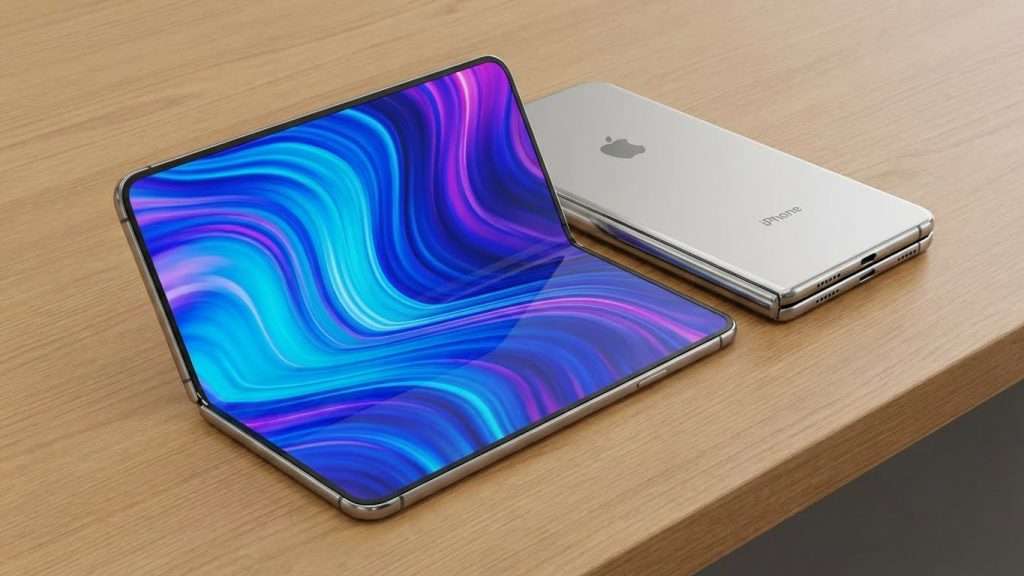
Apple’s Foldable iPhone Faces Delays but Promises Innovation
Apple’s much-anticipated iPhone Fold is set to mark a significant step in bringing foldable smartphones into the mainstream market. However, according to renowned Apple analyst Ming-Chi Kuo, the device’s production is currently behind schedule, with smooth and widespread shipments unlikely before 2027. Despite the delay, Apple is expected to announce the foldable iPhone in the latter half of 2026, positioning it as a major innovation in the company’s product lineup.
Key Features and Specifications of the iPhone Fold
The iPhone Fold is rumoured to feature a crease-less foldable display measuring approximately 7.7 inches, complemented by a cover screen of around 5.4 inches. This book-style device will offer a 2,713 x 1,920 resolution with a 4:3 aspect ratio, delivering a premium viewing experience. Notably, Apple is said to be opting for Touch ID instead of Face ID on this model, a departure from its recent flagship devices.
Under the hood, the iPhone Fold will reportedly be powered by the A20 Pro system-on-chip, paired with 12GB of RAM and an in-house C2 5G modem. Photography capabilities include a dual rear camera setup with a 48MP sensor and an in-display front camera boasting up to 24MP resolution. The battery capacity is expected to range between 5,400 and 5,800mAh, supporting the device’s power needs throughout the day.
Additional details suggest the iPhone Fold will launch as an eSIM-only variant, with an estimated price tag of around $2,399. Initial shipment volumes are projected to be between 7 and 9 million units in its first year, although supply constraints may limit availability.
Context: Apple’s Strategic Shift Amid AI and Product Innovation
Ming-Chi Kuo’s recent interview with MacroMicro shed light on Apple’s broader strategy in the face of rapid AI advancements and competitive pressure. Apple is reportedly accelerating innovation within its iPhone range to counter perceptions that it has lagged behind in the AI race. The iPhone Air is seen as a stopgap, while more substantial changes, including the foldable iPhone, are expected to reshape user experience in 2026.
Apple’s AI ambitions extend beyond smartphones. The company has partnered with Google to integrate a customised 3-trillion-parameter Gemini AI model into its cloud services, paying Google $1 billion annually for this technology. Furthermore, Apple is developing its own AI server chip, codenamed “Baltra,” with deployment anticipated in 2027.
The larger screen of the iPhone Fold is considered advantageous for displaying AI multimodal content, signalling Apple’s intent to blend foldable hardware with advanced AI capabilities. Looking further ahead, Apple envisions smart glasses with integrated displays as a potential replacement for traditional screen-based devices, though meaningful adoption may not occur until 2028 to 2030.
In a recent MacroMicro interview (Nov. 27), I discussed Apple, consumer electronics, and AI trends across three themes:
— 郭明錤 (Ming-Chi Kuo) (@mingchikuo) December 18, 2025
1. Gemini 3 – Rapidly Became a Center of Market Attention After Launch.
2. Apple – Crisis-Driven Innovation, On-Device AI, Foldable iPhone, and Smart Glasses.… pic.twitter.com/PegzW0dPH1
Looking Ahead: AI Smart Glasses and Market Competition
In addition to the foldable iPhone, Apple is reportedly targeting a 2026 release for its AI-enabled smart glasses. These glasses will include cameras, microphones, and speakers to facilitate hands-free notifications, real-time AI assistance, and AI-powered translations. However, they are not expected to feature built-in augmented reality displays.
This move positions Apple against competitors like Meta, whose Ray-Ban smart glasses offer extensive mixed-use battery life, high-definition video recording, and advanced noise cancellation. Meta remains a leader in AI smart glasses technology, recently launching software updates that enhance speech amplification in noisy environments.
Apple’s push into foldables and AI-enhanced wearables reflects its commitment to innovation, even as it navigates supply chain challenges and a rapidly evolving tech landscape.
As the launch of the iPhone Fold approaches, enthusiasts and industry watchers will be keen to see how Apple manages production hurdles and integrates AI advancements into its new devices. The coming years could well redefine Apple’s hardware offerings and its role in the future of consumer technology.