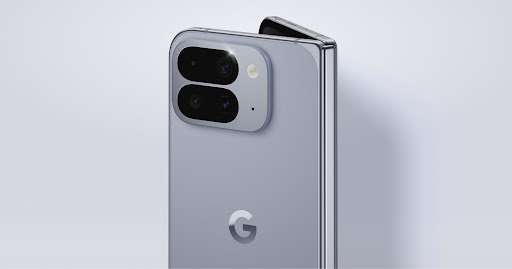
In a rather unusual customer service encounter at a Google service centre in Delhi, India, a Pixel smartphone owner was told that the swollen battery in her device was caused by using a Samsung charger. This claim, made by a Google representative, sparked discussions online about the validity of such a statement and the challenges consumers face when dealing with warranty claims for electronic devices.
Details of the Incident
The incident came to light when a bystander, @Pmkphotoworks, shared a snippet of the conversation on social media. The Pixel user approached the service centre concerned about her phone’s swollen battery. When she asked the representative about the cause, he immediately inquired about the charger she had been using. Upon learning that she was charging her Pixel with a Samsung power adapter, the employee attributed the battery swelling to the use of a non-Pixel charger.
It is important to note that the post did not confirm whether the woman received any replacement or repair service. The representative’s explanation seemed to be a tactic to shift responsibility away from the device itself, potentially avoiding the need to replace the battery or provide warranty service.

Understanding Battery Swelling and Charger Compatibility
Generally, smartphone batteries do not swell simply because a charger from a different brand is used, especially when it is a reputable manufacturer like Samsung. Modern chargers are designed to deliver appropriate voltage and wattage to compatible devices, and Pixel phones typically support standard charging protocols that Samsung chargers also adhere to.
Battery swelling is more commonly caused by factors such as prolonged use, overheating, or manufacturing defects. Given the widespread use of third-party chargers from brands like Anker, AUKEY, and Tronsmart, if charger incompatibility was a frequent cause, swollen batteries would be a far more common issue across many devices in the market.
Context: Pixel’s Ongoing Hardware Challenges
This incident adds to a history of hardware and software troubles faced by Google’s Pixel smartphones. Past reports have highlighted issues ranging from overheating to more serious incidents like the Pixel 6a catching fire. Google has even released software updates aimed at reducing battery capacity and charging speeds to mitigate these risks, particularly for the Pixel 6a and the Pixel 10 series after certain usage cycles.
These ongoing problems suggest that battery quality and thermal management remain areas where Google could improve. Instead of deflecting blame onto customers, a stronger focus on sourcing more reliable components might help reduce such incidents and improve user trust.
What This Means for Consumers
For customers, encounters like this highlight the importance of being informed about their devices and rights when seeking warranty service. In regions where consumer electronics knowledge may be limited, it is easier for representatives to deflect responsibility, which can lead to frustration and distrust.
Ultimately, how Google handles such cases and improves its service policies will influence whether users remain loyal to Pixel devices or consider alternatives from competitors like Apple or Samsung.
As the story develops, it will be interesting to see if Google addresses these service centre practices and whether the company takes further steps to enhance battery safety and customer support.
Source: @Pmkphotoworks on X