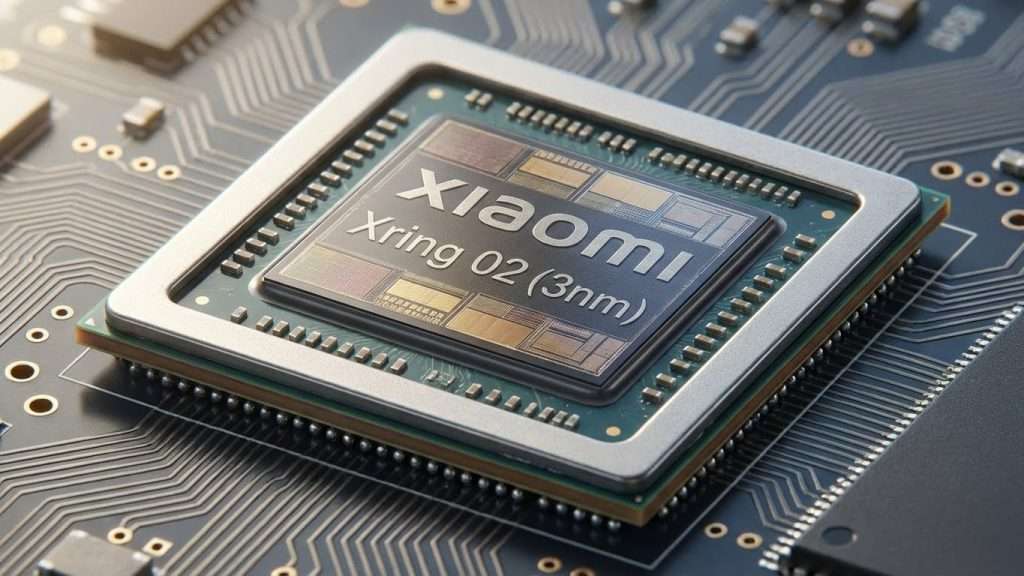
Xiaomi’s XRING 02 Chipset to Stick with 3nm Process
Xiaomi’s upcoming XRING 02 system-on-chip (SoC) is reportedly set to use TSMC’s 3nm N3P manufacturing node, an older process compared to the 2nm technology that Qualcomm, MediaTek, and Apple plan to adopt later this year. This decision suggests that the XRING 02 will not power Xiaomi’s flagship smartphones, instead likely targeting a tier below the premium segment. The move marks a step back from the company’s previous XRING 01, which utilised the more advanced 3nm N3E process and was designed specifically for high-end devices.
Reasons Behind Choosing an Older Manufacturing Process
One of the key factors influencing Xiaomi’s choice to stick with the 3nm N3P node is the rising cost of semiconductor manufacturing. The expense of wafers at the cutting edge is significant, and this is compounded by a surge in prices for mobile DRAM and NAND flash memory. Xiaomi’s president has acknowledged that these increased storage costs forced the company to raise the price of its Redmi K90. Industry analysis from Omdia indicates that mobile DRAM and flash memory prices have soared by over 70% and 100% respectively, pushing smartphone bill of materials (BoM) costs up by more than 25%.
Given these economic pressures, Xiaomi appears to be balancing cost management with its ambitions in chipset development. While the latest 2nm process would offer performance and efficiency advantages, the company’s broader business strategy, which includes device sales, necessitates compromises to keep prices competitive.
Context and Potential Strategy for the XRING 02
The XRING 02’s use of the 3nm N3P node has been previously reported, and Xiaomi has already filed a trademark for the chipset, signalling its intent to expand its in-house silicon portfolio. However, the chipset is expected to lag behind competitors such as Qualcomm’s Snapdragon 8 Elite Gen 6 and MediaTek’s Dimensity 9600, both of which are moving to more advanced manufacturing processes. As a result, the XRING 02 is unlikely to challenge these flagship processors directly.
Interestingly, the XRING 02 may not have been designed solely for flagship smartphones. According to Weibo tipster Digital Chat Station, Xiaomi is evaluating the chipset not only for smartphones and tablets but also for automotive applications. This suggests that Xiaomi might be aiming to build a broader ecosystem around its silicon, accepting a generation gap in process technology as a trade-off for diversification.
Looking Ahead
While the XRING 02 won’t put immediate pressure on Qualcomm or MediaTek in the flagship SoC market, it represents Xiaomi’s continued commitment to developing its own chipsets. The company’s strategy appears to focus on cost control and ecosystem expansion rather than direct competition at the highest performance tier. It will be interesting to watch how Xiaomi leverages the XRING 02 across different device categories and whether future iterations will close the gap with industry leaders.
Source: DigiTimes