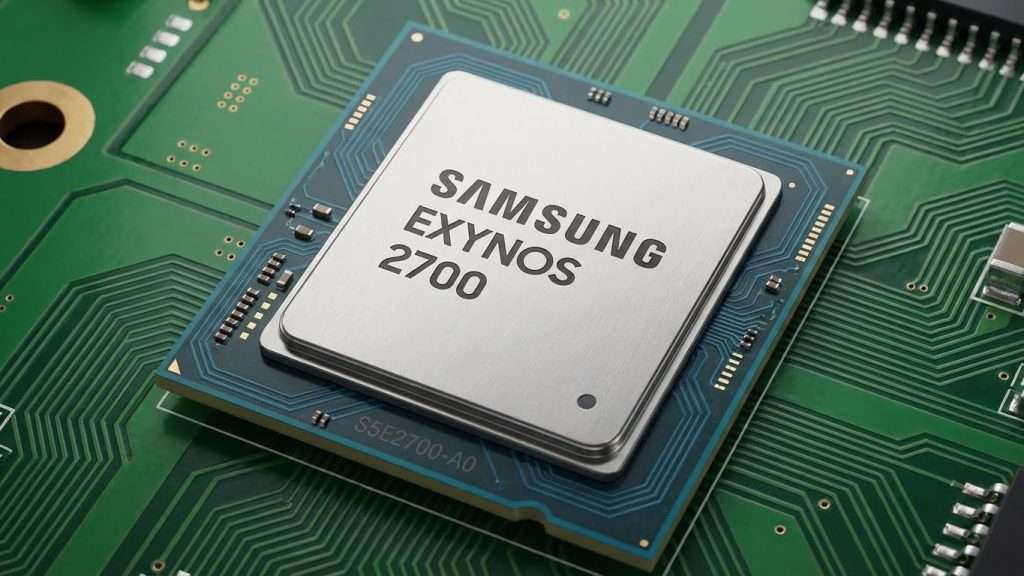
Samsung’s Foundry Business Poised for Profitability in 2027
Samsung’s semiconductor foundry division is on the brink of a significant turnaround, with reports indicating that its 2nm Gate-All-Around (GAA) technology yields are stabilising. This progress, combined with increasing orders from various customers, could see the business finally post a profit in 2027 after years of losses. Notably, Qualcomm’s interest in Samsung as a foundry partner appears to be growing, especially as TSMC’s production capacity nears its limits, making Samsung a more attractive alternative for chip manufacturing.
Key Details on Technology and Investment
According to Kim Dong-won, Head of Research at KB Securities, Samsung’s foundry sector is expected to generate an impressive $69 billion in operating profits next year. This marks a remarkable recovery following a predicted loss of around 7 trillion won (approximately $4.85 billion) in 2025. The turnaround is largely attributed to improvements in Samsung’s 2nm GAA yields alongside increased production rates of its profitable 4nm and 8nm process nodes.
A crucial element in this recovery is Samsung’s Taylor plant in the United States, which has seen an investment exceeding $37 billion. The facility is reportedly preparing to begin Extreme Ultraviolet (EUV) lithography testing in March as it transitions from 4nm to 2nm GAA production. This next-generation manufacturing capability has already attracted clients such as AMD, and Qualcomm is considered a potential future customer as it completes design work on its Snapdragon 8 Elite Gen 5 chipset.
Qualcomm’s Potential Partnership and Strategy
Qualcomm’s collaboration with Samsung remains a focal point for the foundry’s prospects. While the San Diego-based chipmaker may not place orders with Samsung early in 2026, this could change with the launch of upcoming chipsets like the Snapdragon 8 Elite Gen 6 Pro and Snapdragon 8 Elite Gen 6. To optimise costs, Qualcomm might choose TSMC’s 2nm N2P node for mass production of the Snapdragon 8 Elite Gen 6 Pro, while utilising Samsung’s 2nm GAA technology for the standard Snapdragon 8 Elite Gen 6.
Samsung has yet to provide official updates on this potential partnership, but the developments at the Taylor plant and the broader foundry improvements suggest the company is positioning itself strongly to capture more orders from major clients.
Background and Industry Context
Samsung’s foundry business has faced significant challenges in recent years, including a downturn in semiconductor earnings starting in 2022. The company’s strategic focus on advancing its 2nm GAA technology and leveraging its profitable 4nm and 8nm processes is part of a broader effort to regain competitiveness against rivals like TSMC. As TSMC’s production capacity approaches its limits, Samsung’s enhanced manufacturing capabilities could make it a more viable and attractive partner for leading chipmakers.
Looking Ahead
With the 2nm GAA yields stabilising and the Taylor plant ramping up operations, Samsung’s foundry segment is expected to see a profitable 2027. The company’s ability to secure orders from Qualcomm and other clients will be critical to sustaining this momentum. Industry watchers will be keen to see how Samsung’s investments and technological advancements translate into market share gains in the highly competitive semiconductor manufacturing landscape.
For more details on these developments, see the recent report from Chosun and analysis by KB Securities.