Telephoto Extenders: A New Chapter in Smartphone Photography
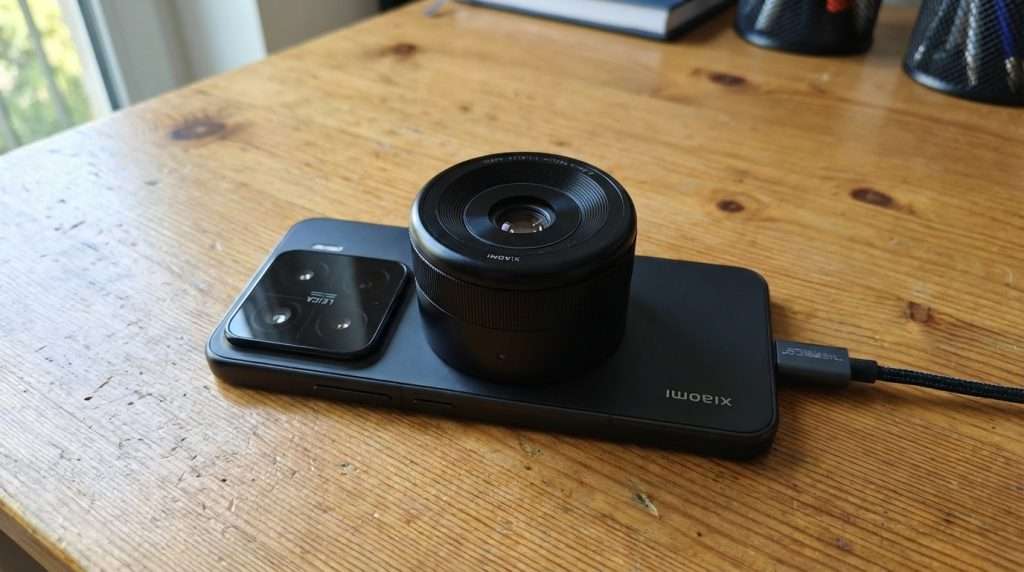
One of the most intriguing trends emerging in the Android smartphone world is the rise of telephoto extenders. These attachable lenses significantly expand a phone’s zoom capabilities, allowing users to capture distant subjects with remarkable clarity. Having tested the vivo X200 Ultra equipped with such an extender, it’s clear that this innovation could redefine mobile photography in the coming years.
The vivo X200 Ultra’s telephoto extender attaches to its 200MP periscope camera, delivering a native zoom of around 200mm without relying on digital zoom tricks. This means users can capture faraway details with impressive sharpness, a feature that was once impossible on most smartphones. The concept itself isn’t entirely new, but recent implementations have become far more polished and practical.
Key Features and Practical Benefits
Using the vivo X200 Ultra and its telephoto lens on a recent trip to an apple farm demonstrated how powerful this setup can be. Capturing a common buzzard perched 20 metres away with such detail was a revelation, showcasing the potential for wildlife and nature photography on a phone. The extender offers an effective zoom range that can reach up to 400mm, challenging photographers to rethink framing and composition when shooting distant scenes.
Beyond the zoom capabilities, the convenience of this system is notable. Unlike bulky DSLR cameras and lenses, the vivo phone and its lens fit comfortably in a pocket. The lens is well protected when detached, and switching between the telephoto and ultrawide cameras is seamless, offering versatility without the need for extensive equipment. This portability and ease of use make telephoto extenders a compelling option for enthusiasts who want high-quality zoom without the hassle of traditional camera gear.
Challenges Still to Overcome
Despite the excitement, telephoto extenders come with their fair share of drawbacks. The lens itself is bulky and heavy, which can make the phone feel unbalanced and difficult to stabilise when shooting at high zoom levels. Even minor hand movements can disrupt framing or cause blur, a problem less pronounced with traditional cameras held to the eye. While accessories like grips and tripods help, they add to the amount of gear users must carry.
Mounting the lens can also be fiddly and time-consuming. The vivo X200 Ultra uses a case-based mounting system that, although improved in the newer X300 Pro, still allows some lens wobble. This can be disconcerting, even if it doesn’t directly affect image quality. Software processing is another area needing refinement, as current shooting modes are limited and manual controls are sparse. The lens glass itself is relatively slow and sensitive to movement, and many believe a longer zoom range, such as 400mm, would better showcase the technology’s potential.
The Broader Context and Future Outlook
Telephoto extenders represent a natural evolution in smartphone camera technology. With internal space for zoom lenses maximised, external attachments provide a way to push zoom capabilities further without compromising the phone’s design. This trend has gained momentum with devices like the OPPO Find X9 Pro and rumours suggesting Apple might explore similar accessories for upcoming iPhone models.
As flagship smartphone prices continue to rise, manufacturers have a strong incentive to innovate and differentiate their devices. Telephoto extenders could become a key selling point, offering tangible improvements in photography that appeal to both casual users and enthusiasts. While the current generation of extenders has room for improvement, the technology is promising and worth watching closely as it matures.
In summary, telephoto extenders are an exciting development that could revitalise smartphone photography. Although there are challenges to address, the benefits of extended zoom and portability are clear. The coming years will likely see refinements and broader adoption, making this one of the most compelling trends in mobile tech for 2026 and beyond.