Samsung’s Ambitious Growth Plans for 2nm GAA Technology
Samsung is setting its sights on a significant expansion in orders for its cutting-edge 2nm Gate-All-Around (GAA) semiconductor process, aiming for a 130% increase in 2026. This aggressive target comes as the Korean foundry looks to capitalise on production difficulties currently faced by its main competitor, TSMC. With Tesla already confirmed as a major customer through a substantial $16.5 billion deal, Samsung is positioning itself to become a key player in next-generation chip manufacturing.
Advancements and Focus on AI Chips
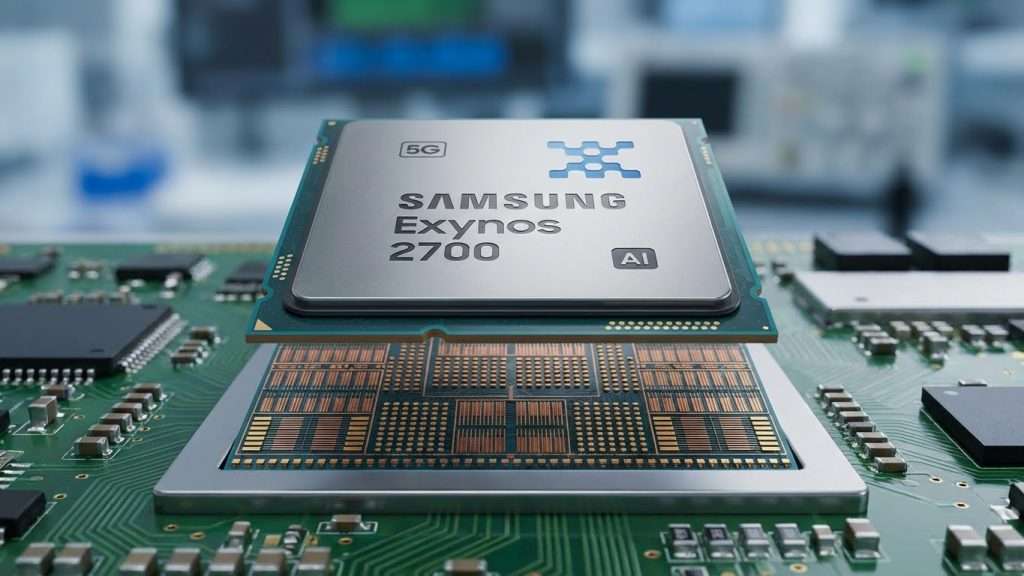
Recent reports indicate that Samsung’s 2nm GAA process has reached a yield rate of approximately 50%, signalling progress though still leaving room for optimisation. The company has demonstrated improved stability with its Exynos 2600 chip, suggesting that mass production could soon become more reliable. Analysts interpret Samsung’s precise 130% order growth target as a clear indication of confidence in securing strong customer commitments, particularly within the AI chip sector, which is becoming a strategic focus for the foundry.
Strategic Manufacturing Moves and Market Positioning
Samsung’s manufacturing strategy includes leveraging its Taylor, Texas plant, originally intended for 4nm production, to support its 2nm GAA process. This move not only aims to chip away at TSMC’s market share but also aligns with broader geopolitical considerations, such as satisfying the US government’s preference for advanced chip production on American soil. The plant is expected to begin test operations of EUV (Extreme Ultraviolet) lithography equipment as early as March, underscoring Samsung’s rapid push to establish a strong foothold in 2nm technology.
Customer Landscape and Industry Implications
Interestingly, despite references to multiple major customers, Qualcomm was notably absent from recent reports. While many clients are exploring Samsung as a viable alternative to TSMC, Qualcomm’s upcoming Snapdragon 8 Elite Gen 6 Pro and Snapdragon 8 Elite Gen 6 chips are rumoured to rely exclusively on TSMC’s 2nm N2P node this year. This suggests that Samsung and Qualcomm have yet to formalise any collaboration for 2nm chip production, leaving room for future developments in the competitive landscape.
Overall, Samsung’s push to increase 2nm GAA orders by 130% in 2026 reflects both technological progress and strategic positioning amid supply chain challenges faced by TSMC. With test operations ramping up and key customers like Tesla on board, the coming months will be crucial in determining how effectively Samsung can capitalise on this opportunity.
Source: DigiTimes