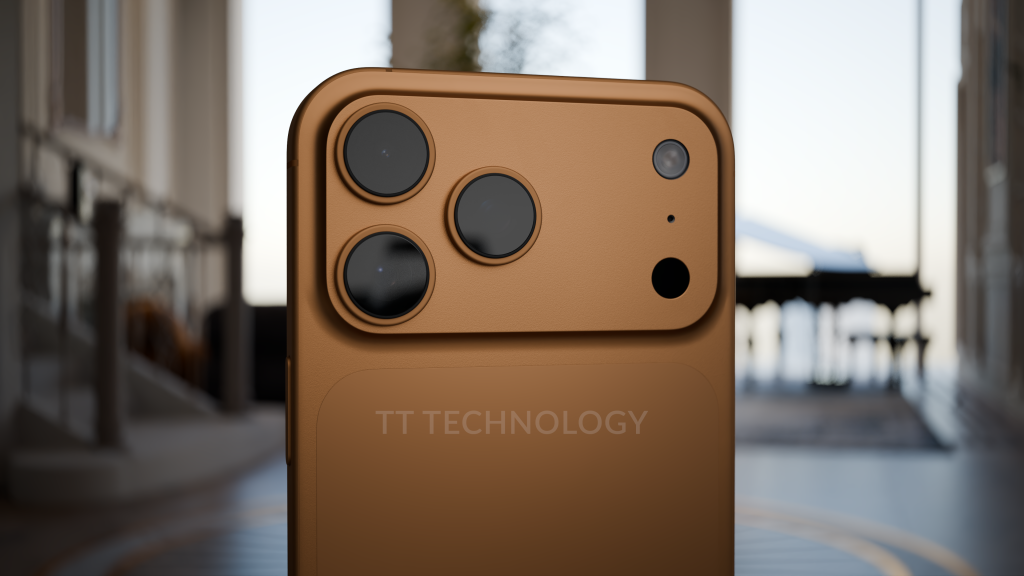
Apple Investigates Advanced Multispectral Imaging Technology
Apple appears to be exploring new frontiers in smartphone photography by considering the integration of multispectral sensors in upcoming iPhone models. According to well-known tipster Digital Chat Station, the tech giant has shown interest in this cutting-edge imaging technology and has already reached out to suppliers, although formal testing has not yet commenced.
What Multispectral Imaging Means for iPhone Cameras
Multispectral imaging captures light across multiple wavelength bands, including those beyond the visible spectrum detectable by the human eye. This contrasts with traditional RGB sensors, which only register red, green, and blue light. By utilising multispectral sensors, future iPhones could potentially capture far more detailed information about the scene, enabling better material differentiation and enhanced depth perception. Such improvements would translate into more accurate portrait shots and could boost overall image processing capabilities, especially in low-light conditions. Additionally, the richer data set may enhance the device’s visual intelligence features, leading to smarter photography and augmented reality experiences.
Context and Related Camera Upgrades in Future iPhones
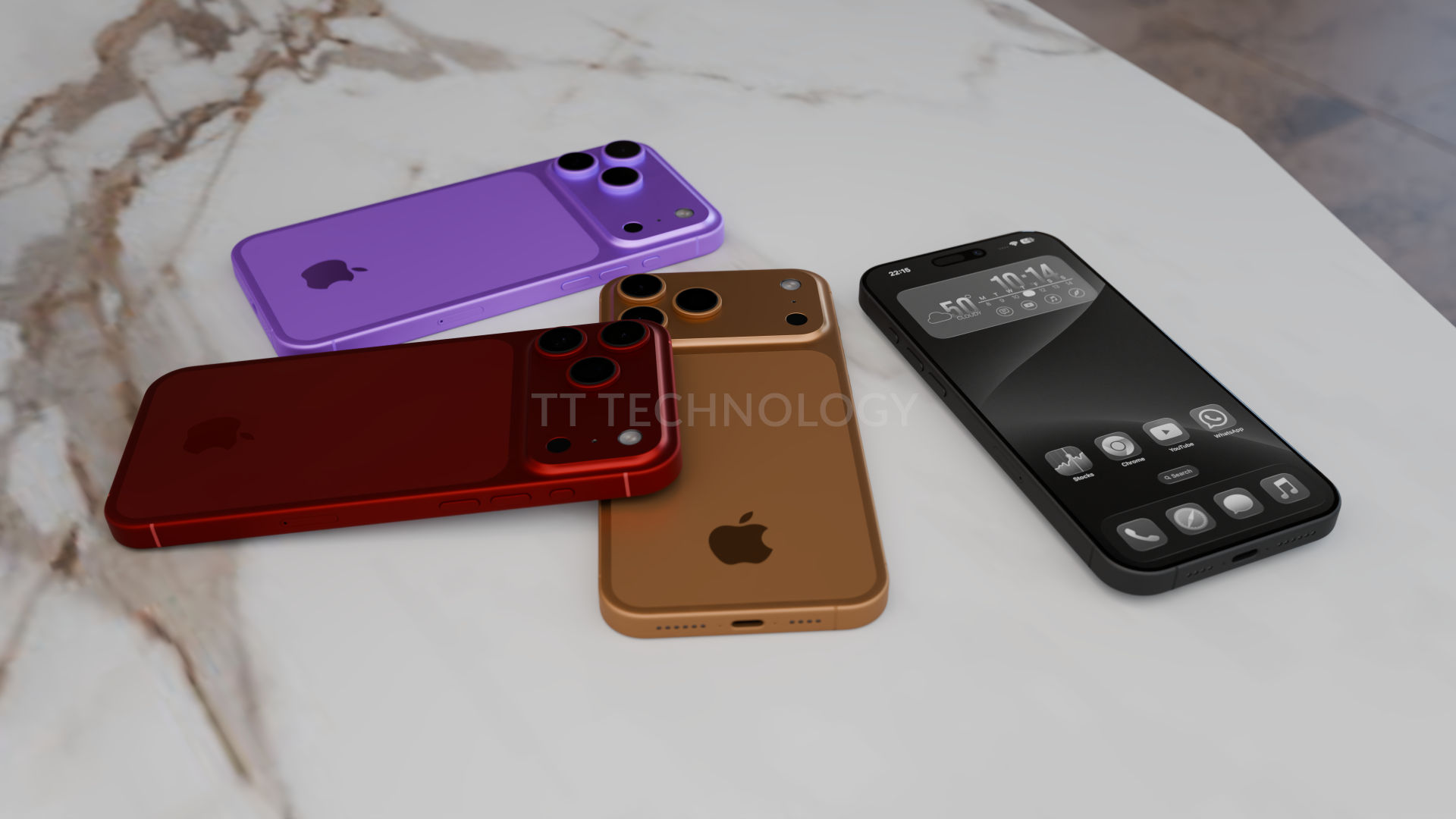
While Digital Chat Station did not specify which iPhone models might receive the multispectral technology, the tipster reaffirmed expectations surrounding the iPhone 18 Pro. This model is anticipated to feature a variable-aperture 48MP main camera alongside a larger 48MP periscope telephoto sensor, marking a significant leap in camera hardware. Furthermore, Apple is reportedly testing a 200MP sensor from Samsung for a future iPhone, signalling the company’s ongoing commitment to pushing the boundaries of mobile photography. These developments suggest Apple is keen to catch up with or surpass rivals, particularly Chinese smartphone makers who have embraced advanced camera tech more aggressively in recent years.
Looking Ahead
Apple’s interest in multispectral sensors indicates a strategic move to enhance imaging capabilities in its flagship devices. As testing progresses and more details emerge, it will be intriguing to see how these technologies are integrated and how they impact the photography experience on future iPhones. Fans and industry watchers should keep an eye out for further leaks and announcements as the launch of the next generation approaches.