Strong Performance from the iPhone 17 Series
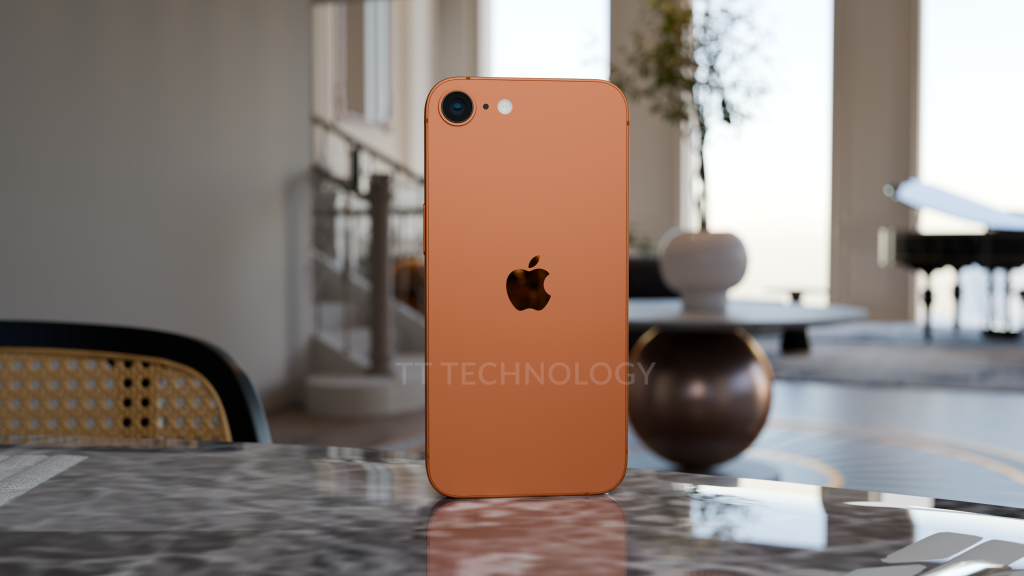
Apple has enjoyed one of its most successful years in recent memory, largely thanks to the iPhone 17 series. This lineup has emerged as one of the best-selling in Apple’s history, helping the company reclaim its position as the world’s leading smartphone vendor, surpassing Samsung for the first time in over a decade. The iPhone 17 models have impressed consumers with a blend of refined design, powerful hardware, and competitive pricing.
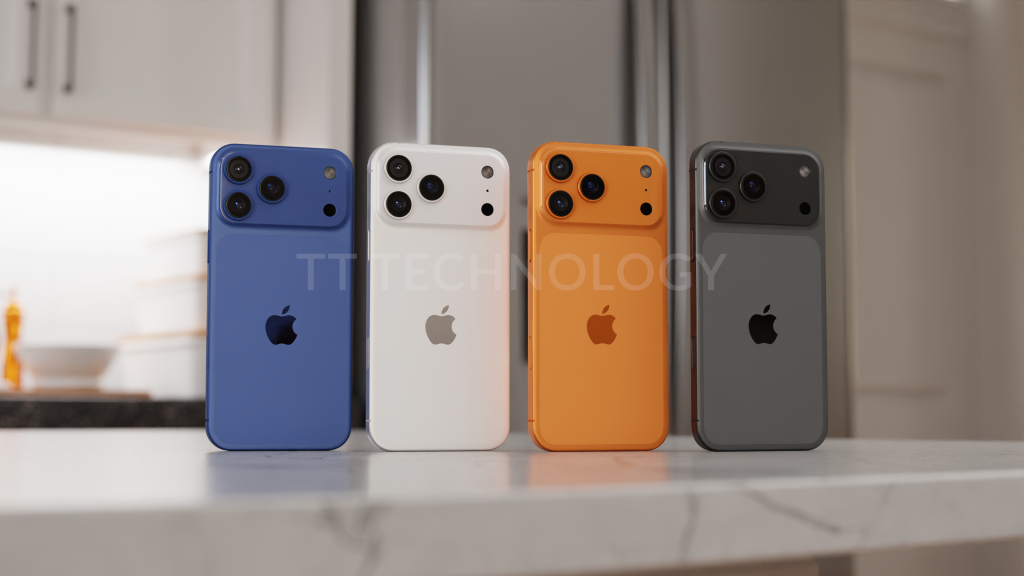
The standard iPhone 17 stands out with its long-awaited ProMotion display, an 18MP multi-aspect selfie camera, and the latest A19 chipset. Notably, Apple has maintained the same starting price as the previous generation while increasing the base storage to 256GB, making it an attractive choice for many users. The Pro and Pro Max variants introduced a bold new design featuring striking orange and dark blue colour options, along with the first-ever dedicated vapor chamber cooling system in an iPhone. These models also boast upgraded 48MP periscope telephoto cameras, larger batteries on eSIM versions, and 12GB of RAM as standard, cementing their position at the high end of the market.
Apple’s Advances in Computing with the M5 Chip
Beyond smartphones, Apple has made significant strides in its ARM chipset technology with the introduction of the M5 chip. This powerful processor is now powering a variety of devices, including iPads, MacBooks, and the updated Vision Pro headset. The 14-inch MacBook Pro equipped with the M5 chip is particularly noteworthy, combining the excellent build quality and Liquid Retina XDR display of its predecessor with substantial performance gains. The M5 delivers a 45% improvement in graphics performance, a Neural Accelerator within each GPU core, a 30% increase in memory bandwidth, and a 15% boost in CPU multithread performance. Impressively, these enhancements come without sacrificing battery life, which remains consistent with the previous generation.
Mixed Results for New Product Launches
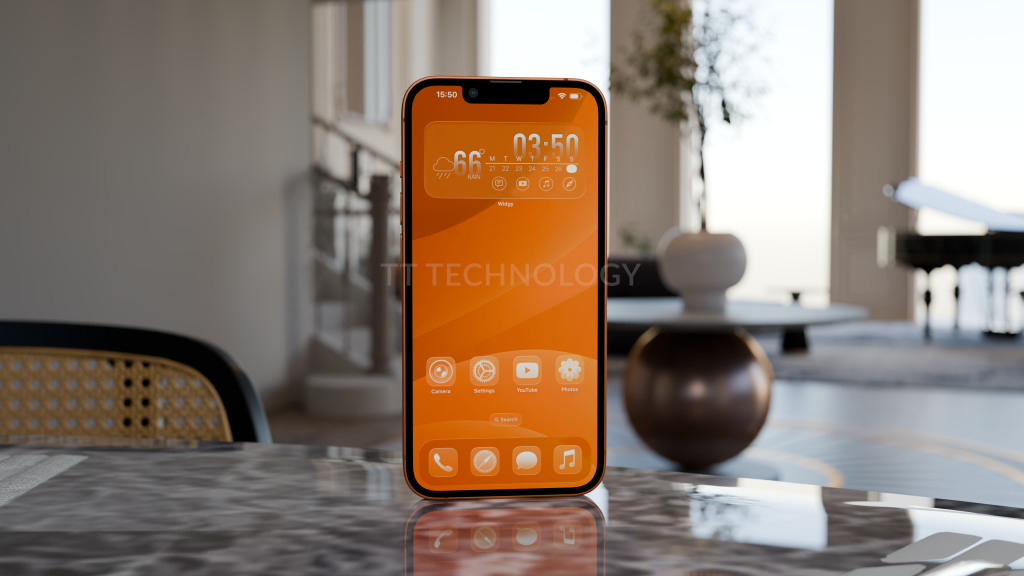
While Apple had many successes in 2025, not all new launches were met with enthusiasm. The iPhone Air, highly anticipated before its release, turned out to be a rare misstep for the company. Despite its impressive engineering, lightweight design, and flagship A19 Pro chipset, the Air struggled due to compromises in camera quality, mono speaker setup, and battery life. Consumers were reluctant to pay flagship prices for a device whose main appeal was its slimness and lightness. Reports suggest that Apple has no immediate plans for a successor, and the device’s resale value has dropped rapidly. The departure of the key designer behind the Air and its poor market performance have even discouraged competitors from pursuing similar ultra-thin smartphones.
Similarly, the iPhone 16e received criticism for its positioning and features. Priced at $599, it offers recycled components from previous iPhones and lacks several modern features, including MagSafe, which has been standard on new iPhones for the past five years. The 16e’s 6.1-inch 60Hz OLED display with an older notch and thicker bezels falls short compared to the Air’s 6.5-inch 120Hz Super Retina XDR OLED screen. Furthermore, the limited colour options and a smaller 48MP camera sensor without sensor-shift optical image stabilisation contributed to its lukewarm reception.
Challenges with Apple’s AI and Siri Upgrades
Apple’s efforts in artificial intelligence and voice assistance continue to face hurdles. The company’s Apple Intelligence platform remains underdeveloped, and the much-anticipated overhaul of Siri has yet to materialise, now more than two years overdue. Rumours indicate that Apple has turned to Google’s Gemini AI models to power the new Siri, signalling a pragmatic approach to improving its assistant by leveraging superior external technology. Despite some AI features reaching consumers in 2025, the overall progress has been slower and less impactful than many had hoped.
AirPods Pro 3: A Clear Win for Apple
On a more positive note, the AirPods Pro 3 have been widely praised as a worthy successor to the already excellent AirPods Pro 2. These earbuds offer best-in-class noise cancellation and transparency modes, along with improved microphone quality and useful health and workout tracking capabilities. Battery life has been extended, and the addition of IP57 ingress protection enhances durability. Apple has also expanded software integration with features like Live Translation, further solidifying the AirPods Pro 3’s position as a top choice in the wireless earbuds market.
Overall, 2025 has been a year of significant achievements for Apple, particularly with the iPhone 17 series and the M5 chip, although some product launches and AI initiatives have fallen short of expectations. As Apple moves forward, it will be interesting to see how it addresses these challenges and continues to innovate across its device portfolio.