Apple Achieves Growth While Competitors Struggle in China
In a market where most smartphone manufacturers faced significant declines, Apple emerged as the only major brand to record a meaningful year-over-year sales increase in China for January 2026. According to data from Counterpoint Research, Apple’s sales in the region grew by 8 percent compared to the same month last year, a notable achievement given the challenging market conditions that saw other key players suffer double-digit percentage drops.
Understanding the Market Dynamics and Subsidy Impact
The overall downturn in smartphone sales across China can be largely attributed to an adverse base effect stemming from a government subsidy programme introduced in January 2025. This initiative offered consumers up to 500 Yuan off smartphones priced at 6,000 Yuan or more, effectively boosting sales figures for that period. Additionally, the earlier timing of the Chinese Lunar New Year in 2025 further inflated sales, making the comparison for January 2026 particularly tough for most brands.
Apple’s unique position in this scenario is partly due to its later entry into the subsidy programme, joining only in June 2025. This delay meant that the company did not benefit from the initial surge in sales in early 2025, allowing it to avoid the severe base effect impacting competitors. However, this also suggests that Apple may face similar challenges when the summer of 2026 arrives and the base effect catches up.
Changing Consumer Trends and Brand Strategies
China is gradually phasing out smartphone subsidies, and this reduction, combined with weakening consumer sentiment, is contributing to a general contraction in the smartphone market. To mitigate these headwinds, brands are increasingly relying on targeted discounts and marketing strategies to maintain sales volumes.
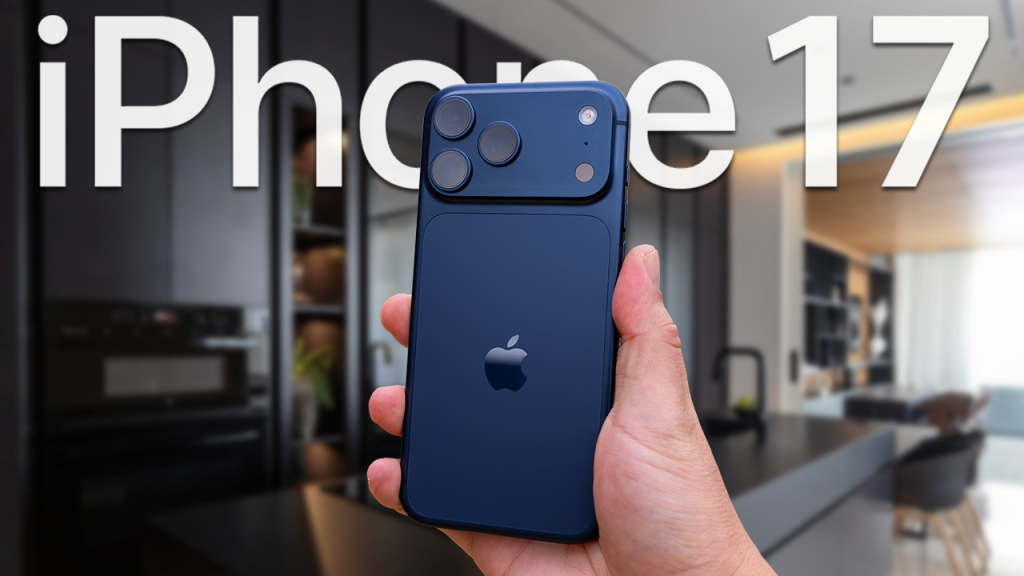
Interestingly, Apple’s iPhone 17 Pro Max has enjoyed particular popularity in China recently, partly due to the introduction of its ‘Cosmic Orange’ colour variant. This shade is associated with the French luxury brand Hermès, enhancing the iPhone’s appeal as a luxury product among Chinese consumers, which may have further supported Apple’s sales growth in the region.
Looking Ahead
While Apple’s growth in January 2026 is a positive sign, the company will need to navigate the upcoming base effect challenges and the evolving subsidy landscape in China. Observers will be keen to see how Apple and other manufacturers adapt their strategies in response to these shifting market dynamics over the coming months.