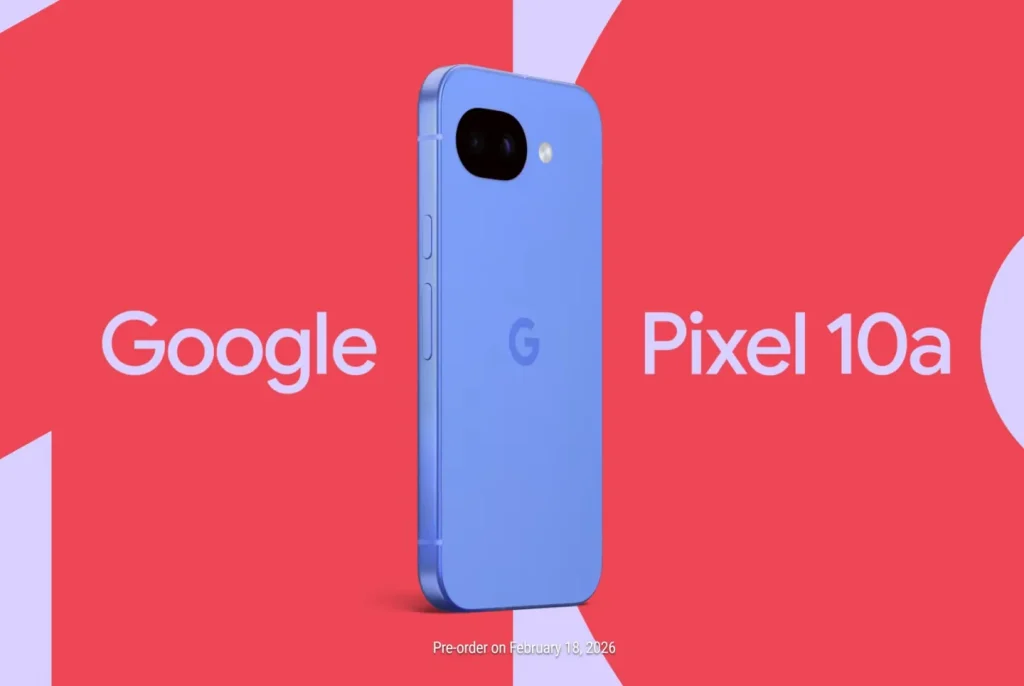
Google Pixel 10a Chooses Tensor G4 Over Newer Chip
In a surprising move, Google has equipped its newly announced Pixel 10a with the older Tensor G4 processor instead of the latest Tensor G5 chip. This decision breaks from the usual industry practice where newer models typically feature the most recent processors. However, there is a clear rationale behind this choice, grounded in cost savings and practical considerations.
Key Specifications and Cost Implications
The Tensor G4 chip accounted for nearly 30% of the Pixel 9a’s bill of materials (BOM), according to an analysis by Tech Insights in mid-2025. While the exact BOM for the Pixel 9a is not publicly disclosed, estimates suggest that the Pixel 9 Pro had a BOM of around $400 and retailed for $999, implying a margin of approximately 40%. Assuming a similar BOM for the Pixel 9a, the Tensor G4 chip’s cost would be roughly $119, although the actual figure is likely lower for the budget model.
Notably, as highlighted by tipster Jason C. on X, much of the Tensor G4’s development costs—including research and development and photomask expenses—have already been amortised by Google through the Pixel 9 series. This means the Pixel 10a mainly incurs marginal costs related to wafer production and packaging, estimated between $4 and $10. Such cost efficiency makes the Tensor G4 a sensible choice for a budget-friendly device.

Background and Context
Traditionally, smartphone manufacturers equip their flagship models with the latest processors while budget devices often receive older or binned versions. Apple, for instance, frequently uses previous-generation chips in its more affordable iPhones. Google appears to be following a similar strategy with the Pixel 10a, opting for a proven chip to maintain cost-effectiveness.
Additionally, the Tensor G5 chip, which powers Google’s flagship Pixel 10 series, has faced some challenges, particularly with throttling and GPU driver issues. Although recent updates have alleviated some of these problems, the Tensor G4 remains a reliable and tested platform, further justifying its use in the Pixel 10a.
What to Expect Next
Google’s decision to use the Tensor G4 in the Pixel 10a highlights a strategic balance between performance, reliability, and cost. As the Pixel 10a reaches consumers, it will be interesting to see how this approach affects user experience and market reception. Observers should watch for further details on pricing and availability, as well as any updates Google may provide regarding the device’s performance in real-world use.
Source: Jason C.