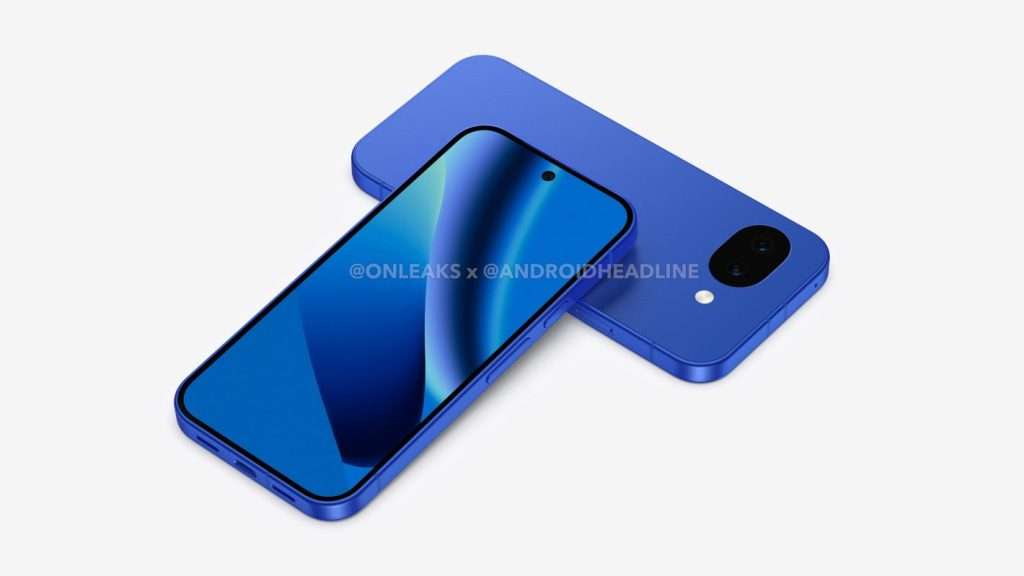
Debate Over Pixel 10a’s Bezels Heats Up
The recent leaks of the Google Pixel 10a have sparked plenty of discussion, particularly about its screen bezels. Many have criticised the phone’s bezels, labelling them as “ugly” or even “a crime” in some social media posts. However, upon closer inspection, it’s worth asking whether the fuss over these bezels is truly justified or simply an overreaction.
Looking at the Pixel 10a’s renders, it’s clear the bezels are larger than those found on more premium models like the Pixel 10 and Pixel 10 Pro. They are also thicker compared to competitors in the same price bracket, such as Samsung’s Galaxy A56 5G. While the bezels are undeniably bigger, the question remains: do they significantly detract from the overall user experience?
Examining the Pixel 10a’s Design and User Experience
Many of the negative reactions on platforms like Twitter and X express strong dislike for the bezels, with comments ranging from anxiety-inducing to downright hostile. Yet, these responses might be more about generating engagement than reflecting genuine user experience. The Pixel 10a’s bezels, while larger, are essentially a black border around the screen and do not interfere with everyday use such as watching videos, browsing social media, or gaming.
Having used the Pixel 9a, which reportedly shares similar bezel dimensions with the Pixel 10a, it’s clear that these borders become less noticeable after a short period of use. Though they may appear unsightly when compared side-by-side with higher-end devices like the Pixel 10 Pro, they do not hamper functionality or enjoyment in practical terms.
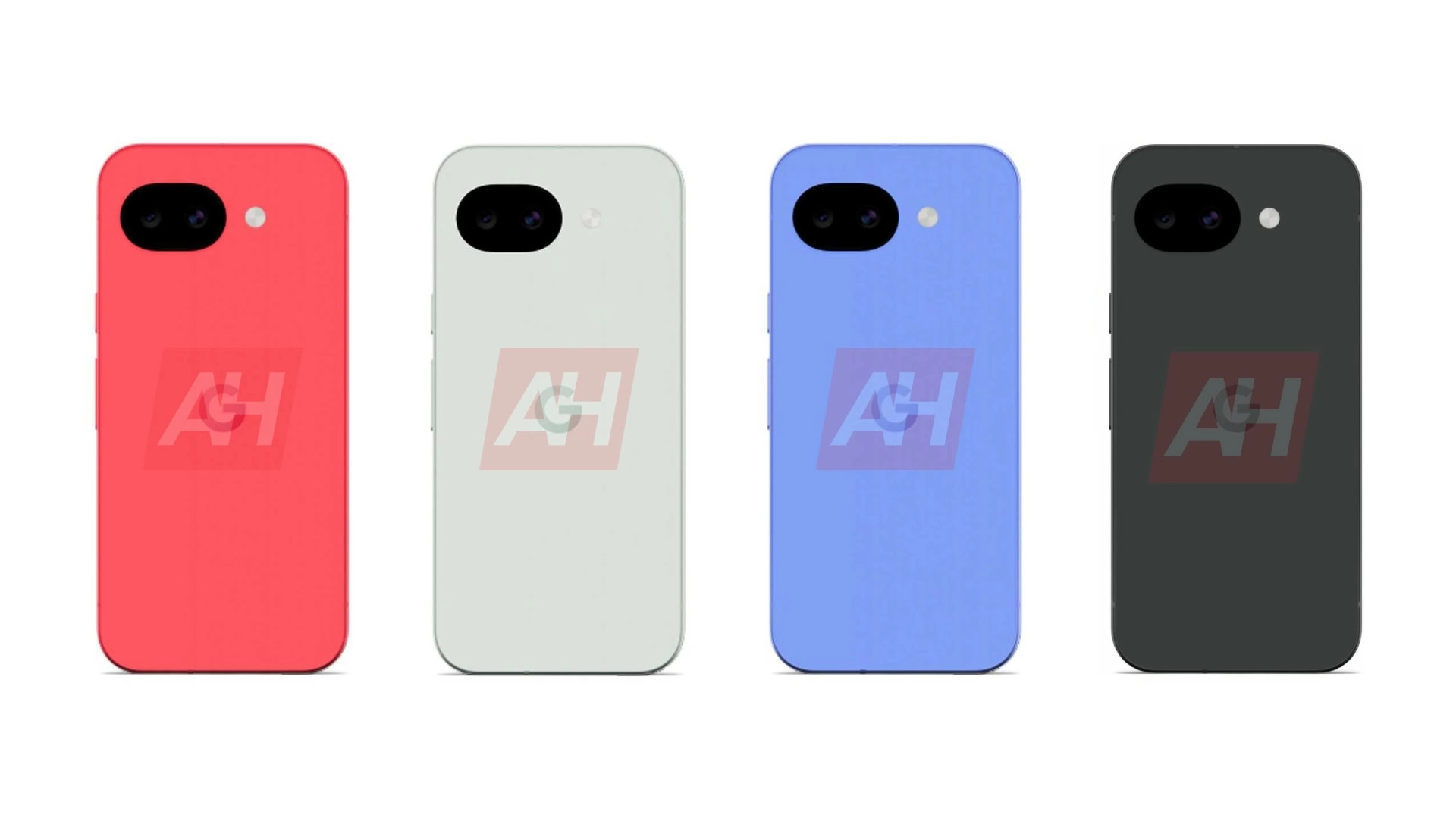
Context and Other Considerations for the Pixel 10a
It’s understandable that some users would prefer slimmer bezels, and Google might consider refining this aspect in future A-Series models. However, focusing solely on bezel size overlooks other important factors. Rumours suggest the Pixel 10a will carry over many specifications from the Pixel 9a, including the display, battery capacity, charging speeds, and camera setup. Additionally, it is expected to use the same Tensor G4 chip found in the 9a.
These elements arguably have a greater impact on the phone’s overall appeal and performance than bezel thickness. Pixel enthusiasts have valid reasons to critique the phone’s hardware and features, but the disproportionate attention on bezels seems misplaced.
What to Expect Moving Forward
While the Pixel 10a’s bezels are a noticeable design choice, they are unlikely to make or break the device for most users. The real story lies in how the phone performs with its existing hardware and how it compares to its predecessor and competitors. As we await the official launch, it will be interesting to see if Google addresses these design concerns or focuses more on improving core features.
Ultimately, the Pixel 10a’s bezels are just one piece of the puzzle, and it’s worth keeping a balanced perspective on what truly matters in a mid-range smartphone.