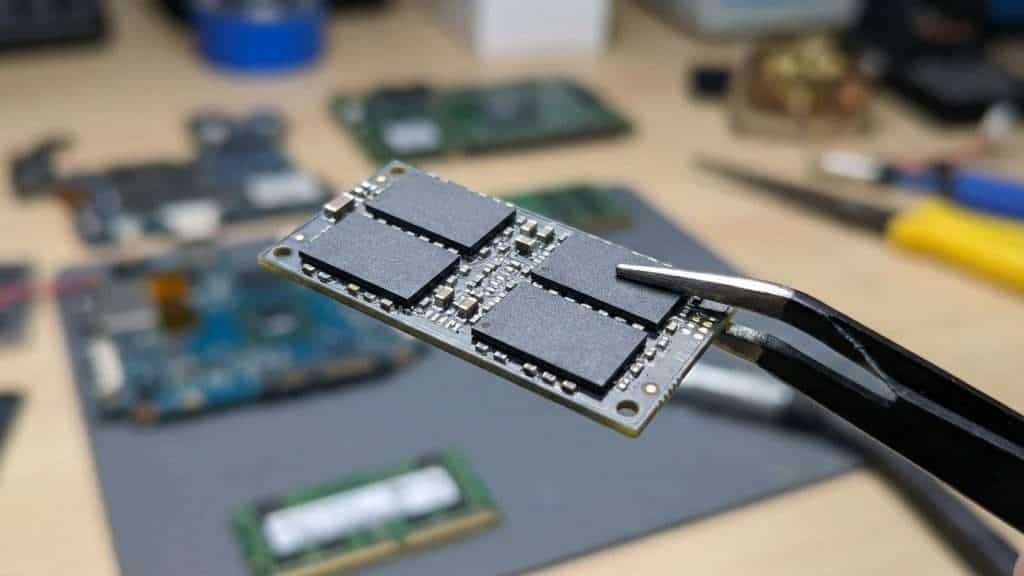
Memory Chip Shortage Drives Up Electronics Costs
Samsung has issued a significant warning regarding the rising costs of electronic devices, including smartphones and laptops. The surge in demand for memory chips, largely fuelled by the rapid expansion of AI data centres, is creating a supply crunch that is pushing prices higher. Speaking at CES 2026 in Las Vegas, Samsung’s global marketing head, Wonjin Lee, confirmed that the shortage is already impacting costs and that the company is considering adjusting product prices to reflect these new economic realities.
Impact on Consumer Electronics
Memory chips such as DRAM and storage components are essential for a wide range of devices, from mobile phones to household appliances. However, the bulk of current production is being snapped up by companies building AI servers, which require vast amounts of high-bandwidth memory. This shift in demand has led Samsung to increase its memory contract prices by as much as 60% late last year, a move echoed by industry analysts who predict that prices will continue to climb throughout 2026.
Broader Industry Effects and Context
Samsung is not alone in facing these challenges. Other major technology firms, including Dell, Lenovo, and Asus, have also indicated that higher memory costs will likely result in price increases for their PCs and related products. The semiconductor supply chain is being reshaped by AI-driven demand, and this redistribution of resources is expected to affect the pricing of consumer devices globally. Experts suggest that the supply shortage may persist until at least 2027, meaning that elevated prices could become the norm for the foreseeable future.

Looking Ahead
As AI continues to drive unprecedented demand for memory chips, consumers should prepare for the possibility that their next phone or laptop may come with a higher price tag. Samsung’s candid remarks at CES highlight the ongoing challenges within the semiconductor industry and the ripple effects felt across the tech market. It will be important to monitor how manufacturers adapt their strategies and whether new supply solutions emerge to alleviate the shortage in the coming years.
Source: Bloomberg