An Emerging Battle in AI Wearables
As artificial intelligence continues to weave itself into the fabric of daily life, tech companies are racing to embed AI into new types of hardware. Among the latest concepts are AI pins—small devices clipped onto clothing designed to provide constant AI assistance. Yet, despite the buzz around these pins, including the much-rumoured Apple AI pin, there is growing scepticism about their practicality. Many experts and enthusiasts argue that Google’s AI glasses offer a more natural and effective way to integrate AI into everyday use.
Why Smart Glasses Make More Sense
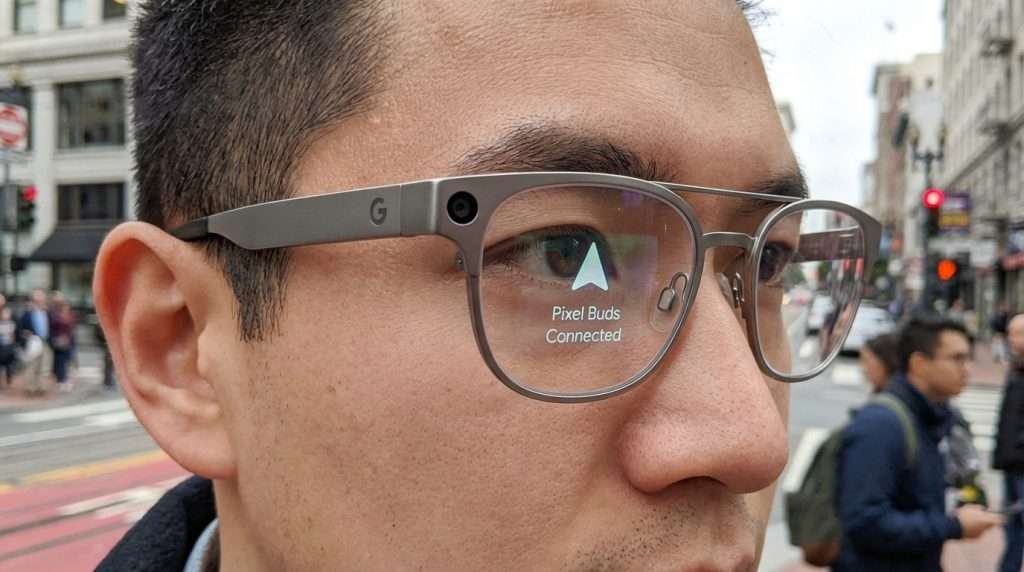
The AI pin concept faces significant limitations. Without a screen, it relies solely on ambient audio and voice input and output, which can be restrictive in many environments. In contrast, smart glasses equipped with augmented reality (AR) displays provide a richer, multimodal interaction experience. For example, users can receive navigation directions directly in their field of view, eliminating the need to constantly check a phone. Additionally, smart glasses can discreetly capture photos and pair with smartwatches to enable hand gestures or tactile inputs, offering flexibility when voice commands aren’t practical.
This multimodal approach aligns well with how people naturally interact with technology. Rather than forcing users to adapt to a new, single-mode device like an AI pin, smart glasses extend familiar behaviours and reduce friction. This concept echoes principles from Donald Norman’s “The Design of Everyday Things,” which emphasises that successful products fit seamlessly into users’ existing mental models rather than demanding entirely new habits.
Google’s Advantage in AI and Visual Understanding
Google’s extensive ecosystem gives it a notable edge in developing AI glasses. Its vast data collection, often criticised, actually contributes to a deep understanding of the physical world through services like Street View, which covers cities globally with up-to-date imagery. Google Lens enhances this by enabling users to visually analyse objects in real time, while the Google Assistant and the Gemini AI model have years of experience handling voice queries.
Combining these capabilities means Google arguably has a more comprehensive grasp of users’ environments than any other company. This foundation supports a more context-aware and useful AI experience in smart glasses. Moreover, Google’s established Android gestures and behaviours, familiar to millions, can be naturally extended to glasses, making the transition smoother for users.
The Challenges Facing AI Pins
Despite the novelty of AI pins like Humane’s, early adoption has been limited. Wearable devices already face high abandonment rates, and adding a cyborg-like accessory clipped to clothing may be a hard sell for mainstream consumers. The lack of visual feedback and reliance on voice alone restricts their usefulness, especially in noisy or crowded settings. Furthermore, existing devices such as smartphones, smartwatches, and earbuds already offer many AI features, diminishing the need for a dedicated pin.
While AI pins might serve as statement pieces or niche gadgets, their potential to become everyday essentials is questionable. In contrast, smart glasses are gradually becoming more accepted as their designs become less obtrusive and more fashionable, signalling a more promising future for AI integration.
Looking Ahead: The Future of AI Wearables
It’s unlikely that smartphones will be replaced anytime soon by AI pins or any single new device. Instead, the evolution of AI hardware is expected to be gradual, enhancing existing form factors like phones, watches, and glasses. AI’s hardware-agnostic nature allows it to improve devices we already use and trust. Google’s approach with Gemini running on older hardware exemplifies this trend.
If Apple aims to make a significant impact in AI wearables, focusing on AR glasses rather than pins could be a more strategic move, aligning with its fashion-forward reputation and user habits. Ultimately, the success of AI devices will depend on how naturally they fit into daily life and how well they extend familiar interactions rather than demanding radical behavioural changes.
As the AI wearables landscape develops, it will be fascinating to see whether Google’s glasses or Apple’s AI pin—or perhaps another form factor entirely—will capture the mainstream imagination and become the go-to AI companion.